Quick Overview:
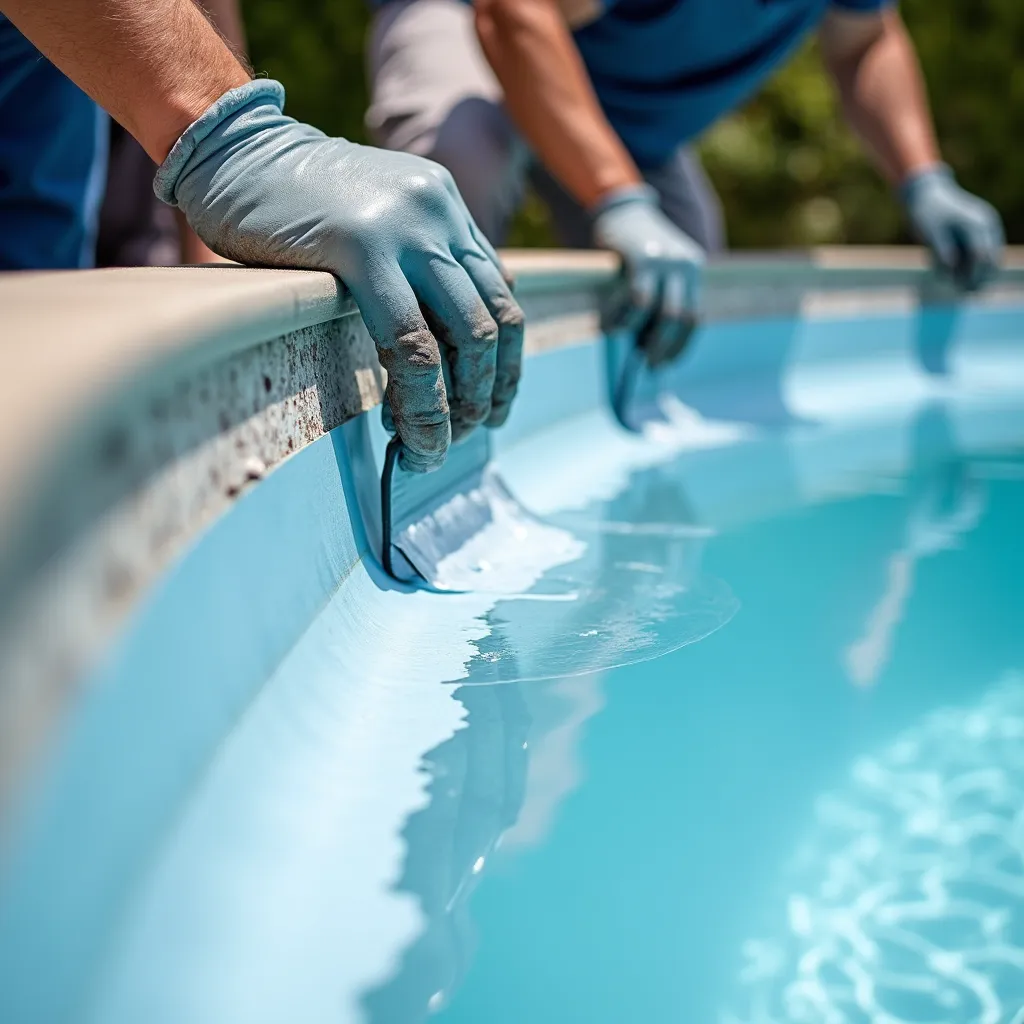
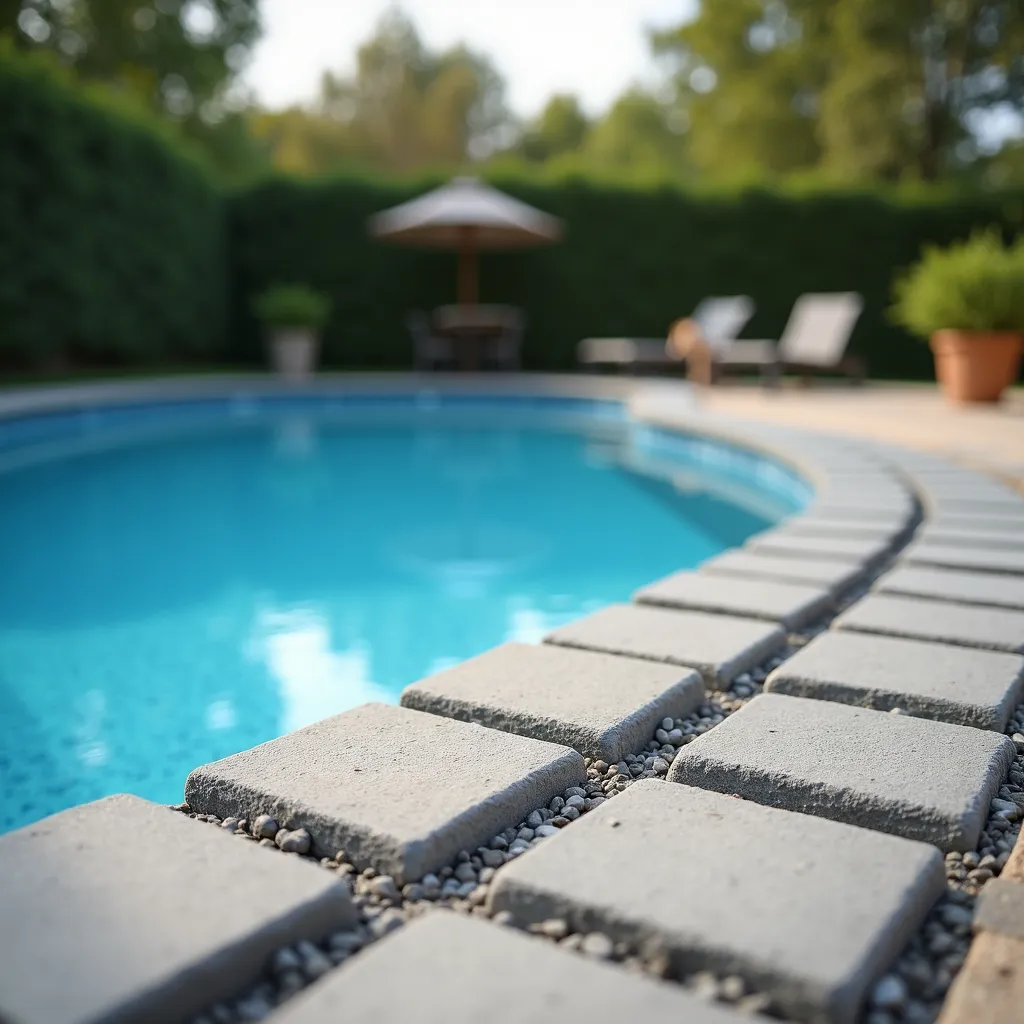
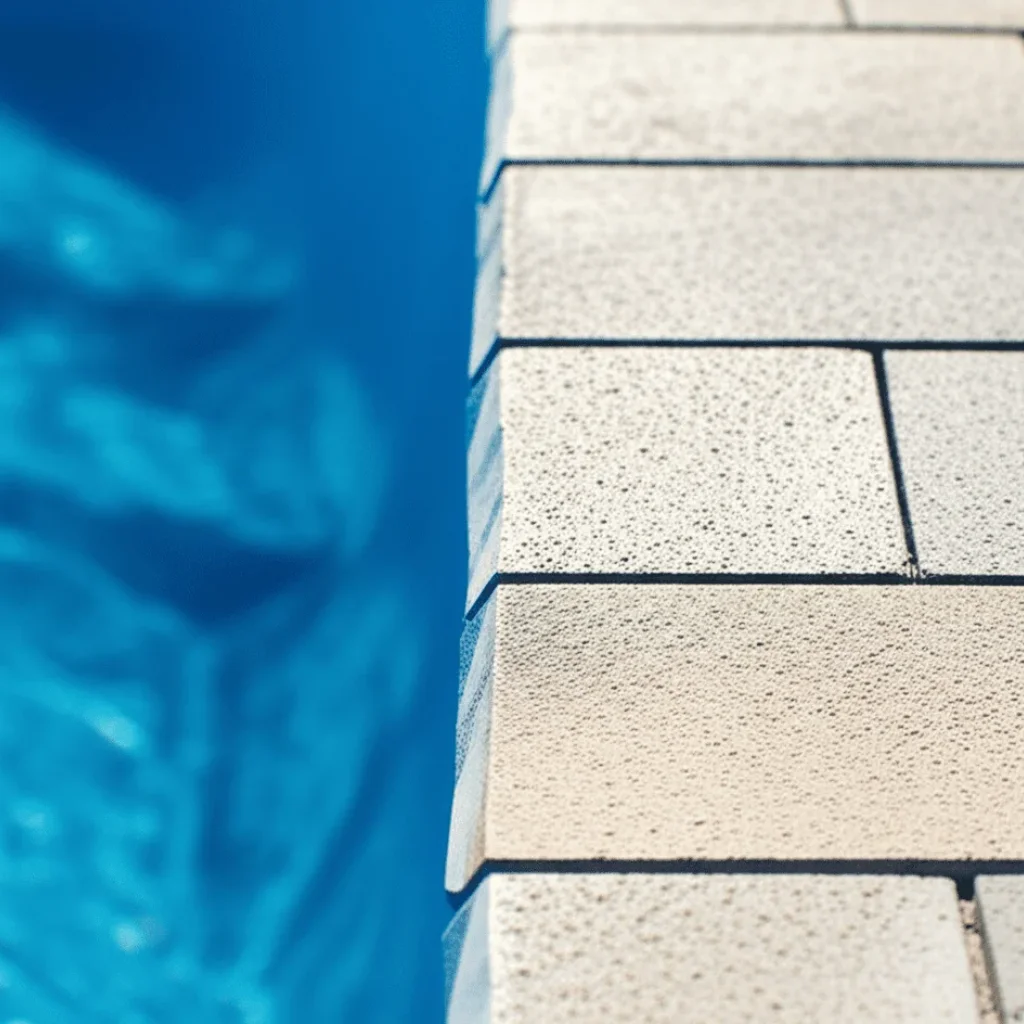
Pool coping repair addresses the cap material that sits on top of the pool shell wall, forming the finished edge around the entire pool perimeter. Coping covers the structural joint between the pool shell and the surrounding deck or paving, directs splash water away from the pool rather than behind the shell, provides a safe, smooth edge for swimmers to hold and climb out on, and defines the visual frame of the pool. When coping cracks, loosens, or separates, it compromises all four of these functions. Water enters behind the pool shell through the exposed joint, causing structural damage, soil erosion, and undermining the surrounding paving. Loose coping stones create a trip and cut hazard around the pool edge. At Advance Pool Painting, pool coping repair and replacement is a core service because coping damage is one of the most common issues on pools over 15 years old across Sydney. The repair approach depends on the material, the extent of the damage, and whether the underlying pool shell and beam are still structurally sound.
What Pool Coping Does
Most pool owners think of coping as decoration. It is structural.
Waterproofing the bond beam joint. The bond beam is the reinforced concrete beam that runs around the top of the pool shell. The coping sits on top of it and covers the joint between the pool shell and the pool surround. This joint is the most vulnerable point on the pool because it is where the pool structure meets the ground structure. If water enters this joint (through cracked coping, missing mortar, or separated coping stones), it can erode the soil behind the pool wall, undermine the paving, corrode the steel reinforcement in the bond beam, and in severe cases compromise the structural integrity of the pool shell itself.
Directing water away from the pool. Coping is installed with a slight overhang and a fall (slope) away from the pool. Splash water and rain hitting the coping are directed outward toward the deck drain rather than inward behind the pool shell. When coping settles, cracks, or loses its overhang, water flows inward instead.
Safety edge. The coping provides a smooth, rounded, or bullnosed edge that swimmers grip when treading water at the wall, hold when climbing out, and walk past barefoot. Cracked, sharp, or loose coping is a cut and trip hazard.
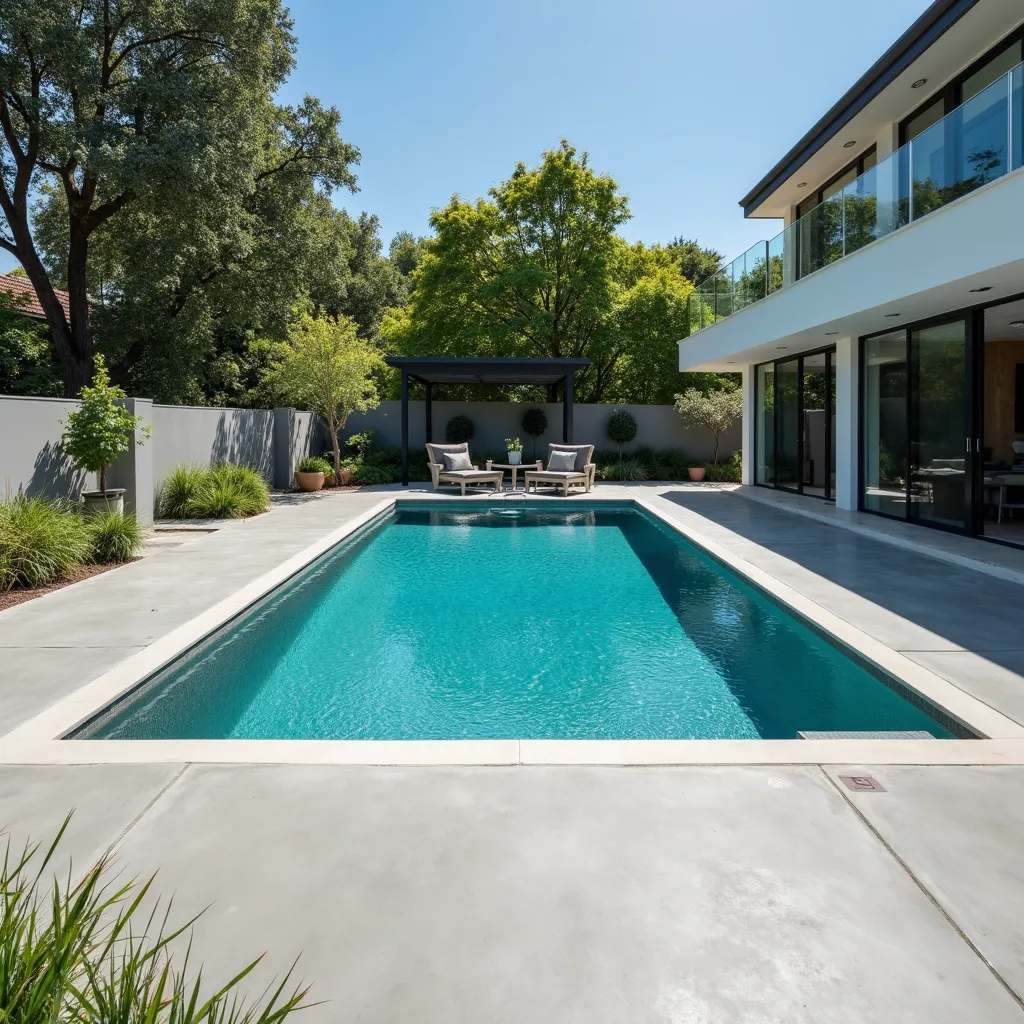
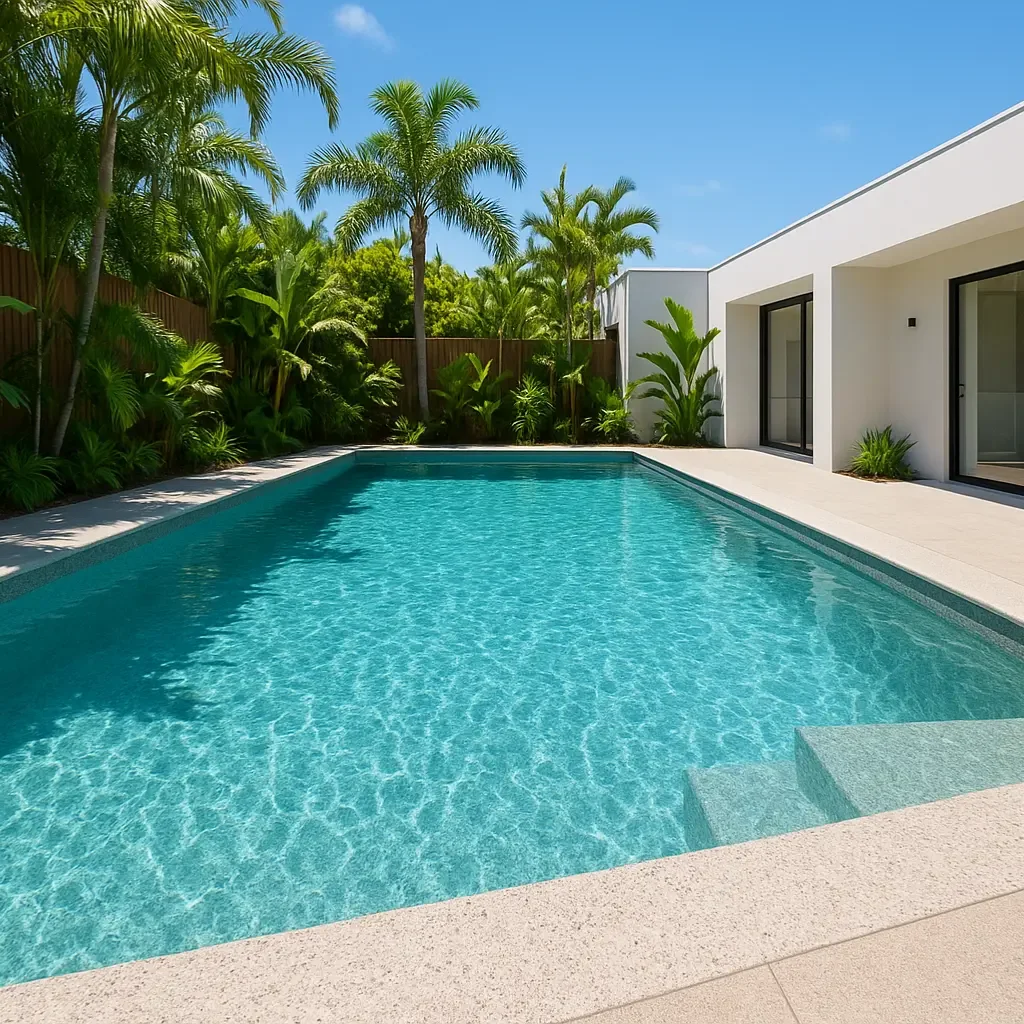
Visual finish. Coping defines the visual frame of the pool. It is the first thing you see when you look at the pool from the deck. Damaged, mismatched, or deteriorated coping makes the entire pool area look neglected even if the pool surface and water are in perfect condition.
What Causes Pool Coping to Fail
| Cause | What Happens | How Common |
|---|---|---|
| Ground movement and settlement | The soil around the pool shifts, the deck settles unevenly, and the coping is pulled or pushed out of alignment. Coping stones separate, mortar joints crack, and gaps open between the coping and the pool shell. | Very common. Sydney’s reactive clay soils expand and contract with moisture changes, and this movement is one of the primary causes of coping failure. |
| Thermal expansion and contraction | Coping materials expand in heat and contract in cold. Over thousands of thermal cycles, the expansion and contraction breaks the mortar bond between the coping and the bond beam, and between individual coping stones. | Very common. Sydney’s hot summers and cool winters create significant thermal cycling on pool coping that is fully exposed to direct sun. |
| Salt and chemical attack | Pool water (particularly salt chlorinated pools) splashes onto the coping and soaks into the mortar joints and the coping material itself. Salt crystallisation inside the material creates internal pressure that cracks the stone or concrete from within. Chemical attack from unbalanced pool water (low pH, high chlorine) accelerates this process. | Common, especially on saltwater pools and pools with aggressive water chemistry. |
| Tree root pressure | Tree roots growing beneath the paving and the pool edge exert upward and lateral pressure on the coping, lifting and displacing individual stones. | Common in established backyards with mature trees near the pool. |
| Poor original installation | Coping installed with insufficient adhesive, incorrect mortar mix, no expansion joints, or without proper preparation of the bond beam surface fails prematurely regardless of the material quality. | Moderately common. Installation shortcuts are a leading cause of early coping failure. |
| Age and weathering | All coping materials deteriorate over time from UV exposure, rain, frost (in elevated areas), and general wear. Natural stone erodes. Concrete spalls. Brick efflorescence develops. Mortar softens and crumbles. | Universal on pools over 15 to 20 years old. |
| Impact damage | Heavy objects dropped on coping (furniture, equipment, tree branches) crack or chip individual stones. | Occasional. Usually localised damage rather than widespread failure. |
When to Repair vs When to Replace
| Coping Condition | Action | Why |
|---|---|---|
| A few cracked or chipped coping stones, rest in good condition | Repair: replace the damaged individual stones, repoint the mortar joints around them | Localised damage. The coping system is still functional. Individual stone replacement is straightforward if matching material is available. |
| Mortar joints crumbling or missing between otherwise sound coping stones | Repair: rake out the old mortar and repoint all joints with flexible, pool-grade mortar or adhesive | The stones are fine but the mortar has failed. Repointing restores the waterproof seal without replacing the coping. |
| Several coping stones loose or shifted but not cracked | Repair: lift the loose stones, clean and prepare the bond beam surface, re-bed with flexible adhesive, and repoint | Movement has broken the bond but the stones are reusable. Re-bedding restores them to their correct position. |
| Widespread cracking, spalling, or salt damage across most of the coping | Replace | The coping material has reached the end of its service life. Patching individual stones when the majority are failing is not cost-effective and the result looks inconsistent. |
| Coping has separated from the bond beam with a visible gap | Repair if localised (re-bed and seal the gap). Replace if widespread. Inspect the bond beam for water damage before re-installing. | The gap has been allowing water behind the pool shell. The bond beam must be checked for damage before any coping is reinstalled. |
| Coping replacement as part of a full pool renovation | Replace all coping during the renovation | If the pool is being resurfaced, retiled, or fully renovated, replacing the coping at the same time is the most cost-effective approach. Everything is done in one project. |
| Existing coping style is outdated and the homeowner wants a new look | Replace with a new material and profile | A coping upgrade transforms the visual appearance of the pool. Common choices include upgrading from old brick or concrete coping to natural stone or porcelain. |
Pool Coping Materials
The material you choose for new or replacement coping affects the appearance, durability, maintenance, and cost.
| Material | Appearance | Durability in Pool Environment | Maintenance | Best For |
|---|---|---|---|---|
| Natural stone (bluestone, sandstone, granite, limestone, travertine) | Premium, textured, natural variation in colour and pattern. Each stone is unique. | Excellent for dense stones (bluestone, granite). Softer stones (sandstone, limestone, travertine) are more porous and susceptible to salt damage and staining if not sealed. | Seal every 2 to 3 years (especially porous stones). Clean with pH-neutral cleaner. | Homeowners who want a premium, natural look. Bluestone and granite for durability. Travertine and sandstone for a softer, Mediterranean aesthetic. |
| Porcelain pavers | Clean, modern, consistent colour and finish. Available in stone-look, concrete-look, and contemporary finishes. | Excellent. Non-porous, so highly resistant to salt, chemicals, staining, and moisture absorption. | Very low. Virtually no sealing required. Clean with water. | Modern pool renovations. Low-maintenance properties. Salt chlorinated pools (porcelain handles salt better than natural stone). |
| Concrete (poured or precast) | Versatile. Can be coloured, stamped, or textured to mimic stone. Uniform finish. | Good. Susceptible to surface spalling and cracking over time, especially if not sealed. | Seal every 3 to 5 years. Repair spalling or surface damage promptly. | Budget-friendly option. Properties where the concrete pool surround and coping are done as one continuous pour. |
| Brick | Traditional. Common on older Sydney pools. Limited colour range. | Moderate. Porous. Susceptible to salt attack, efflorescence, and mortar deterioration. | Repoint mortar joints as they deteriorate. Seal to reduce salt absorption. | Matching existing brickwork on older homes. Heritage properties where brick is appropriate. |
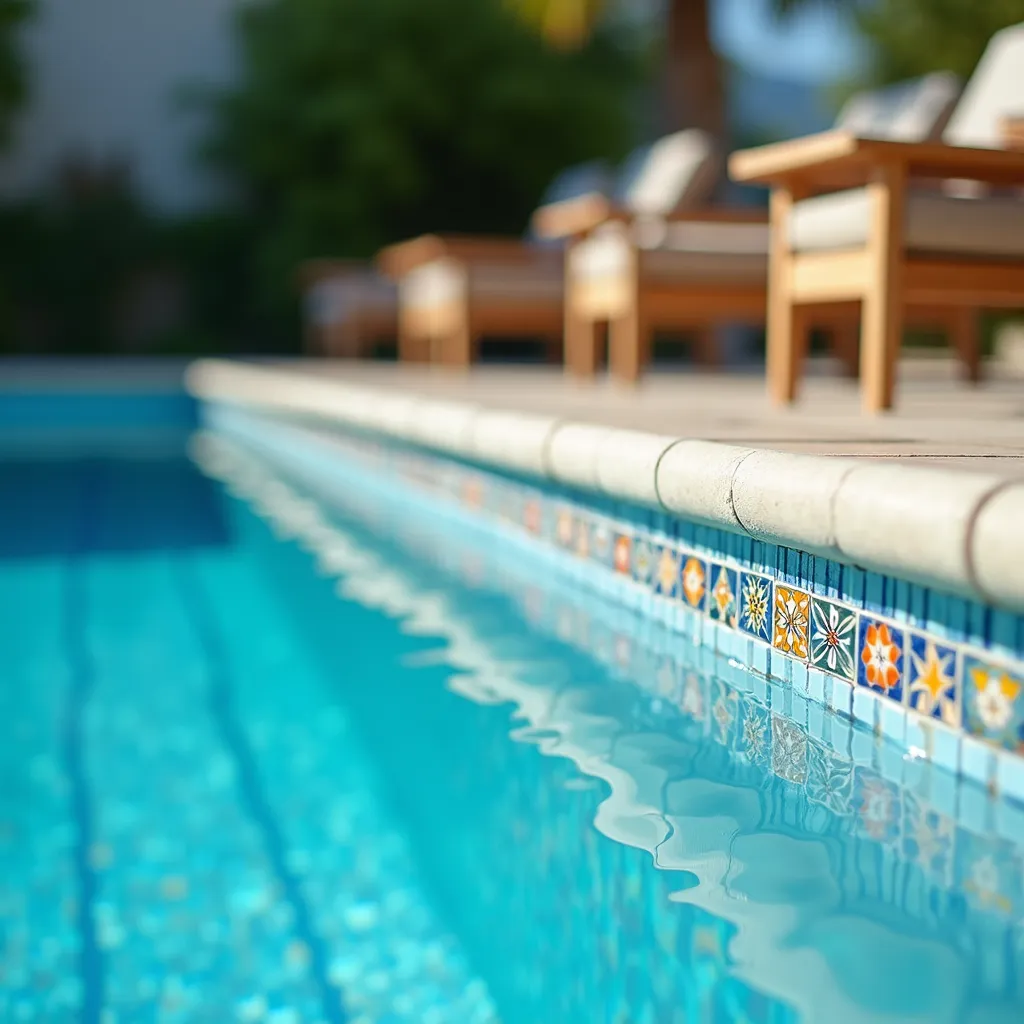
| Tiles (ceramic or porcelain) | Clean, precise edges. Wide range of colours and finishes. | Good to excellent depending on the tile type. Porcelain tiles are superior to ceramic in a pool environment. | Low. Clean with appropriate pool tile cleaner. | Properties where the coping matches the pool tiling or waterline tiles for a seamless look. |
The Repair Process Step by Step
For a full coping replacement (the most common scope on pools over 15 years old), the process follows these stages.
Step 1: Drain the pool. The pool is drained to expose the full bond beam and the underside of the coping. This allows the entire perimeter to be inspected and worked on. For what draining involves, read the pool drain and clean guide.
Step 2: Remove the old coping. The existing coping stones, tiles, or concrete are removed from the bond beam. Old adhesive, mortar, and render are cleaned off to expose the raw bond beam surface.
Step 3: Inspect the bond beam. This is the most important step. The bond beam is inspected for cracking, spalling, reinforcement corrosion, and water damage. If the old coping has been leaking for years, the bond beam may have sustained damage that needs repair before new coping is installed. Cracked concrete is repaired, corroded reinforcement is treated, and the beam is rendered or prepared to provide a clean, level surface for the new coping.
Step 4: Install expansion joints. Expansion joints are placed at regular intervals around the pool perimeter (typically every 3 to 4 metres and at every corner). These joints allow the coping to expand and contract with temperature changes without cracking the mortar bonds. Missing expansion joints are one of the most common reasons coping fails prematurely.
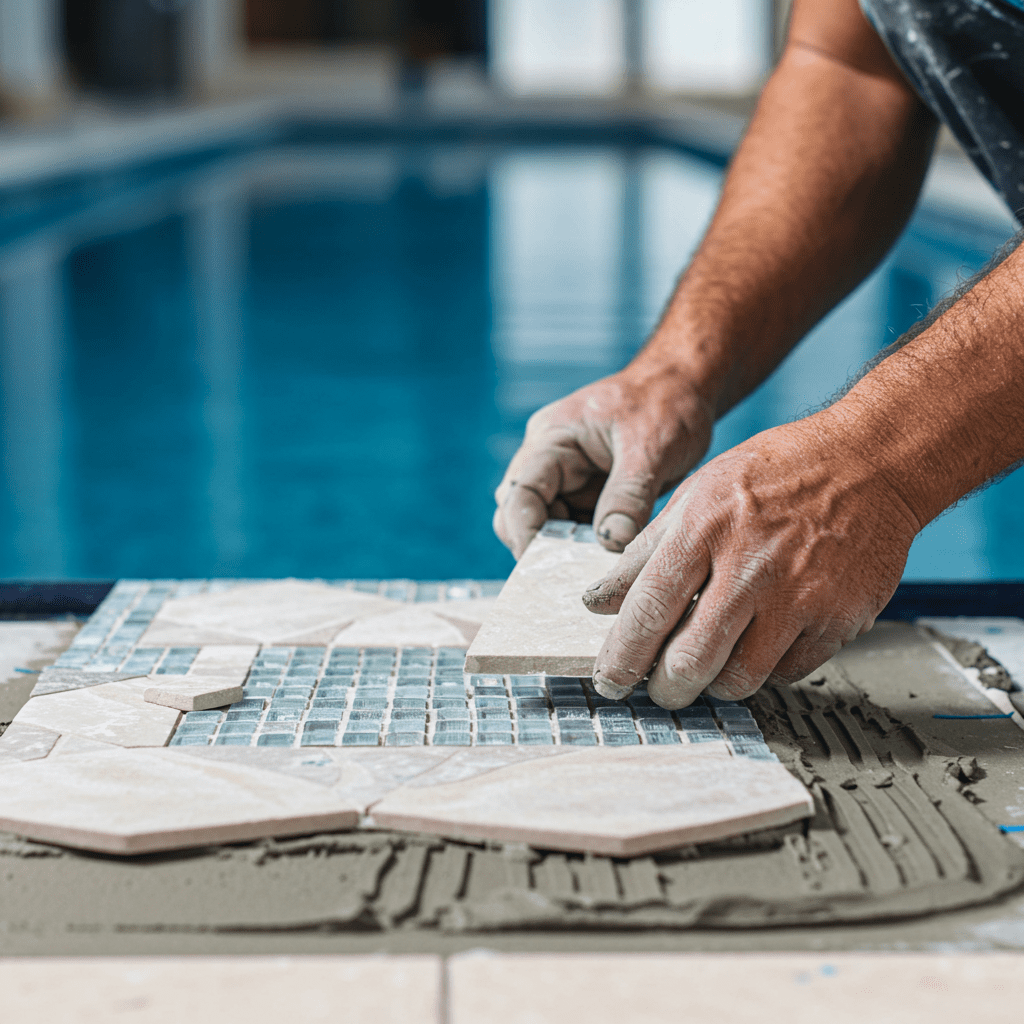
Step 5: Bed the new coping. The new coping material is laid on a bed of flexible adhesive or mortar on top of the prepared bond beam. Each piece is levelled and aligned to maintain a consistent overhang (typically 25 to 30mm over the pool edge), a consistent fall (slope) away from the pool, and uniform joints between stones.
Step 6: Point the joints. The joints between coping stones are filled with a flexible, pool-grade pointing compound. Flexible compound is essential because rigid cement mortar cracks with thermal movement. The pointing must be continuous and complete to prevent water entering the bond beam joint.
Step 7: Seal (if applicable). Natural stone and concrete coping is sealed with a penetrating sealer to reduce moisture and salt absorption. Porcelain coping does not require sealing due to its non-porous nature.
Step 8: Refill and commission. The pool is refilled and the water chemistry is balanced. For the first 28 days after a renovation, the pool resurfacing maintenance guide covers the critical startup period.
Pool Coping and Your Overall Pool Renovation
Coping repair or replacement is rarely done in isolation. When the coping has failed, the pool is typically also showing other age-related issues: the interior surface is deteriorating, the waterline tiles are failing, the surrounding paving is cracked, or the pool needs resurfacing.
The most cost-effective approach is combining coping replacement with any other pool renovation work needed, because the pool is already drained, the crew is on site, and the bond beam is already exposed and accessible.
A typical combined renovation scope includes:
- Pool coping replacement
- Waterline tile replacement
- Interior resurfacing (pebblecrete, pool painting, or fibreglass)
- Pool surround paving repair or replacement
- Equipment check and upgrade
For renovation ideas and full scope planning, read the dedicated guide. For understanding pool surface options to combine with your coping upgrade, read the surface comparison guide. For an initial assessment, a pool inspection covers the coping, shell, surface, tiling, and equipment in one visit.
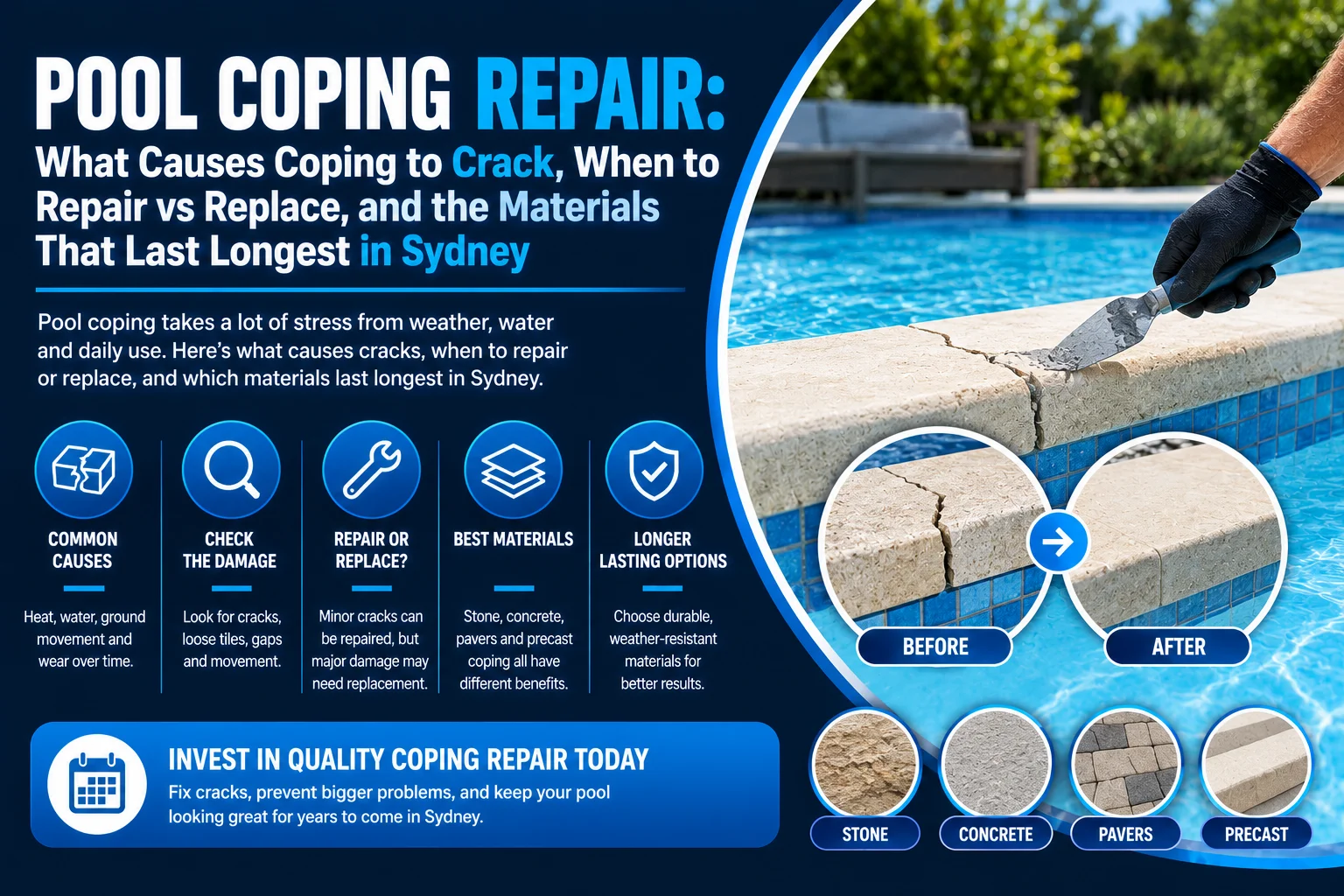
Pool Coping Repair: What You Need to Know
What coping does, why it fails, the best materials for Sydney pools, and the repair process step by step.
What Pool Coping Does
Waterproofs the Bond Beam
Covers the joint between pool shell and deck. Prevents water entering behind the pool wall and eroding soil or corroding steel.
Directs Water Away
Overhang and slope direct splash water outward toward the deck drain rather than behind the pool shell.
Safety Edge
Smooth, rounded edge for gripping, climbing out, and walking past barefoot. Cracked or loose coping is a cut and trip hazard.
Visual Frame
Defines the look of the pool. Damaged coping makes the entire pool area look neglected even if the water and surface are perfect.
Why Coping Fails
Ground Movement
Sydney's reactive clay soils shift with moisture changes. Coping separates, mortar cracks, gaps open between coping and pool shell.
#1 CAUSE IN SYDNEY
Thermal Cycling
Coping expands in summer heat, contracts in winter. Over thousands of cycles, mortar bonds break and joints open.
Salt and Chemical Attack
Pool water soaks into mortar and stone. Salt crystallisation creates internal pressure that cracks materials from within. Worse on saltwater pools.
Tree Root Pressure
Roots beneath paving lift and displace individual coping stones. Common in established Sydney backyards with mature trees.
Poor Installation
Insufficient adhesive, wrong mortar, no expansion joints, or poor bond beam prep. Leads to premature failure regardless of material quality.
Age and Weathering
All materials deteriorate over time. Stone erodes. Concrete spalls. Brick develops efflorescence. Mortar crumbles. Universal on pools over 15 to 20 years.
Coping Material Comparison
Natural Stone
Premium look. Bluestone and granite are highly durable. Sandstone and travertine need sealing every 2 to 3 years. Natural variation in colour.
PREMIUM OPTION
Porcelain Pavers
Non-porous. Highly resistant to salt, chemicals, and staining. Virtually no sealing needed. Modern, clean look. Best for saltwater pools.
BEST FOR SALT POOLS
Concrete or Brick
Budget-friendly. Concrete can be stamped or coloured. Brick suits heritage properties. Both are more porous and need more maintenance than stone or porcelain.
BUDGET OPTION
The Replacement Process
Drain Pool
Full drain to expose the bond beam and underside of coping around the entire perimeter.
Remove Old Coping
Existing coping, adhesive, mortar, and render removed. Bond beam surface cleaned and prepared.
Inspect Bond Beam
Check for cracking, spalling, and reinforcement corrosion. Repair any damage before installing new coping.
CRITICAL STEP
Install Expansion Joints
Placed every 3 to 4 metres and at corners. Allows thermal movement without cracking mortar bonds.
Bed New Coping
New coping laid on flexible adhesive. Levelled with consistent overhang (25 to 30mm) and fall away from the pool.
Point Joints
Flexible pool-grade compound. Not rigid cement mortar. Must be continuous and complete to prevent water entry.
Seal
Penetrating sealer on natural stone and concrete. Not required on porcelain (non-porous).
Refill and Balance
Pool refilled. Water chemistry balanced. Follow the 28-day startup protocol for newly renovated pools.
💡 The Key Takeaway
Pool coping is not decoration. It waterproofs the most vulnerable joint on your pool, directs water away from the structure, and provides a safe edge for swimmers. Damaged coping allows water behind the pool shell, which causes structural damage that is far more expensive to fix than the coping itself. Repair or replace coping as soon as it cracks, loosens, or separates, and combine it with any other pool renovation work for the most cost-effective result.
advancepoolpainting.com | Advance Pool Painting | Sydney's Pool Renovation Specialists Since 1993
Get Started Today
Request your free, detailed quote now. We’ll inspect your pool, discuss tile options, explain the complete process, and provide transparent pricing with no hidden costs.
Call us or contact our team to schedule your consultation. We serve all Sydney areas including Western Sydney, The Hills, Northern Sydney, Eastern Sydney, and Southern Sydney.
Visit our gallery to see completed retiling projects and the transformations we’ve delivered for Sydney homeowners.
Additional Pool Renovation Resources
Explore more ways to enhance your swimming pool:
- Discover comprehensive swimming pool renovation options beyond retiling
- Learn about pool tiling services for new construction and extensions
- Explore pebblecrete resurfacing as an alternative interior finish
- Consider fibreglass pool resurfacing if you have a fibreglass pool
View all our services and areas we service across Sydney.
Contact Us for a Free Consultation
Servicing all areas including Western Sydney, Northern Sydney, Eastern Sydney, and Southern Sydney.
Want to learn more about pool maintenance and upgrades? Explore our complete range of services or read our latest pool care articles.
About Advance Pool Painting: As Sydney’s trusted pool renovations, Painting repair and maintenance service provider, we help homeowners maximize their pool investment through expert renovations, heating solutions, and comprehensive maintenance services across all Sydney regions.
Frequently Asked Questions
Q1. What is pool coping?
Q2. How do I know if my pool coping needs repair?
Q3. Can individual coping stones be replaced without replacing them all?
Q4. What is the best pool coping material for Sydney?
Q5. Should I replace my pool coping during a pool renovation?
Get the Quick Visual Guide
Explore Our Other Swimming Pool Services Services
Posted on Google SZTrustindex verifies that the original source of the review is Google. Ray did a wonderful job with repainting our pool. We are thrilled with the result. I would not hesitate to recommend his services to anyone.Posted on Google KevinTrustindex verifies that the original source of the review is Google. Ray did a great job at our pool. Easy to deal with, quality-focused and putting the customers first. Very impressed and will highly recommend Ray to anyone needing a quality pool painting service at an affordable price!Posted on Google Chris HurleyTrustindex verifies that the original source of the review is Google. Just had our pool repainted by Ray who brought our old faded pool back to life. Ray was reliable, friendly and did a quality job at a good price, would highly recommend.Posted on Google Shane WhiteTrustindex verifies that the original source of the review is Google. Ray from Advance Pool Painting was great to deal with and I would easily recommend him if you are needing your pool painted. We are happy with the results, the outcome is of high quality.Posted on Google Kumar NadaisanTrustindex verifies that the original source of the review is Google. Ray is a professional and a quality tradesman. Prompt with his response. Excellent workmanship. Very tidy and cleans up on completion of the work done on our pool.Quality was spot on and the price was reasonable. Customer service very good.Highly recommended.Posted on Google sepp stepanianTrustindex verifies that the original source of the review is Google. Advance pool Painting were recommended to us and they did not dissapoint, Ray is a total gentlemen and everything he promised he delivered. I highly recommend their services.Posted on Google FionaTrustindex verifies that the original source of the review is Google. I am absolutely thrilled with the transformation of my home. Ray was a delight to deal with from beginning to end and it was a completely stress free experience. He and his colleague Amin worked consistently for almost two weeks painting my pool and surrounding brick pavers, and also the exterior timber of my house. My real estate agent stopped by for a courtesy visit and was amazed at the massive improvement. Ray went above and beyond with a few extra tricky jobs that he wasn’t obliged to complete, but he takes great pride in the finished job and leaving happy customers. Not only is his customer service and skill next level, his pricing was also very reasonable. I cannot possibly recommend Ray more highly.Posted on Google Jack LTrustindex verifies that the original source of the review is Google. Thanks to Ray and co for painting and copping the pool.Posted on Google Johnny ManTrustindex verifies that the original source of the review is Google. We recently had our pool refreshed with new waterline tiles and epoxy paint by Ray, and the entire experience was outstanding from start to finish. Ray was incredibly professional, friendly, and took the time to answer all our questions with extreme patience. He was always punctual, kept us informed throughout the process, and delivered top-notch results that exceeded our expectations. The quality of his workmanship is clear in the final outcome — our pool looks amazing — and his pricing was competitive, especially considering the high standard of work and his vast experience in the field. We highly recommend Ray to anyone looking for a reliable, skilled, and experienced pool renovator. You’ll be in great hands!