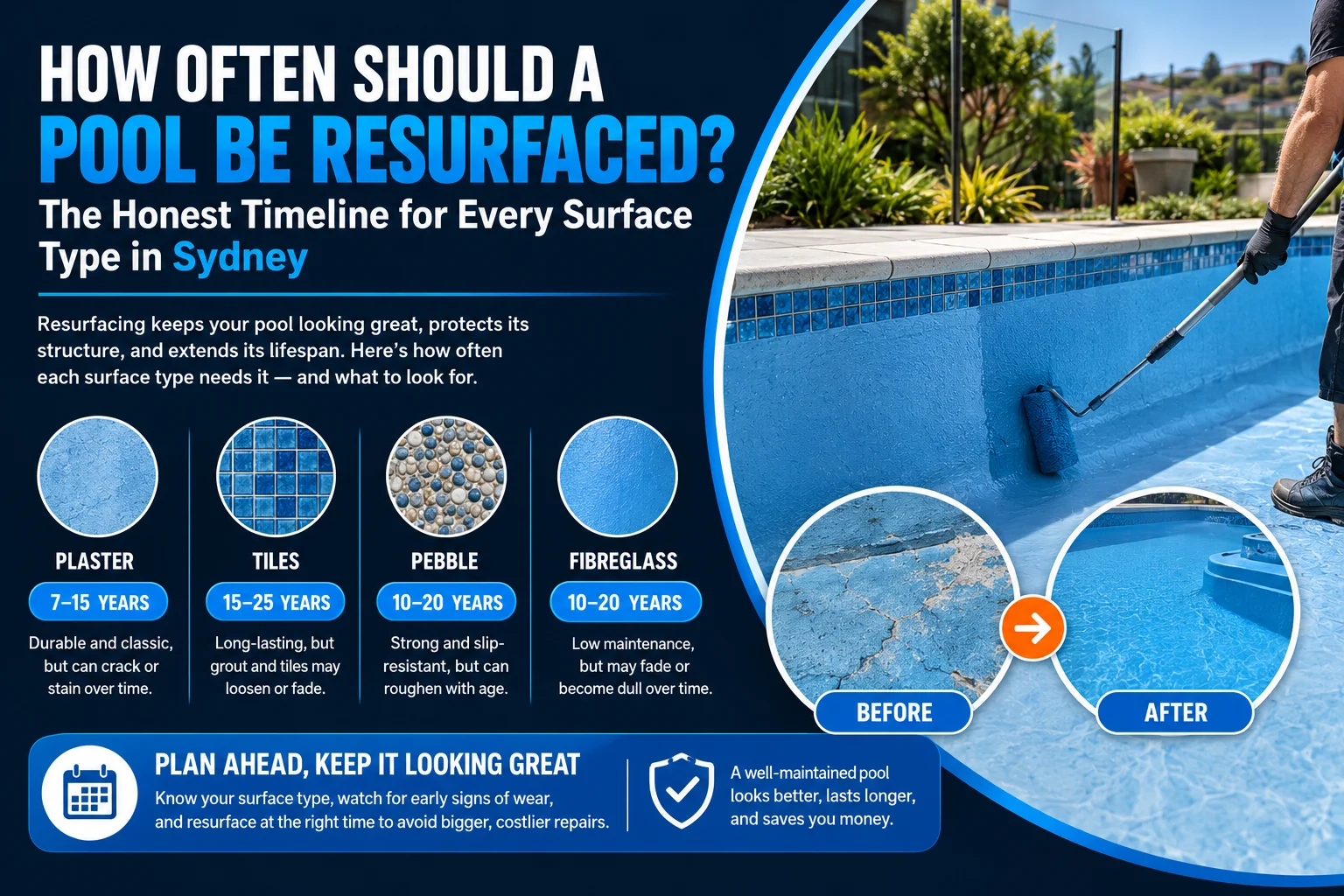
Resurfacing Timeline by Surface Type
Every pool surface has a designed lifespan. Understanding yours helps you plan financially and practically.
| Surface Type | Expected Lifespan | When Resurfacing Is Typically Needed | Key Factor Affecting Lifespan |
|---|
| Epoxy pool paint (Luxapool) | 5 to 8 years | When chalking, fading, blistering, or peeling begins | Water chemistry (acidic water degrades paint faster) |
| Chlorinated rubber paint | 3 to 5 years | When surface feels rough, colour has faded significantly | Shorter-lived product, UV and chemical exposure |
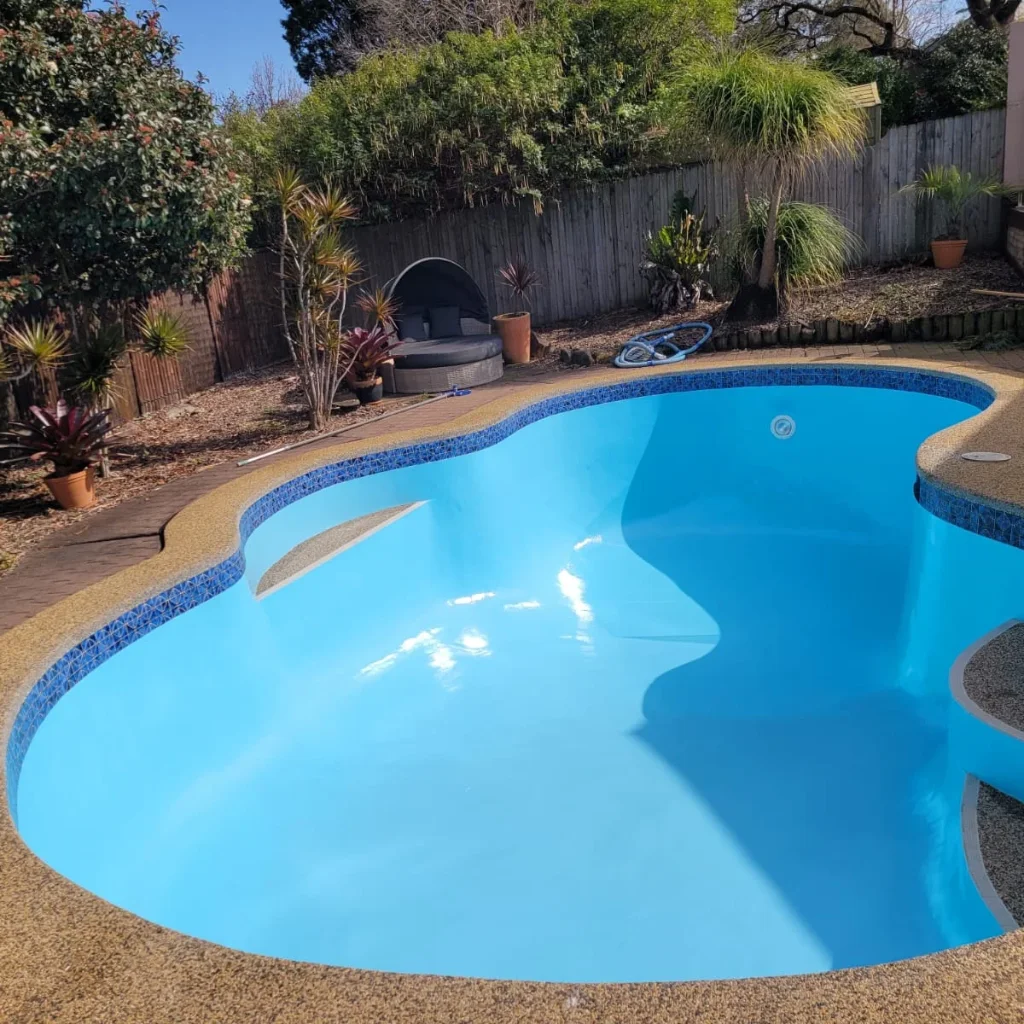
| Pebblecrete | 10 to 15 years | When pebbles are exposed, surface feels sharp, staining is embedded | Water chemistry and acid washing frequency |
| Rendered and sealed | 10 to 15 years | When render is cracking, delaminating, or surface seal has failed | Render quality, ground movement, water balance |
| Tiled interior | 15 to 20+ years | When tiles are falling off, grout failing across large areas | Adhesive quality, water chemistry, ground movement |
| Fibreglass gelcoat | 15 to 25 years | When gelcoat is chalking, osmotic blistering develops, surface discolouring | UV exposure, water chemistry, osmotic pressure |
These timelines assume the surface was correctly installed in the first place. A pebblecrete surface that was poorly mixed, applied too thin, or installed on an inadequately prepared shell may fail within five to seven years rather than the expected 10 to 15. Similarly, a painted pool with improperly maintained water chemistry may need repainting within two to three years rather than five to eight.
For a detailed comparison of surface types and their characteristics, read the pool surface options guide. For paint-specific longevity, the how long pool paint lasts guide covers every variable. For colour options during resurfacing, the pebblecrete pool colours Australia and pool colour trends Sydney guides cover what is popular right now.
Signs Your Pool Needs Resurfacing Now
Regardless of the surface type or age, these physical signs indicate the surface has reached the end of its serviceable life and resurfacing should be planned.
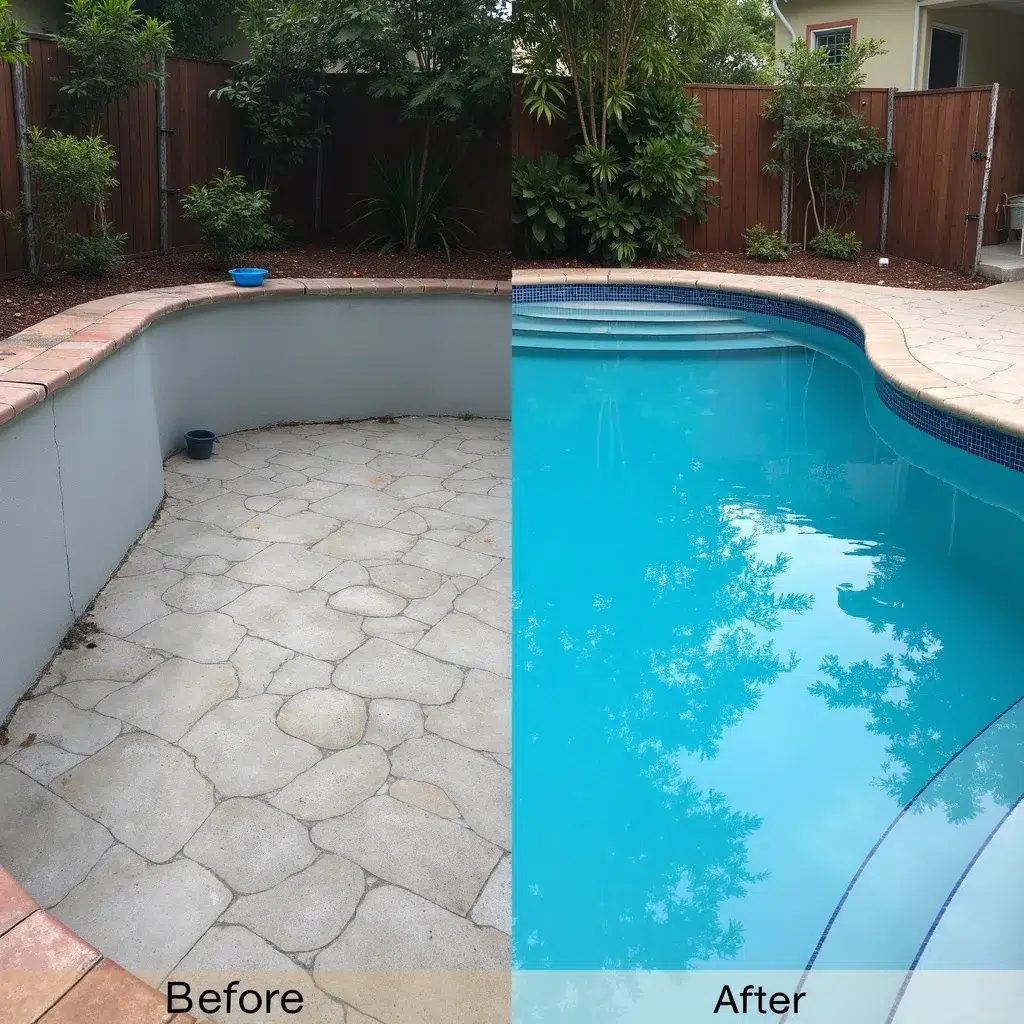
Rough texture underfoot. A pool surface that feels abrasive, sharp, or scratchy when you walk or run your hand across it has lost its smooth finish. On pebblecrete, this means the cement matrix binding the pebbles has worn away, exposing the aggregate. On painted surfaces, this means the paint film has degraded. Rough surfaces cut feet, snag swimwear, and harbour algae in the textured surface.
Persistent staining that will not clean. Surface staining from metals (iron, copper, manganese), algae, or minerals that cannot be removed through chemical treatment or acid washing indicates the stain has penetrated into the surface material itself. At this point, no amount of cleaning restores the appearance because the discolouration is within the surface, not on it. The how to remove pool stains guide covers when stains are treatable versus when they indicate resurfacing is needed.
Visible cracks. Hairline cracks in rendered, pebblecrete, or painted surfaces allow water to penetrate behind the surface and into the concrete shell. Small cracks that appear individually can sometimes be repaired without full resurfacing. Multiple cracks spreading across large areas indicate the surface system is failing structurally and resurfacing is the more cost-effective solution.
Paint peeling, blistering, or chalking. On painted pools, these are the unmistakable signs that the paint film has failed. The pool paint blistering guide covers the causes in detail. Once peeling or blistering has begun, it spreads, and no amount of spot patching stops the progression.
Delamination. Sections of the surface physically separating from the concrete shell underneath, visible as hollow-sounding areas when tapped or sections that have popped away entirely. This indicates the bond between the surface and the shell has failed and resurfacing is required.
Difficulty maintaining water chemistry. An aged, deteriorating surface absorbs chemicals unevenly, leaches minerals into the water, and creates an unstable chemical environment that makes balanced water difficult to maintain despite correct dosing. If your pool water is consistently hard to balance despite correct chemistry management, the surface may be the contributing factor.
“The most common sign homeowners notice first is the rough texture. They stop walking barefoot on the pool floor because it scratches their feet. By that point, the surface has been deteriorating for a while and resurfacing should be planned for the next off-season.”
What Shortens the Resurfacing Interval
Several factors cause pool surfaces to deteriorate faster than their expected lifespan.
Poor water chemistry management is the single biggest factor. Water that is consistently too acidic (low pH) etches and dissolves the surface material, particularly on rendered and pebblecrete surfaces where the cement matrix is attacked by acidic water. Water that is consistently too alkaline (high pH) causes calcium scale buildup that embeds in the surface and creates rough, stained patches. High sanitiser levels degrade paint films faster.
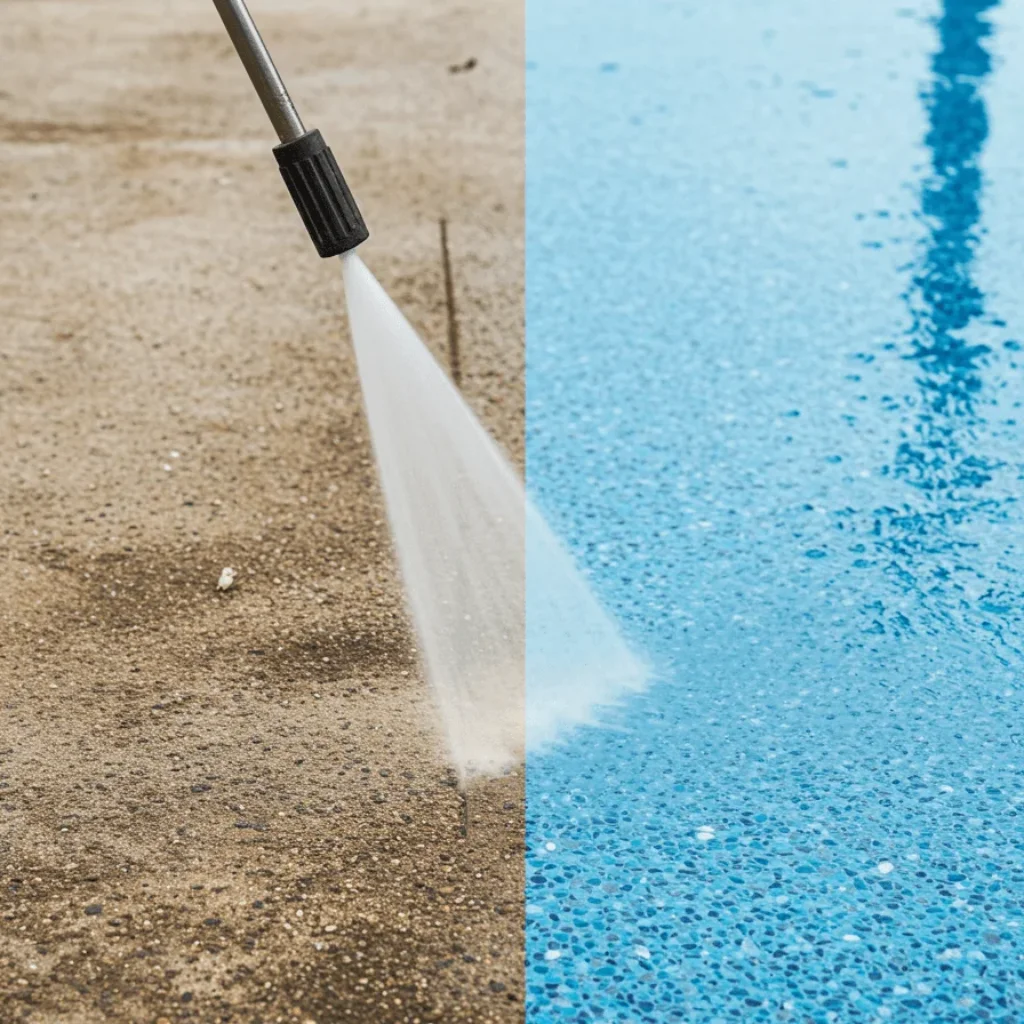
Aggressive acid washing. Acid washing is an effective cleaning method for removing stains and buildup, but each acid wash removes a thin layer of the surface material. Frequent acid washing (more than once every few years) progressively thins the surface and shortens its life. Regular chemical maintenance between acid washes reduces the need for aggressive cleaning.
Heavy use and physical wear. Pools used by large families, for frequent entertaining, or for pool games experience more physical abrasion on the surface than lightly used pools. Rough play, pool toys, and constant foot traffic on the floor accelerate surface wear.
Incorrect original installation. Pebblecrete that was mixed with too little cement, paint that was applied without proper surface preparation, or render that was applied too thin over a poorly prepared shell all fail prematurely regardless of how well the water is maintained afterward.
Ground movement. Sydney’s reactive clay soils cause the pool shell to flex with moisture changes, which stresses the surface material. Over years, this movement causes cracking that accelerates surface breakdown. Pools on sloping blocks or in areas with variable soil conditions are more susceptible.
What Extends the Resurfacing Interval
These practices extend the life of your existing surface and delay the need for resurfacing.
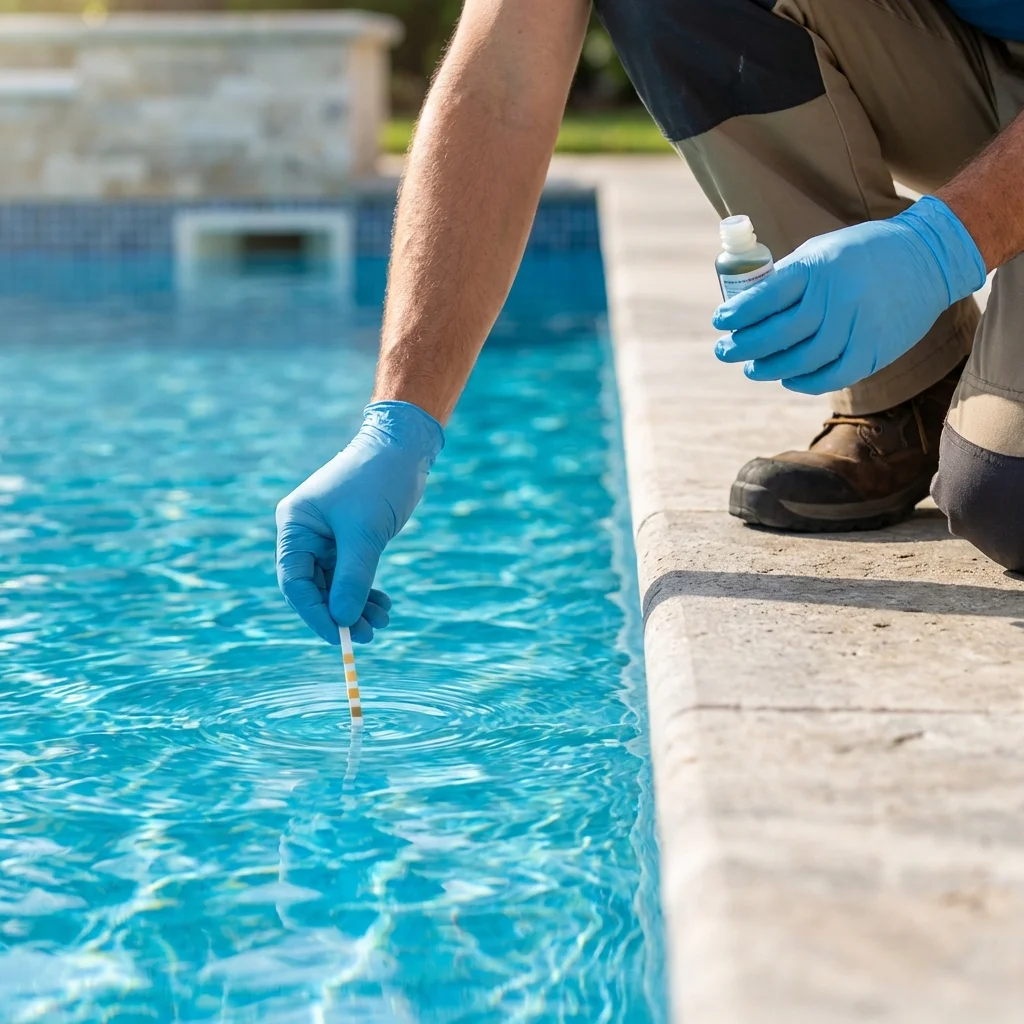
Maintain correct water chemistry consistently. Keep pH between 7.2 and 7.6, total alkalinity between 80 and 120 ppm, calcium hardness between 200 and 400 ppm, and sanitiser levels within the surface manufacturer’s recommended range. Test weekly and adjust promptly. Balanced water is the single most important factor in surface longevity.
Clean regularly. Regular brushing of walls and floor prevents algae from establishing in the surface texture. Regular pool cleaning keeps the surface free of debris and organic matter that cause staining.
Address stains early. Treating metal stains and organic stains when they first appear prevents them from embedding deeper into the surface over time. The how to remove pool stains guide covers treatment methods.
Follow the resurfacing maintenance program. Professional post-resurfacing maintenance including correct startup chemistry, initial fill water management, and ongoing care protocols extend the new surface’s life significantly.
Schedule regular pool inspections. A professional assessment every two to three years catches early surface deterioration, crack development, and equipment issues before they become urgent. The pool inspection cost guide covers what to expect.
Choosing the Right Surface for Your Next Resurfacing
When the time comes, choosing the right surface type for your next resurfacing affects how long it will be before you need to do it again.
| If You Want | Consider | Why |
|---|
| Longest interval between resurfacing | Pebblecrete or tiling | 10 to 20+ year lifespan reduces long-term cost |
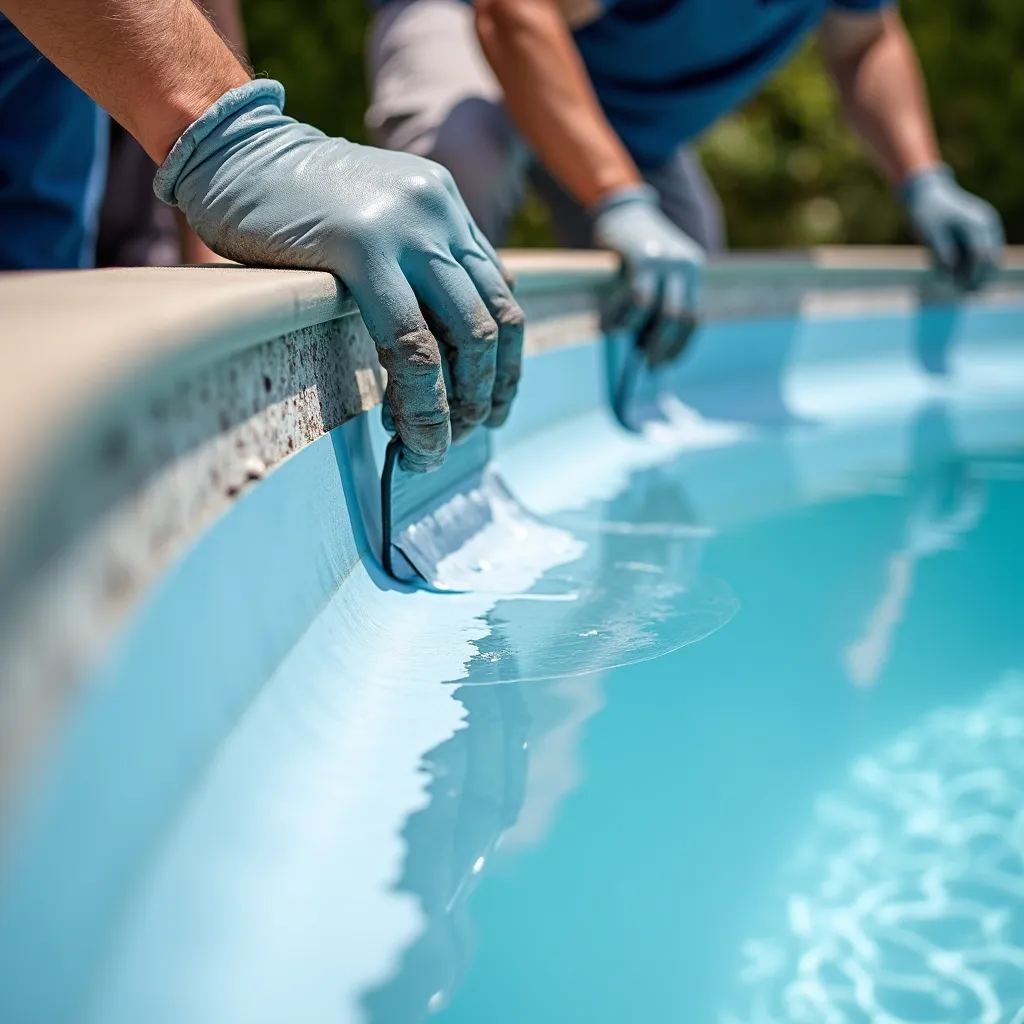
| Lowest upfront cost | Pool painting with Luxapool epoxy | Most affordable resurfacing option, 5 to 8 year cycle |
| Widest colour range | Pebblecrete or paint | Dozens of colour blends and custom options |
| Smoothest finish | Paint or rendered and sealed | Glass-smooth surface, easy underfoot |
| Best long-term value (lowest cost per year) | Pebblecrete | Higher upfront but lasts twice as long as paint |
| Fibreglass pool | Fibreglass resurfacing | Restores original gelcoat finish |
The pool resurfacing cost guide covers detailed pricing for each option. The concrete pool vs fibreglass pool comparison helps if you are deciding between pool types.
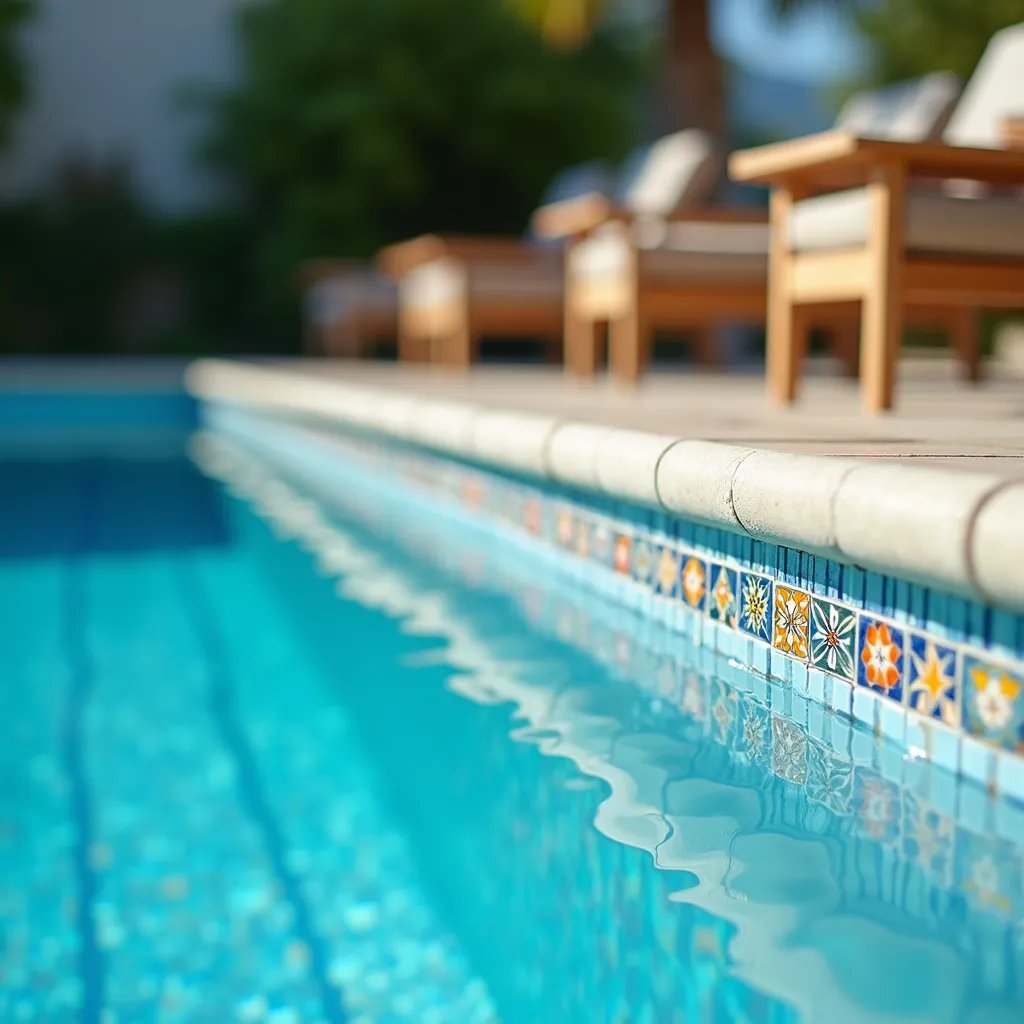
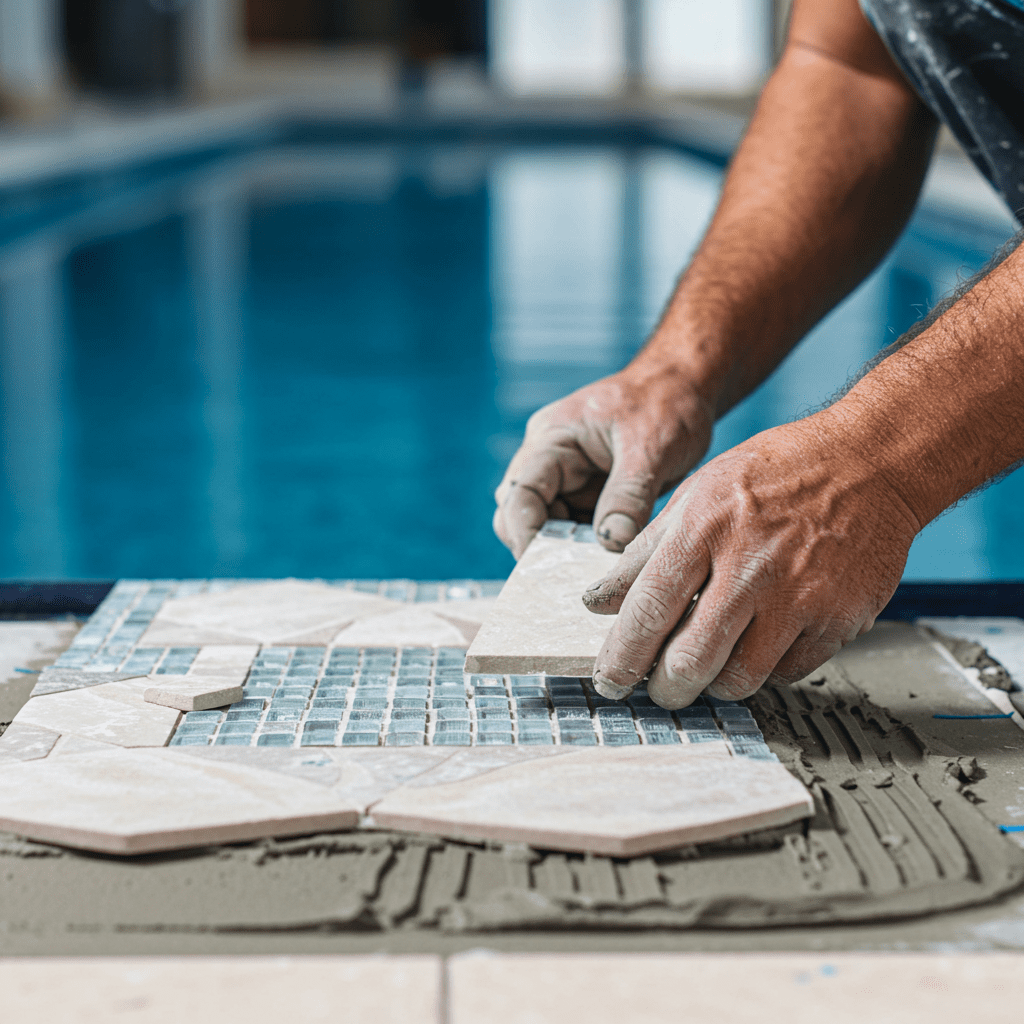
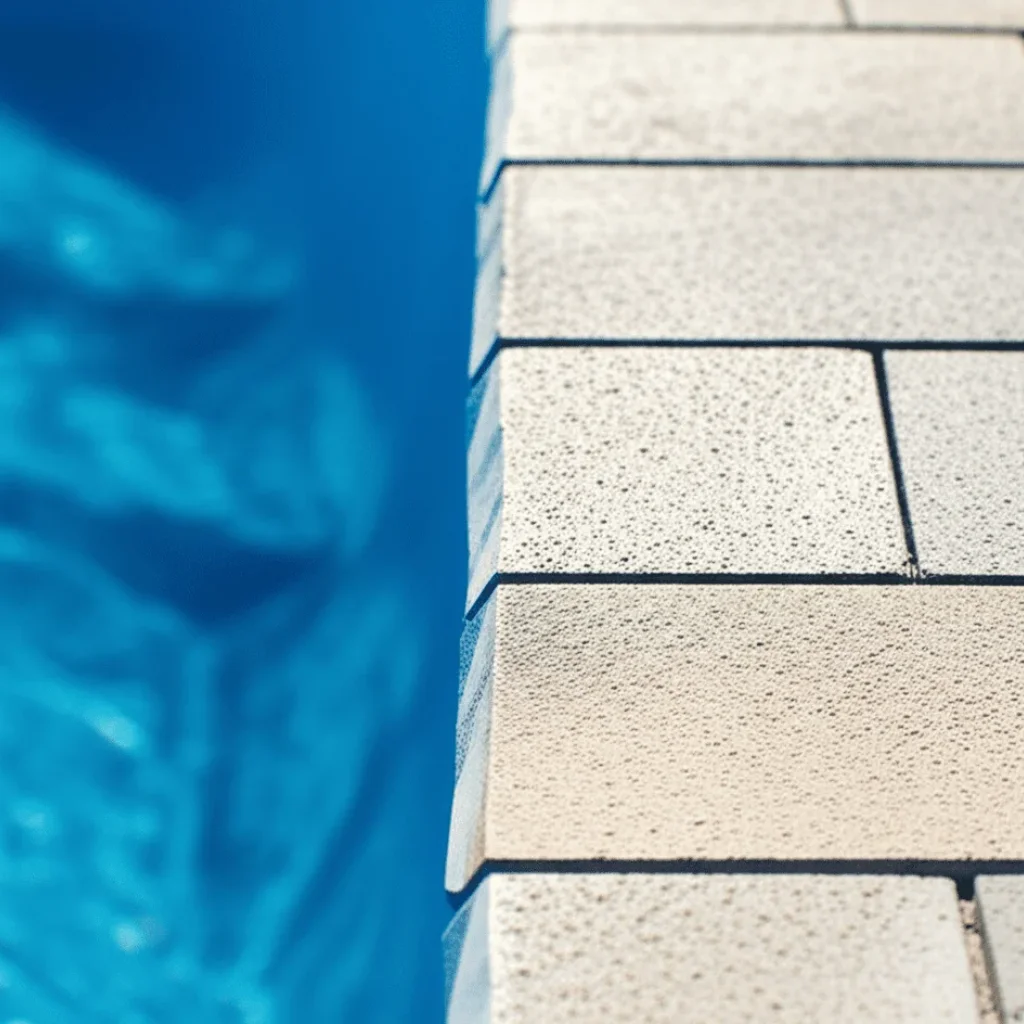
For a complete visual transformation alongside resurfacing, consider combining with new waterline tiles, coping, paving, and surrounds. The swimming pool renovation ideas guide covers every upgrade option, and the pool renovations cost guide covers bundled project pricing.