Why Pool Tiles Fall Off
Pool tiles do not just “come loose” without a reason. Every detachment has a cause, and understanding that cause determines the right repair approach.
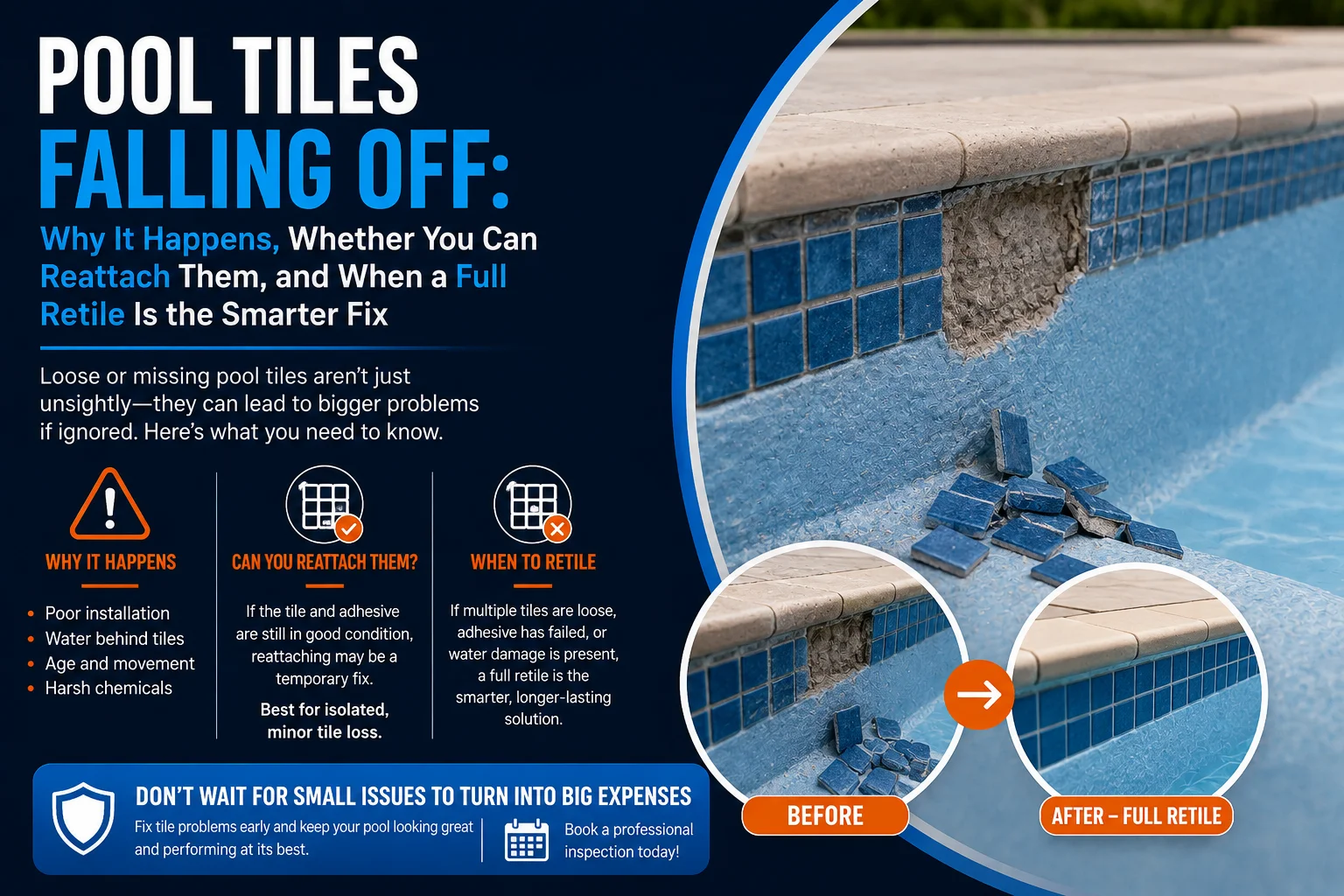
Adhesive failure from age. Tile adhesive (thinset) has a finite lifespan in a submerged environment. Over 15 to 25 years of constant water exposure, chemical contact, and temperature cycling, even properly applied adhesive gradually weakens. The bond between tile and substrate deteriorates until the tile releases. If the tiles were installed at the same time, adhesive failure on one tile typically means the surrounding tiles are approaching the same stage.
Incorrect original installation. This is the most common cause of premature tile failure (within the first five to ten years). Tiles installed with insufficient adhesive coverage (where the thinset was not spread evenly or the tile was not pressed firmly enough to achieve full back-butter contact), over an improperly prepared substrate, or using the wrong adhesive type for submerged conditions will fail significantly earlier than correctly installed tiles.
Substrate breakdown. The surface underneath the tiles (render, concrete, or existing coating) may be deteriorating. If the render is crumbling, delaminating, or separating from the concrete shell, the tiles detach because the layer they are bonded to is itself failing. This is particularly common on older pools where the original render has been compromised by decades of water exposure.
Water chemistry damage. Pool water that is consistently too acidic (low pH) attacks grout and adhesive over time. Water that is too alkaline (high pH) causes calcium scale buildup behind tiles that pushes them away from the wall. Improperly maintained water chemistry is one of the most preventable causes of tile failure.
Ground movement. Sydney’s reactive clay soils expand and contract with moisture changes, causing the pool shell to flex. Rigid tiles cannot absorb this movement, and the stress concentrates at the adhesive bond line. Over time, the bond breaks and the tile releases. Pool crack repair addresses the structural implications of ground movement on the pool shell.
Hydrostatic pressure. Groundwater pressure beneath and around the pool shell can push moisture through the concrete from behind. This moisture migrates through the substrate and attacks the adhesive bond from the back, causing tiles to “pop” off the wall. Pool waterproofing addresses this by creating a barrier that prevents moisture migration.
“When a homeowner calls about one tile falling off, we usually find ten more that are ready to follow. Tap the surrounding tiles with your knuckle. If they sound hollow instead of solid, the adhesive behind them has already failed. It is just a matter of time.”
How to Tell If the Problem Is Isolated or Widespread
Before deciding on a repair approach, you need to understand the scope of the problem.
The tap test. Using your knuckle or a small rubber mallet, tap each tile firmly. A tile with solid adhesive behind it produces a sharp, solid sound. A tile with failed adhesive produces a hollow, drum-like sound. If multiple tiles around the fallen one sound hollow, the failure is spreading.
Edge lifting. Look closely at the tiles surrounding the fallen one. If you can see any edges lifting slightly away from the wall, or if grout lines are cracked, crumbling, or missing, the adhesive failure extends beyond the single tile that has already detached.
Grout condition. Deteriorated grout (soft, powdery, missing, or discoloured) across a wide area indicates that water has been penetrating behind the tiles for an extended period, which means the adhesive behind those tiles is likely compromised as well.
Substrate condition. Look at the exposed area where the tile fell off. If the substrate (render or concrete) is solid, firm, and intact, the tile may be reattachable. If the substrate is soft, crumbly, powdery, or separating from the pool shell underneath, the problem is deeper than the tile itself.
| What You Find | What It Means | Likely Fix |
|---|
| One tile fell, surrounding tiles sound solid, substrate is firm | Isolated adhesive failure on a single tile | Individual tile reattachment may be sufficient |
| One tile fell, several surrounding tiles sound hollow | Spreading adhesive failure across a section | Section retiling with proper substrate preparation |
| Multiple tiles falling across different areas of the pool | Systemic failure (age, chemistry, or installation issue) | Full pool retiling or renovation |
| Substrate behind the tile is soft, crumbly, or delaminating | Render or surface failure underneath | Surface repair or resurfacing before retiling |
| Tiles popping off from behind (pushed outward) | Hydrostatic pressure or moisture migration | Waterproofing and retiling |
Can You Reattach a Fallen Pool Tile?
Yes, a single tile can be reattached, but the success depends on the substrate condition and whether the right materials and method are used.
Underwater adhesive (temporary fix). Epoxy-based underwater adhesives allow you to reattach a tile without draining the pool. The tile is pressed onto the adhesive against the wall and held in place until the epoxy sets. This is a convenient short-term fix, but underwater adhesives do not achieve the same bond strength as a proper thinset application on a dry, prepared surface. Tiles reattached underwater have a higher failure rate and often detach again within months to a few years.
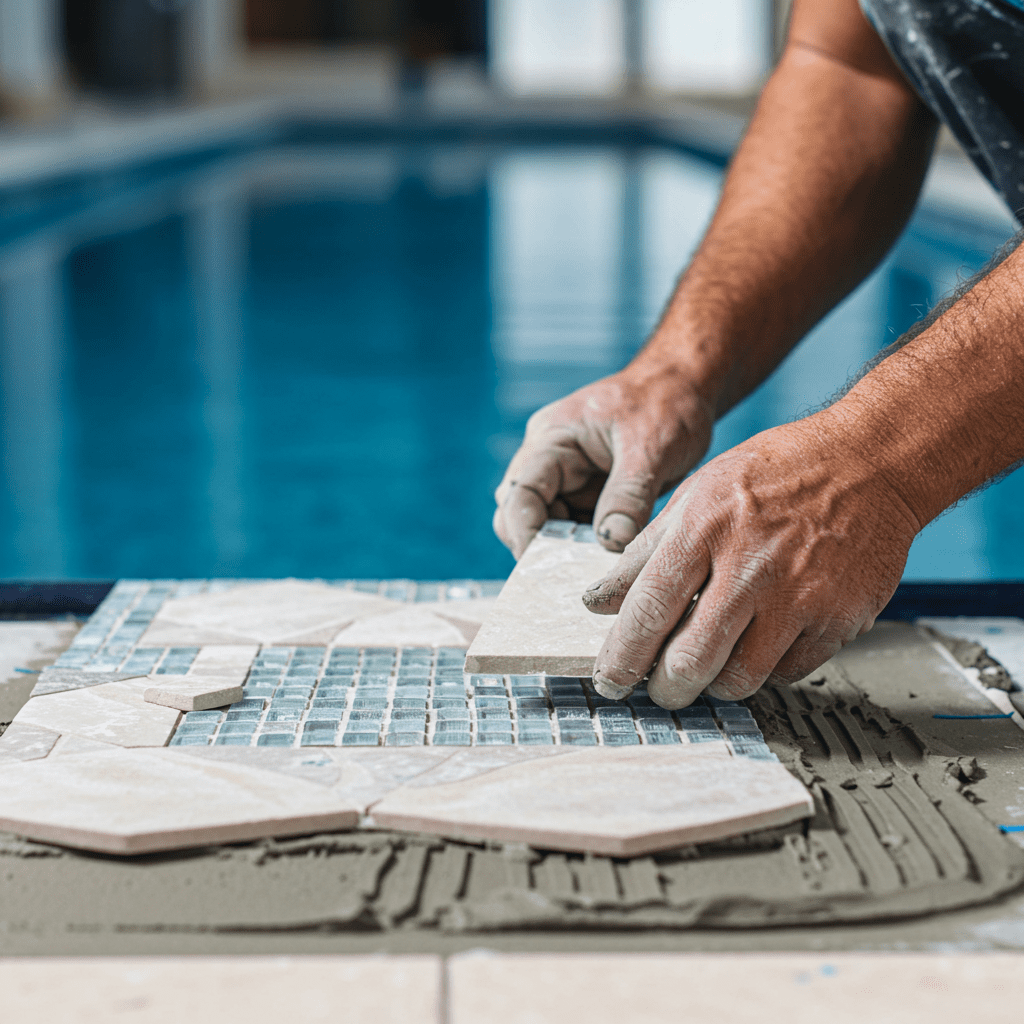
Proper reattachment (permanent fix). For a lasting result, the pool section needs to be accessed on a dry surface (either by draining the pool or lowering the water level for waterline tiles). The substrate is cleaned, any deteriorated render is repaired, a proper pool-rated thinset adhesive is applied, the tile is set with correct coverage and pressure, and new grout is applied after curing. This method achieves the same bond quality as the original installation.
If you are going to the effort of draining the pool to fix tiles properly, it is worth assessing whether a broader scope of work makes sense. A pool inspection while the pool is empty identifies every issue, not just the one you can see from the surface.
Waterline Tiles vs Interior Tiles: Different Failure Patterns
The location of the failing tiles affects the cause and the repair approach.
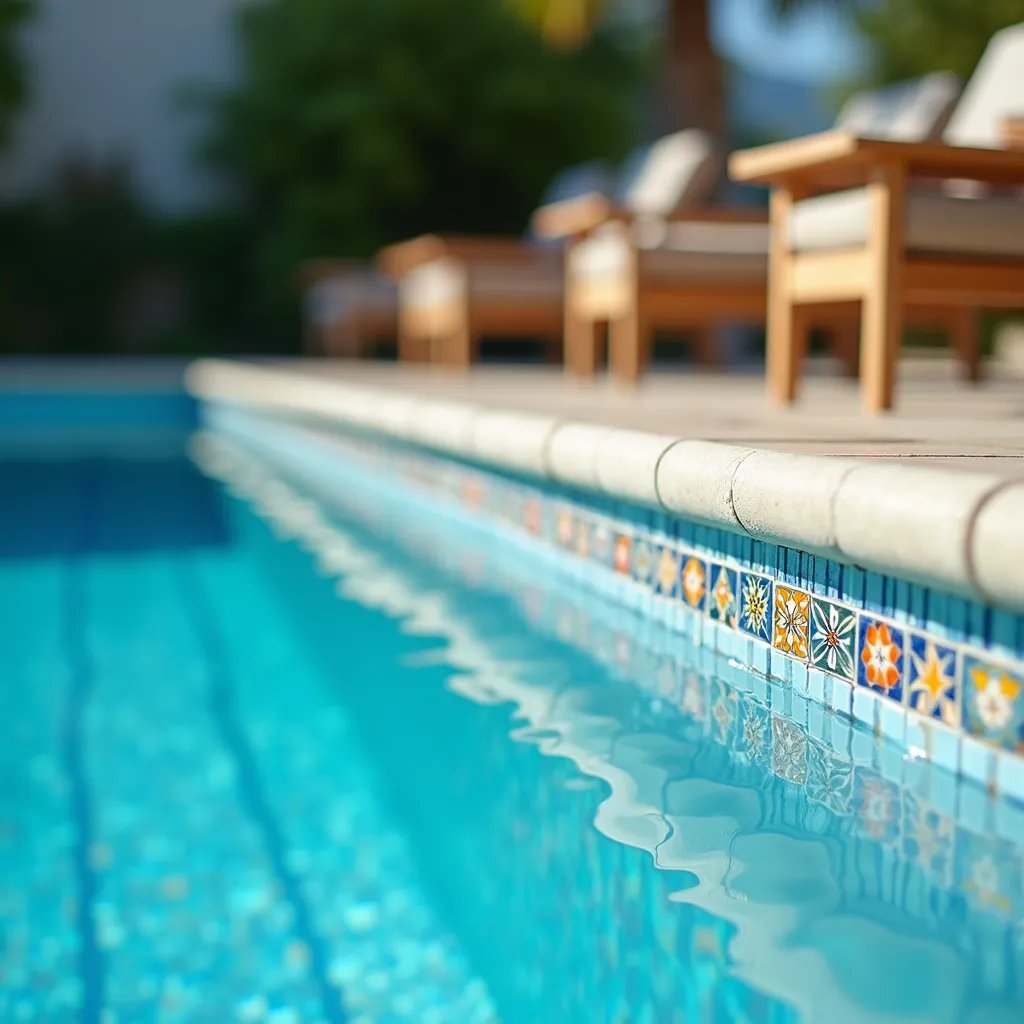
Waterline tiles (the decorative band at the water’s surface level) are the most common location for tile failure. They are exposed to the harshest conditions: the chemical concentration is highest at the waterline, UV hits directly at this level, calcium scale deposits are heaviest here, and the constant wet-dry cycling of the water level places repeated thermal and moisture stress on the adhesive.
If waterline tiles are falling off, replacement is often straightforward because the water level can be lowered below the tiles without fully draining the pool. This makes waterline retiling one of the more accessible renovation upgrades. The pool colour trends Sydney guide covers what is popular for waterline tile replacement right now.
Interior floor and wall tiles (full interior tiling below the waterline) are subject to constant submersion and hydrostatic pressure from behind. Failure in these locations more often indicates substrate or waterproofing issues rather than surface-level adhesive failure. Full interior tile replacement typically requires a complete pool drain and more extensive surface preparation.
When Retiling Is Not Enough
Sometimes tiles falling off are a symptom of a bigger problem that retiling alone will not solve.
If the pool shell has cracks, tiles will continue to detach because the shell movement that caused the cracks also breaks tile bonds. Pool crack repair and potentially structural reinforcement must happen before new tiles are installed.
If the render is failing across large areas, applying new tiles over deteriorating render means the new tiles will fail the same way. The render needs to be stripped back to sound concrete, the surface re-rendered or repaired, and then new tiles installed on a solid foundation. Pool rendering covers this process.
If water chemistry has been neglected for years, the damage may extend beyond the tiles to the grout, adhesive, render, and even the concrete shell itself. An acid wash after draining reveals the true condition of the pool surface underneath.
If the pool is 20+ years old and tiles are failing in multiple areas, a complete pool renovation (resurfacing, retiling, and potentially coping and paving replacement) is more cost-effective than repeatedly patching individual areas over the coming years. The pool renovation cost guide covers what to budget.
Alternatives to Retiling
If tiles are falling off across a large area, retiling is not the only option. Depending on the pool’s condition and your goals, these alternatives may be more suitable.
Pebblecrete resurfacing replaces the tiled finish entirely with a pebblecrete surface that covers the entire pool interior. All existing tiles are removed, the substrate is prepared, and the pebblecrete finish is applied directly to the concrete shell. This eliminates the tile adhesion issue entirely because there are no tiles to fall off.
Pool painting with a professional epoxy system replaces the tiled surface with a smooth, painted finish. Tiles are removed, the surface is prepared, and epoxy paint is applied. This is a more budget-friendly alternative to both retiling and pebblecrete. The pool paint types guide and how long pool paint lasts guide cover the options.
Concrete resurfacing with a rendered and sealed finish provides a smooth, modern look without tiles or pebblecrete. Concrete pool resurfacing covers this option in detail.
For a side-by-side comparison of all surface options, the pool surface options guide covers every choice.
Preventing Tiles from Falling Off
Prevention extends the life of your pool tiles and delays the need for retiling.
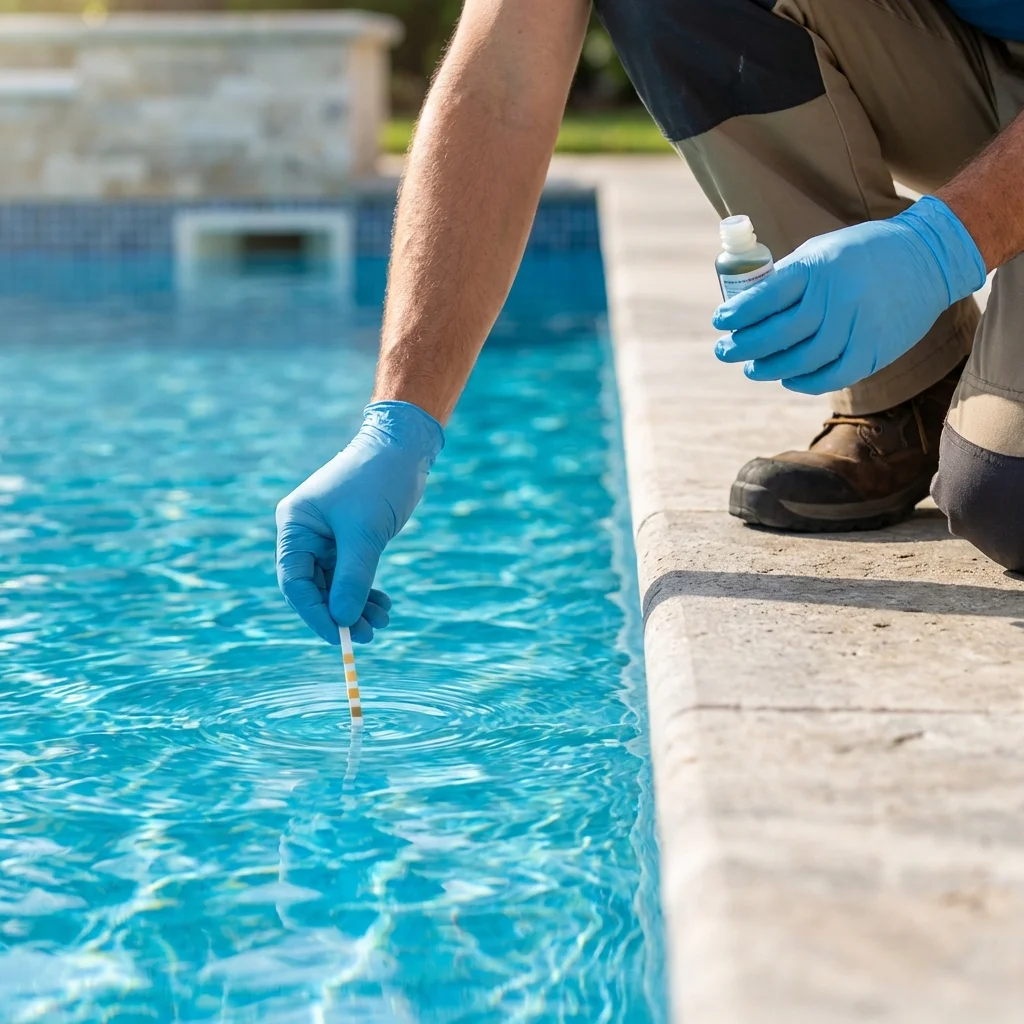
Maintain correct water chemistry consistently. Keep pH between 7.2 and 7.6, alkalinity between 80 and 120 ppm, and calcium hardness between 200 and 400 ppm. Acidic water attacks grout and adhesive. Alkaline water causes scale buildup behind tiles. Regular testing and adjustment prevents both.
Address grout deterioration early. Crumbling, missing, or discoloured grout allows water behind the tiles, which accelerates adhesive breakdown. Regrout affected areas before tiles start loosening.
Monitor for hollow-sounding tiles. Do the tap test on your tiles every six months, particularly around the waterline. Catching a hollow tile before it falls off gives you time to plan a proper repair on your schedule.
Schedule regular pool inspections. A professional assessment identifies tile, surface, and structural issues before they become visible failures. The pool inspection cost guide covers what to expect.