Get a free quote:

Pool Care & Renovation Insights

Pool waterproofing

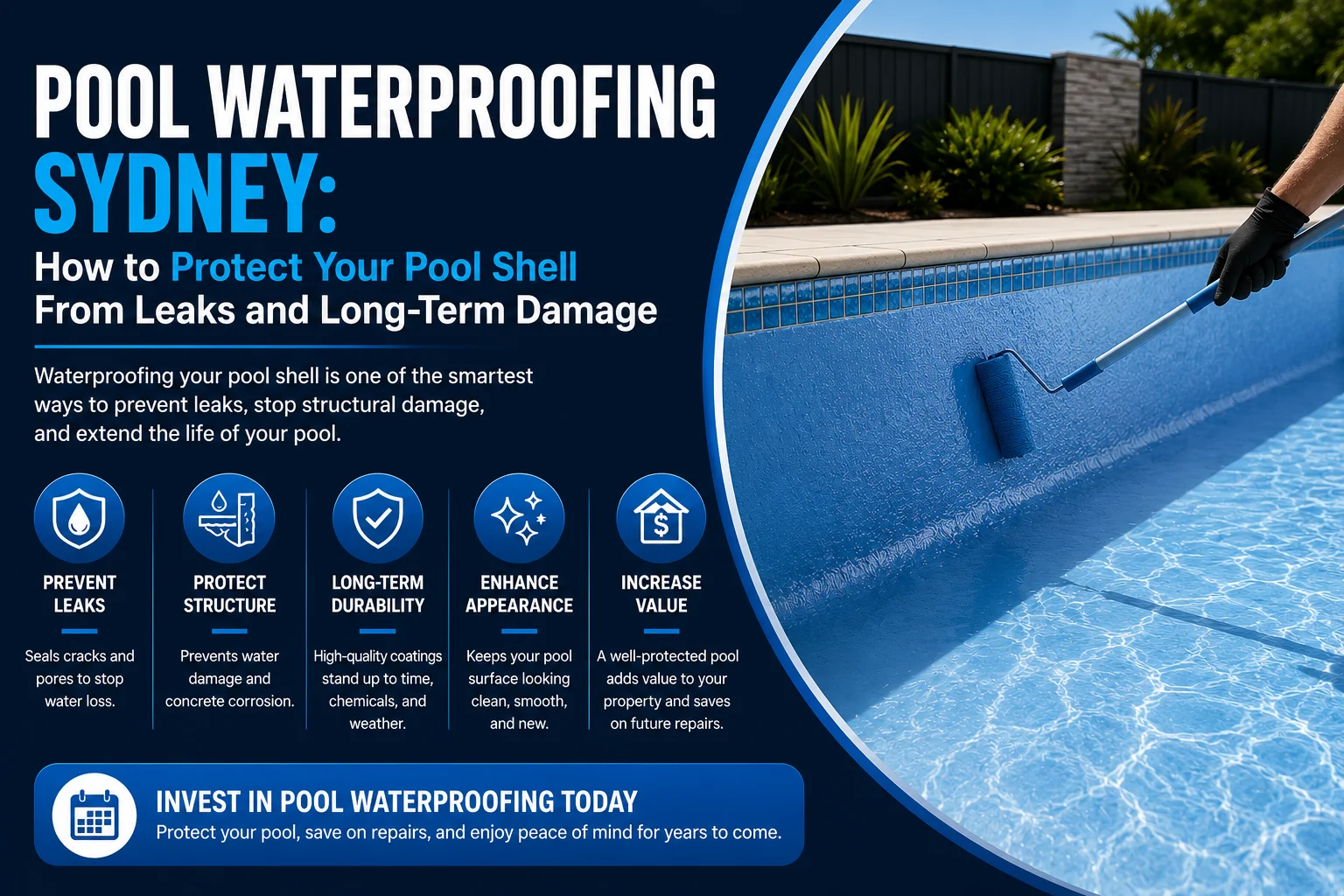
Pool Waterproofing Sydney: How to Protect Your Pool Shell From Leaks and Long-Term Damage

Quick Overview:

Pool waterproofing is the process of sealing and protecting your swimming pool’s interior surface to prevent water from penetrating through the concrete shell and into the surrounding ground. In Sydney, pool waterproofing is typically achieved through epoxy or chlorinated rubber pool painting, pebblecrete or rendered resurfacing, fibreglass relining, or a combination of surface repair and protective coatings. Without a properly waterproofed surface, pool water seeps through cracks, porous concrete, and deteriorated finishes, causing structural damage, ground erosion, increased water bills, and chemical imbalance. Most concrete pools in Sydney need waterproofing attention every 10 to 15 years as protective surfaces wear down from UV exposure, chemical contact, and general ageing. At Advance Pool Painting, waterproofing is built into every pool renovation, resurfacing, and painting project, ensuring the pool shell is fully sealed before any finishing work is applied.

Pool waterproofing service

Pool waterproofing is one of those things most pool owners never think about until something goes wrong. The pool surface looks fine from above, the water is clear, and everything seems normal. But underneath the surface, water may already be finding its way through micro-cracks, porous concrete, and worn-out coatings into the substrate.

By the time you notice unexplained water loss, damp patches in the garden near the pool, or cracks forming on the pool floor, the damage has usually been developing for months. That is why understanding how pool waterproofing works and knowing when your pool needs attention can save you thousands in structural repairs down the line.

This guide explains what pool waterproofing involves, the signs that your pool’s waterproofing has failed, the best methods used in Sydney, and how it connects to pool painting, resurfacing, and renovation.


What Is Pool Waterproofing and Why Does It Matter?

Every concrete swimming pool relies on its interior surface to act as a waterproof barrier between the pool water and the concrete shell underneath. That surface might be paint, pebblecrete, render, tiles over a rendered base, or a fibreglass lining. Regardless of the finish, its primary job is to stop water from passing through.

When that barrier fails, pool water seeps into the porous concrete. Over time, this causes the concrete to weaken and crack, the surrounding soil to erode and shift, the pool structure to move as ground conditions change, increased water loss that shows up on your water bill, and difficulty maintaining proper chemical balance because the pool is constantly losing and gaining water.

In Sydney’s climate, where pools are exposed to intense UV, temperature fluctuations, and heavy chemical use, protective surfaces deteriorate faster than many homeowners expect.

“Most pool owners assume their pool is waterproof because it holds water. But a pool surface that looks intact on the surface can be allowing water through at a rate that causes serious structural damage over several years.”

Signs Your Pool Needs Waterproofing

Catching waterproofing failure early is the key to avoiding expensive repairs. Here are the warning signs that experienced pool renovation contractors in Sydney look for.

Warning SignWhat It Means
Unexplained water loss beyond normal evaporationWater is escaping through the shell, not just evaporating
Cracks in pool walls or floor that keep reappearingThe surface barrier has failed and structural movement may be occurring
Rough, peeling, or blistering pool surfaceThe coating or finish has broken down and is no longer sealing properly
Damp or soft ground around the poolWater is penetrating through the shell into the surrounding soil
Persistent algae in specific spotsDeteriorated surfaces create pores where algae takes hold and resists chemicals
Discolouration or staining that chemicals cannot removeMinerals are leaching through compromised waterproofing from the substrate
Rising water bills with no other explanationConsistent water loss through a failing pool shell

If you are noticing any of these, a pool leak detection service can confirm whether the waterproofing has failed and where the water is escaping.

How Pool Waterproofing Works in Sydney

Pool waterproofing is not a single product or process. It is the result of properly preparing and finishing the pool’s interior surface so that it creates an unbroken, sealed barrier.

For most Sydney pools, waterproofing involves several steps performed together.

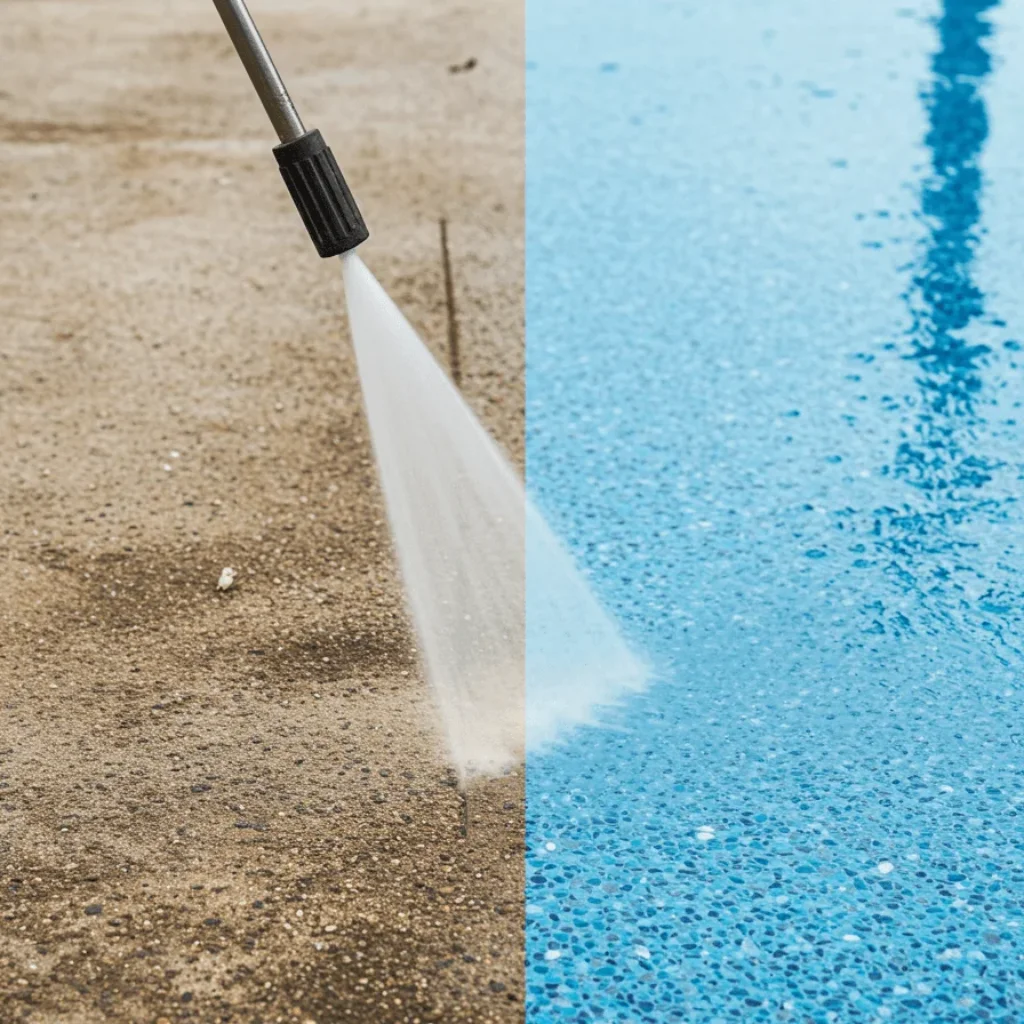
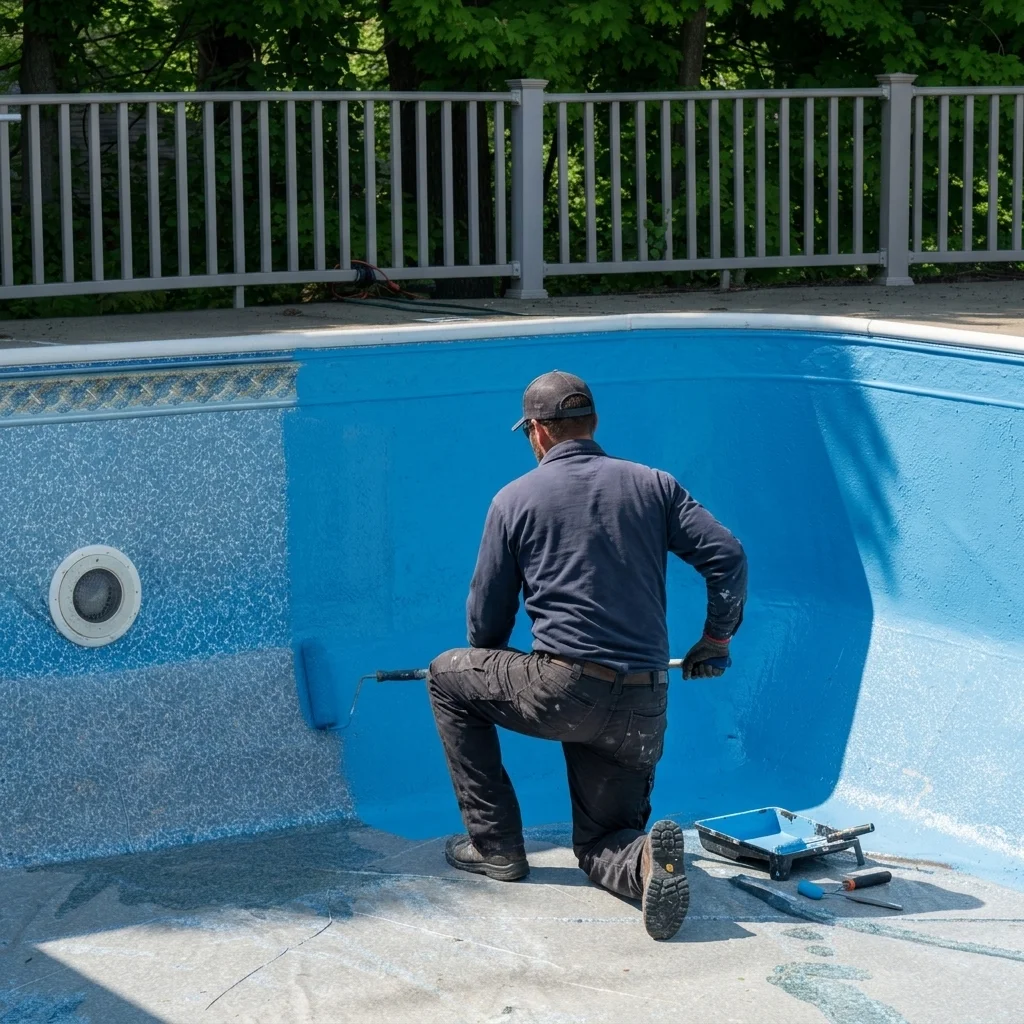
Surface preparation comes first. The existing surface is assessed, and any old paint, loose render, or damaged material is removed through pool blasting or mechanical grinding to expose a clean, stable substrate.

Crack and structural repair is next. Any cracks in the shell are filled and reinforced. This step is critical because applying a new surface over unrepaired cracks will not stop water from penetrating through them. Our guide on pool crack repair in Sydney covers this process in detail.

Priming and bonding prepares the substrate to accept the new waterproof surface. A bonding agent ensures proper adhesion between the concrete shell and whatever finish is applied on top.

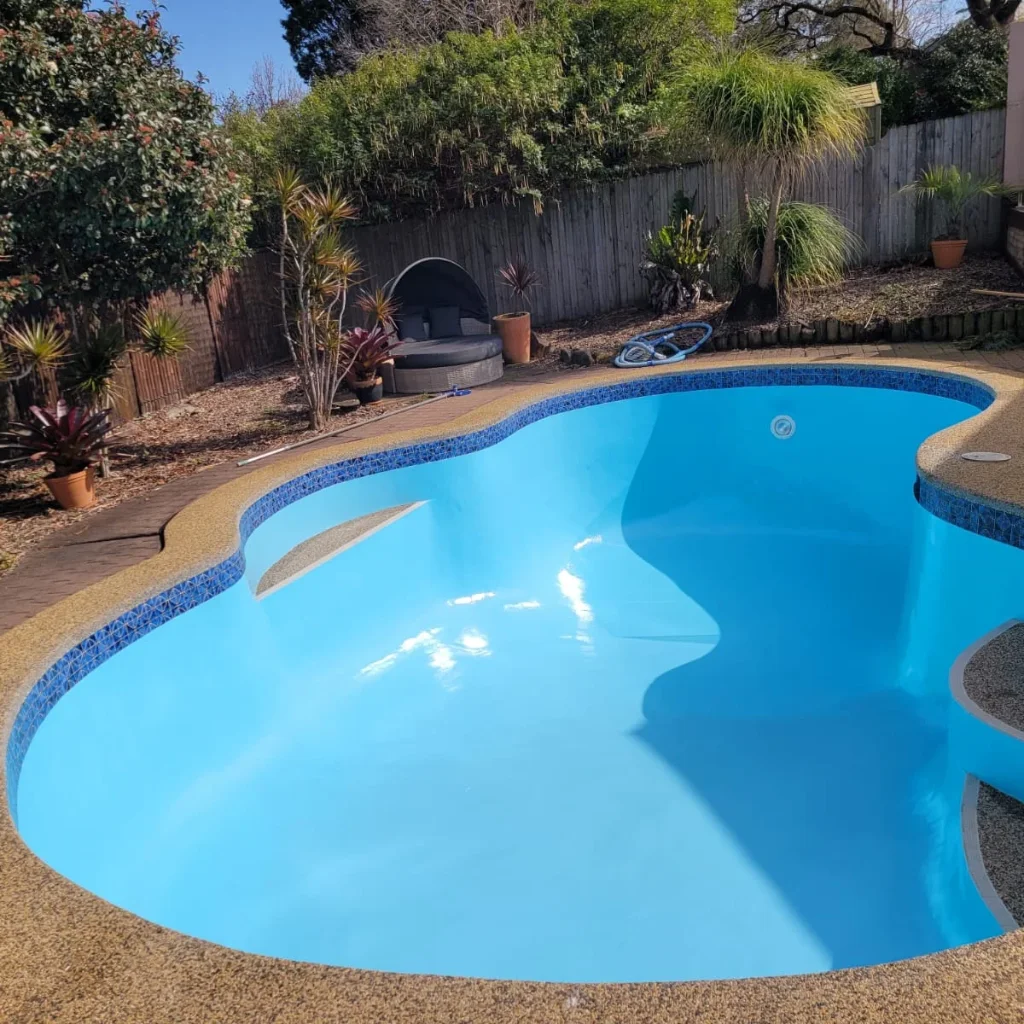
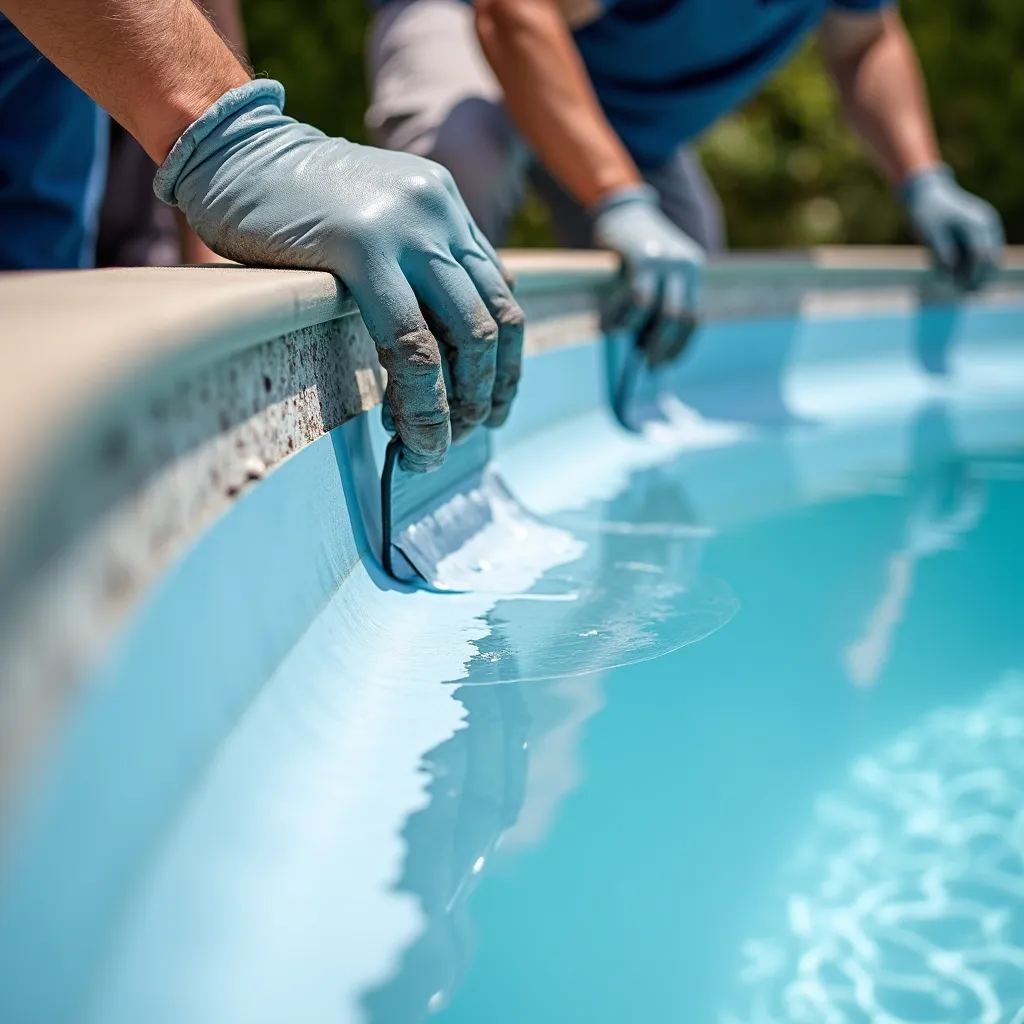
The waterproof finish is then applied. This could be epoxy pool paint, chlorinated rubber paint, pebblecrete, a cement or acrylic render, or a fibreglass lining, depending on the pool type, budget, and desired appearance.

Curing allows the new surface to harden and bond fully before the pool is refilled and chemically balanced.
Pool waterproofing services Sydney


Best Pool Waterproofing Methods for Sydney Pools

Different pools and different budgets call for different waterproofing approaches. Here is a comparison of the most common methods used by pool renovation contractors in Sydney.

MethodBest ForLifespanWaterproofing Level
Epoxy pool paintConcrete and fibreglass pools needing a cost-effective refresh7 to 10 yearsExcellent
Chlorinated rubber paintBudget-friendly option for concrete pools3 to 5 yearsGood
Pebblecrete resurfacingPools needing a durable, textured finish with strong waterproofing15 to 20 yearsExcellent
Cement or acrylic renderPools needing a new base coat before painting or tiling10 to 15 yearsVery good
Fibreglass reliningFibreglass pools with gelcoat failure or structural surface issues15 to 20 yearsExcellent
Full tiling over rendered basePools where a premium, long-lasting finish is desired20+ yearsExcellent (when render is waterproof)

Advance Pool Painting holds both Dulux and Luxapool accreditations, which means we use professional-grade products for every pool painting and resurfacing project. For a detailed comparison of paint options, see our guide on pool paint types. For pricing, check our pool resurfacing cost guide.
Pool Waterproofing Sydney: How to Seal and Protect Your Pool Shell

A visual guide to waterproofing methods, the 5-step process, and warning signs from Advance Pool Painting

The Pool Waterproofing Process

1

Drain and Inspect

The pool is fully drained and the shell is assessed for cracks, delamination, porous areas, and structural issues that could allow water to escape.

2

Surface Preparation

Old paint, loose render, and deteriorated material are removed through hydro blasting or grinding to expose a clean, sound substrate.

3

Crack Repair and Priming

Every crack is filled and reinforced. A bonding agent is applied across the entire shell to ensure proper adhesion for the waterproof finish.

4

Waterproof Finish Applied

The chosen waterproof coating (epoxy paint, pebblecrete, render, or fibreglass) is applied in controlled coats across the pool walls and floor.

5

Cure, Refill, and Balance

The surface cures fully before the pool is refilled. Water chemistry is then balanced to protect the new finish and maximise its lifespan.

Waterproofing Methods Compared

Epoxy Pool Paint

  • Smooth, clean finish
  • Excellent waterproofing
  • Cost-effective option
  • Lasts 7 to 10 years
  • Best for: concrete pools

Pebblecrete

  • Durable textured finish
  • Superior waterproofing
  • Low maintenance
  • Lasts 15 to 20 years
  • Best for: long-term value

Fibreglass Lining

  • Seamless smooth surface
  • Excellent waterproofing
  • Stain resistant
  • Lasts 15 to 20 years
  • Best for: fibreglass pools

7 Warning Signs Your Pool Needs Waterproofing

💧

Unexplained Water Loss

Losing more than normal evaporation

Recurring Cracks

Cracks that reappear after patching
🪨

Rough or Peeling Surface

Coating has broken down
🌿

Damp Ground Around Pool

Water escaping through the shell
🟢

Persistent Algae Spots

Porous surface harbouring growth
🎨

Stubborn Staining

Minerals leaching through surface
💰

Rising Water Bills

Constant water loss adds up

When Should You Waterproof Your Pool?

Timing matters. The best time to address waterproofing is before visible leaks appear, not after.

As a general guide, epoxy painted pools should be inspected every 7 to 10 years. Chlorinated rubber painted pools need attention every 3 to 5 years. Pebblecrete and rendered pools should be assessed every 10 to 15 years. Fibreglass pools need gelcoat inspection every 10 to 15 years. Any pool showing warning signs from the table above should be assessed immediately, regardless of age.

If you are unsure about the current condition of your pool’s waterproofing, a pool inspection will confirm whether work is needed and what the best approach is for your specific pool.

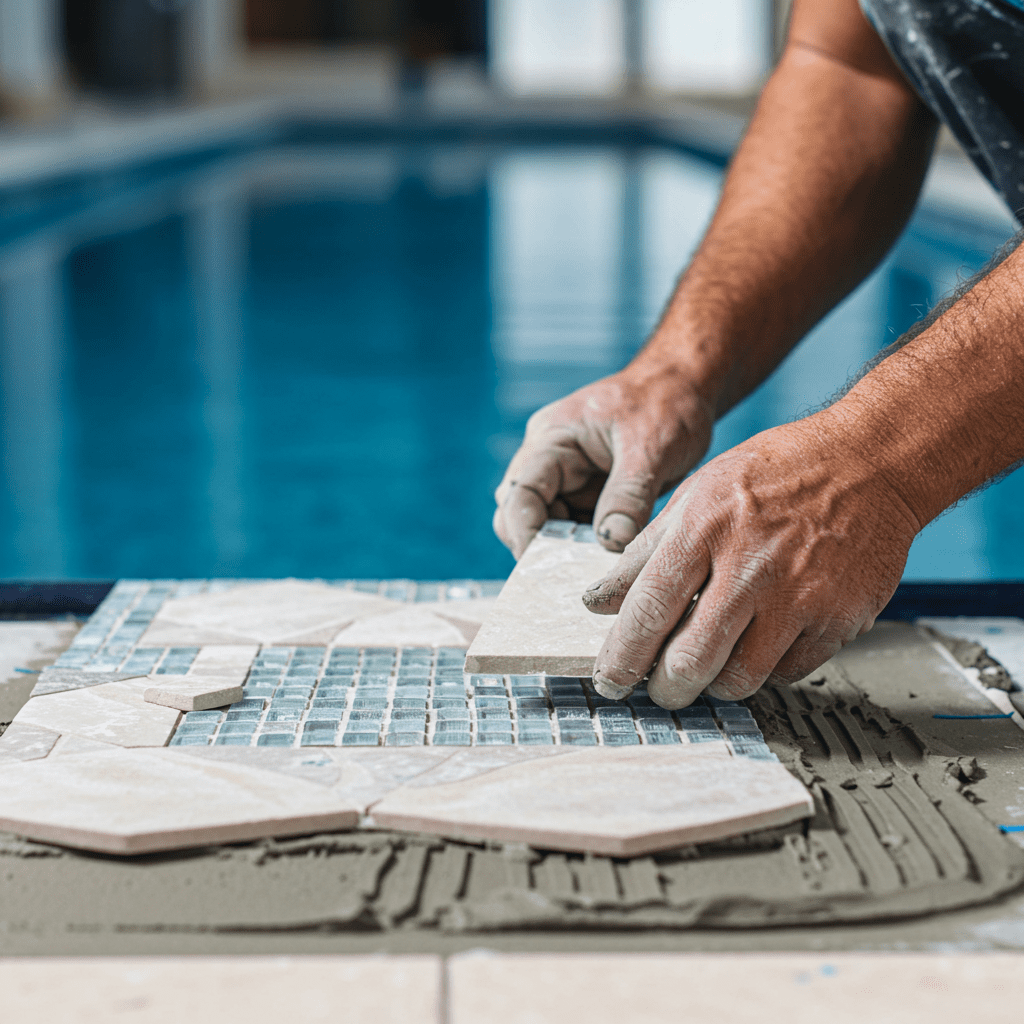
For pools that are due for waterproofing, this is also the ideal time to consider other upgrades such as new waterline tiles, updated pool coping, or refreshed pool surrounds, since the pool is already drained and the work area is accessible.

“The most cost-effective time to waterproof your pool is during a renovation or resurfacing project. Everything is already prepared and accessible, so adding waterproofing to the scope costs a fraction of what it would as a standalone job later.”

Pool Waterproofing vs Pool Resurfacing

Homeowners often ask whether they need waterproofing or resurfacing. In practice, the two are closely connected.

Pool waterproofing is the functional outcome: preventing water from passing through the pool shell.

Pool resurfacing is one of the methods used to achieve that outcome, along with improving the pool’s appearance and feel.

A full pool resurfacing project always includes waterproofing as part of the process, because the new surface is what creates the waterproof barrier. However, waterproofing can sometimes be addressed with targeted repairs (crack filling, localised resealing) without a full resurface if the existing surface is still in reasonable condition overall.

For a detailed breakdown of what resurfacing involves and what it costs, see our pool resurfacing cost guide and pool renovations cost guide.

Get Started Today

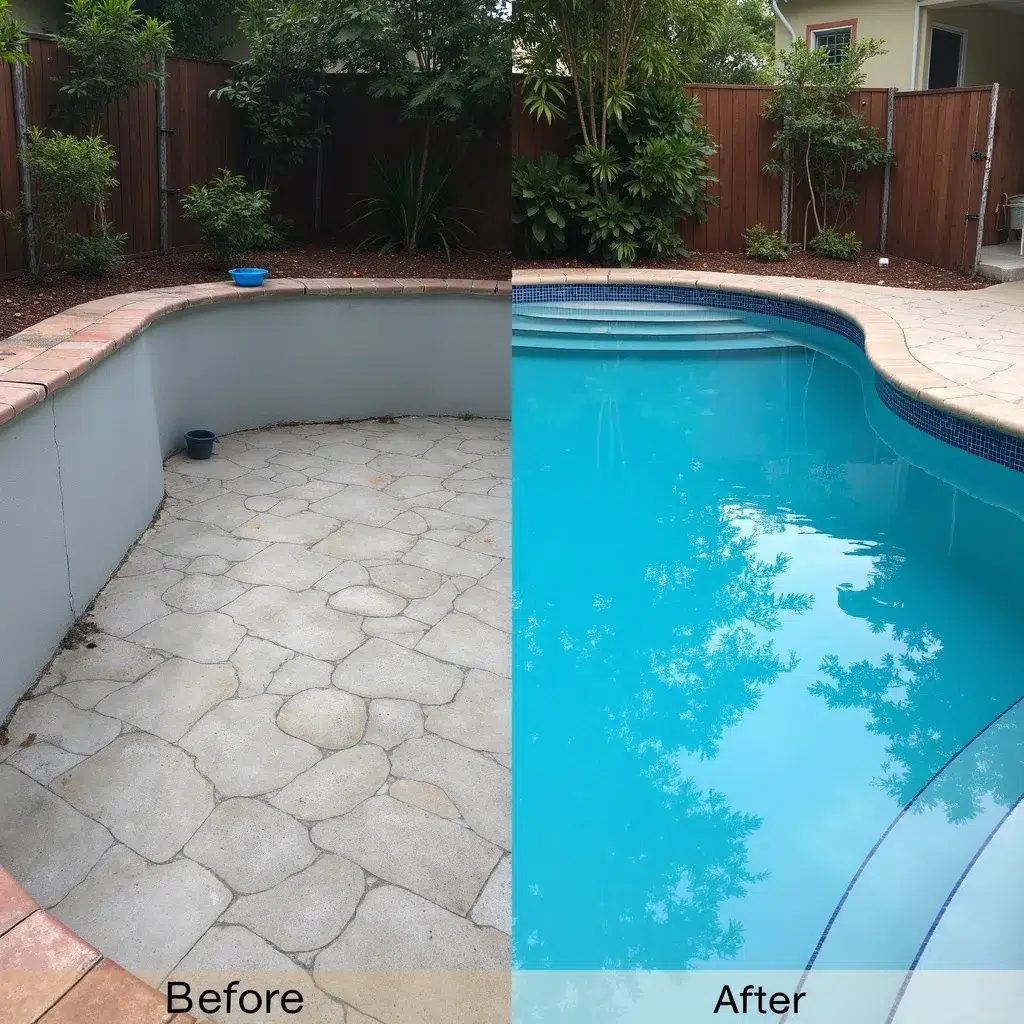
Request your free, detailed quote now. We’ll inspect your pool, discuss tile options, explain the complete process, and provide transparent pricing with no hidden costs.

Call us or contact our team to schedule your consultation. We serve all Sydney areas including Western Sydney, The Hills, Northern Sydney, Eastern Sydney, and Southern Sydney.

Visit our gallery to see completed retiling projects and the transformations we’ve delivered for Sydney homeowners.

Additional Pool Renovation Resources

Explore more ways to enhance your swimming pool:

View all our services and areas we service across Sydney.

Contact Us for a Free Consultation

Servicing all areas including Western Sydney, Northern Sydney, Eastern Sydney, and Southern Sydney.

Want to learn more about pool maintenance and upgrades? Explore our complete range of services or read our latest pool care articles.


About Advance Pool Painting: As Sydney’s trusted pool renovations, Painting repair and maintenance service provider, we help homeowners maximize their pool investment through expert renovations, heating solutions, and comprehensive maintenance services across all Sydney regions.

Frequently Asked Questions

Q1. What is pool waterproofing?

Pool waterproofing is the process of sealing and protecting the interior surface of a swimming pool to prevent water from penetrating through the concrete shell into the surrounding ground. This is achieved through protective coatings such as epoxy or chlorinated rubber pool paint, resurfacing finishes like pebblecrete or render, fibreglass relining, or a combination of surface repair and sealing. Every concrete pool relies on its interior finish as its primary waterproof barrier, and when that finish deteriorates from age, UV exposure, or chemical contact, water begins escaping through the shell.

Q2. How do I know if my pool needs waterproofing?

The most common signs are unexplained water loss beyond normal evaporation, cracks in the pool walls or floor that keep reappearing after patching, rough or peeling surfaces, damp or soft ground around the pool, persistent algae growth in specific spots, and staining that chemicals cannot remove. If your pool is more than 10 years old and has never been resurfaced or repainted, the waterproofing has likely deteriorated. A professional pool inspection will confirm whether work is needed.

Q3. How long does pool waterproofing last?

It depends on the method used. Epoxy pool paint typically provides waterproof protection for 7 to 10 years. Chlorinated rubber paint lasts 3 to 5 years. Pebblecrete and rendered finishes can last 15 to 20 years. Fibreglass relining lasts 15 to 20 years. The lifespan is also affected by water chemistry, UV exposure, and how well the pool is maintained. Keeping chemicals balanced and addressing small surface issues early extends the life of any waterproof finish. Our guide on pool resurfacing maintenance covers what to do after resurfacing.

Q4. Can you waterproof a pool without draining it?

No. Effective pool waterproofing requires the pool to be fully drained so the interior surface can be properly inspected, prepared, repaired, and recoated. Attempting to seal a pool from the water side or applying products to a wet surface will not create a durable waterproof barrier. The pool needs to be drained, the surface blasted or ground back to a clean substrate, cracks repaired, and then the new waterproof finish applied and cured before refilling.

Q5. What is the best waterproofing method for a concrete pool?

For most concrete pools in Sydney, the best waterproofing method depends on the pool's current condition and the owner's budget. Epoxy pool paint (such as Luxapool) offers excellent waterproofing with a smooth, clean finish and lasts 7 to 10 years. Pebblecrete resurfacing provides the longest-lasting waterproof barrier at 15 to 20 years with a durable, textured finish. For pools with significant structural damage, a full render and resurface may be needed to rebuild the waterproof barrier from scratch. A licensed pool renovation contractor can assess your pool and recommend the best approach.

Get the Quick Visual Guide

7 Mineral Pool Benefits That Could Save You $1000s Yearly

Explore Our Other Swimming Pool Services Services

Transform Your Pool with Expert Care – Get Your Free Quote

Contact us short form

Leave a Reply

Your email address will not be published. Required fields are marked *

0

Get Exclusive Discounts and More!

Join Our Newsletter

Sign up for our newsletter to stay updated on our latest pool cleaning and maintenance services. As a subscriber, you’ll receive exclusive discounts, special offers. Enter your email below to join our community!