Get a free quote:

Pool Care & Renovation Insights

Pool rendering Sydney

Pool Rendering Sydney: The Complete Guide for Pool Owners

Quick Overview:

Pool rendering in Sydney involves applying a cement, acrylic, or polymer-modified coating to your pool’s concrete shell. It creates a waterproof, smooth, and durable surface that protects against leaks, cracking, and chemical damage. Most Sydney pool owners need re-rendering every 10 to 15 years, with costs typically ranging from $50 to $120 per square metre depending on the render type and pool condition. Cement render works best as a base for tiled pools, while acrylic render suits standalone painted finishes due to its flexibility and crack resistance. A professional pool renovation contractor will assess the shell, repair structural damage, apply a bonding agent, and then apply the render in controlled coats before curing, finishing, and refilling the pool.

Pool rendering Sydney is one of those jobs that most pool owners do not think about until something goes wrong. A crack appears in the shell, the surface starts feeling rough underfoot, or the water level drops without explanation. By that point, the damage has usually been building for years beneath the surface.

If your pool is more than a decade old and you have never had the render inspected, there is a good chance it needs attention. This guide covers everything you need to know about pool rendering, from the different types available to the signs that your pool needs work, so you can make an informed decision before small issues turn into expensive repairs.
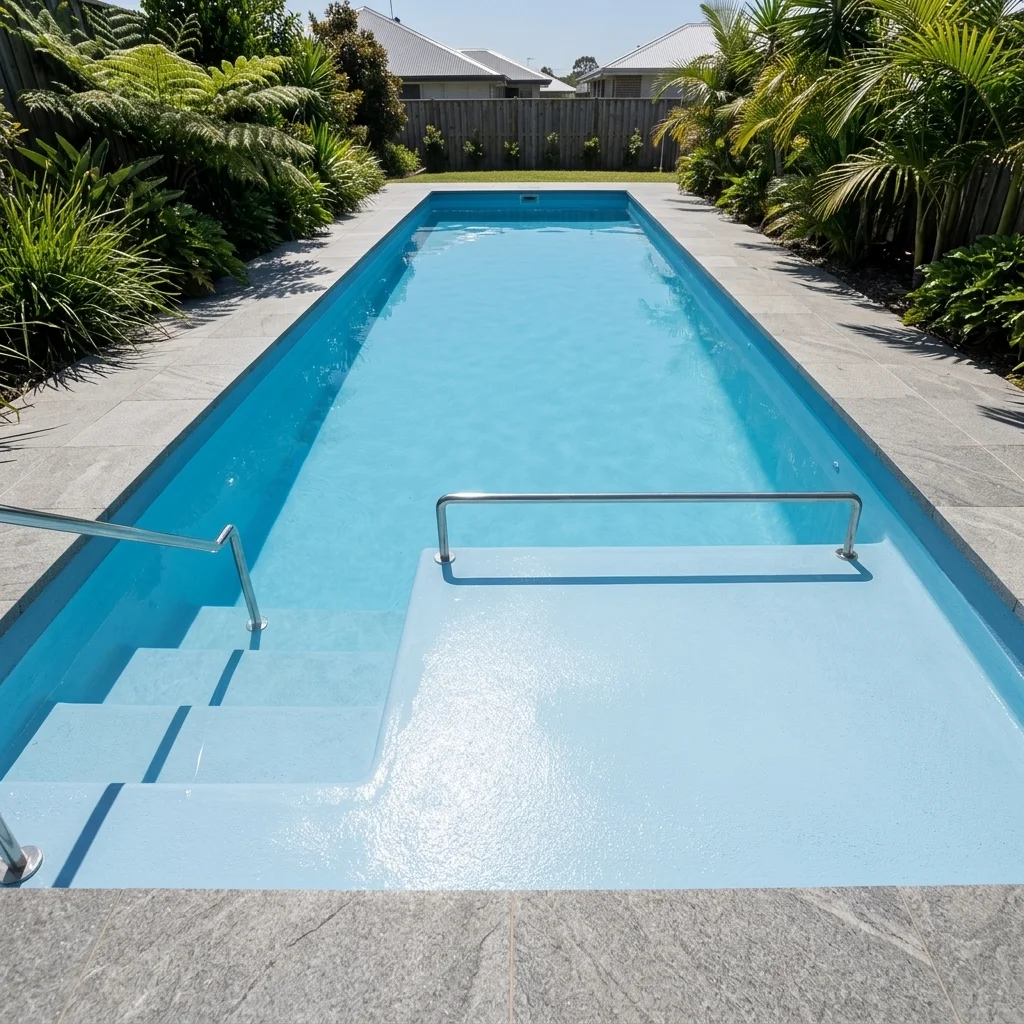
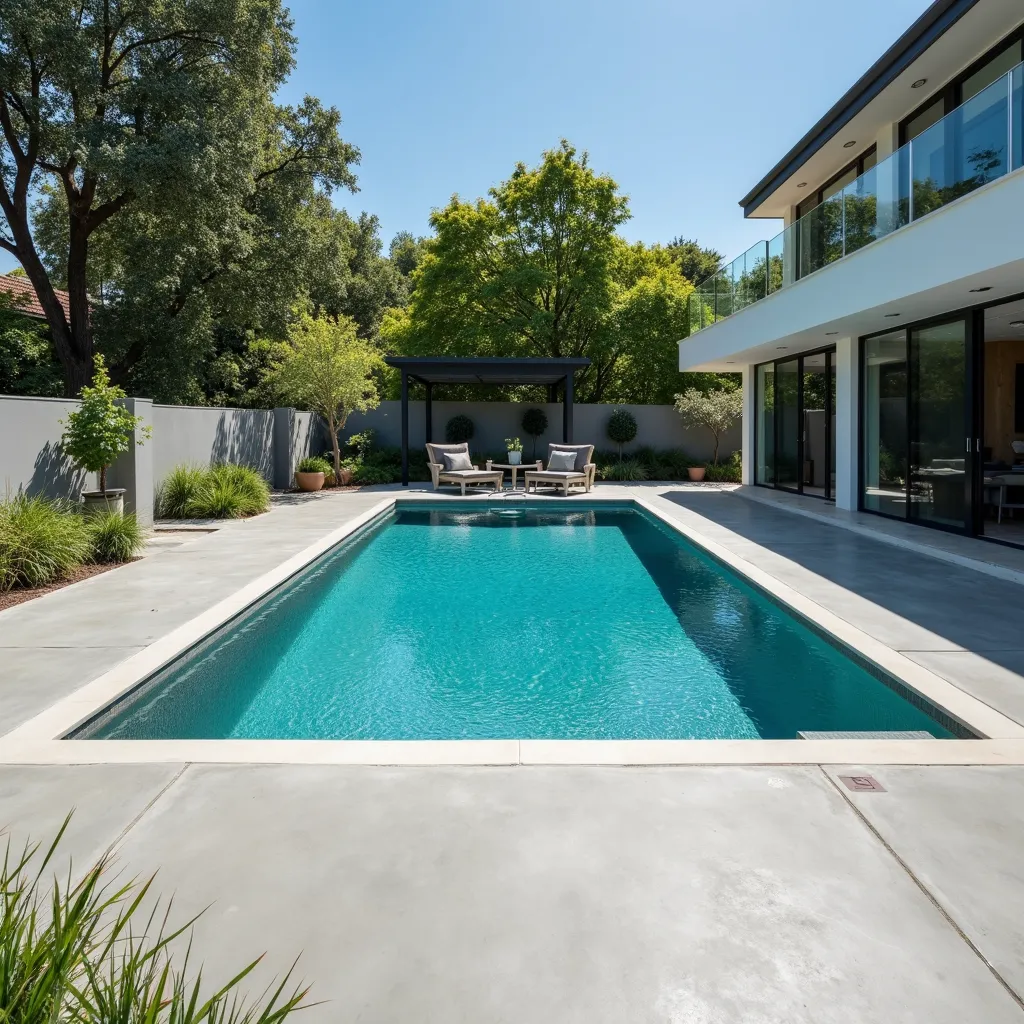
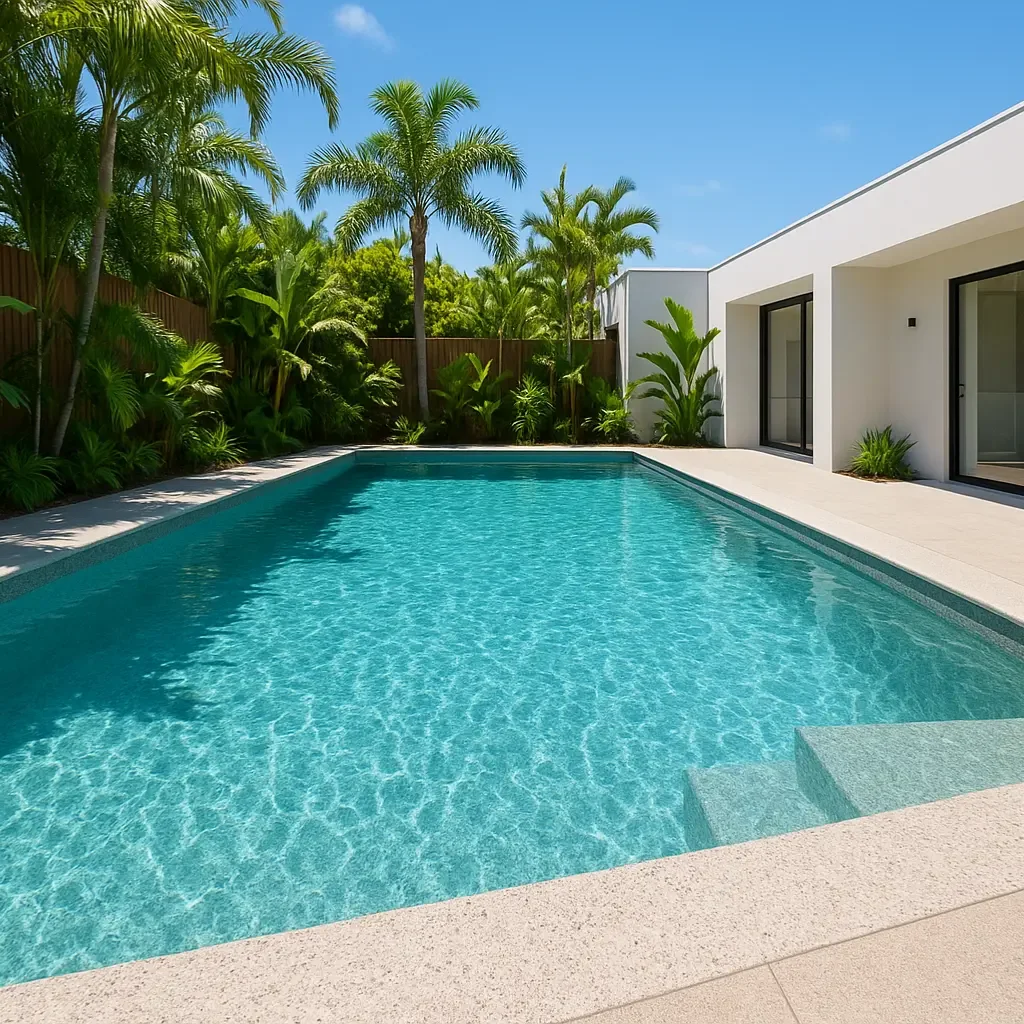
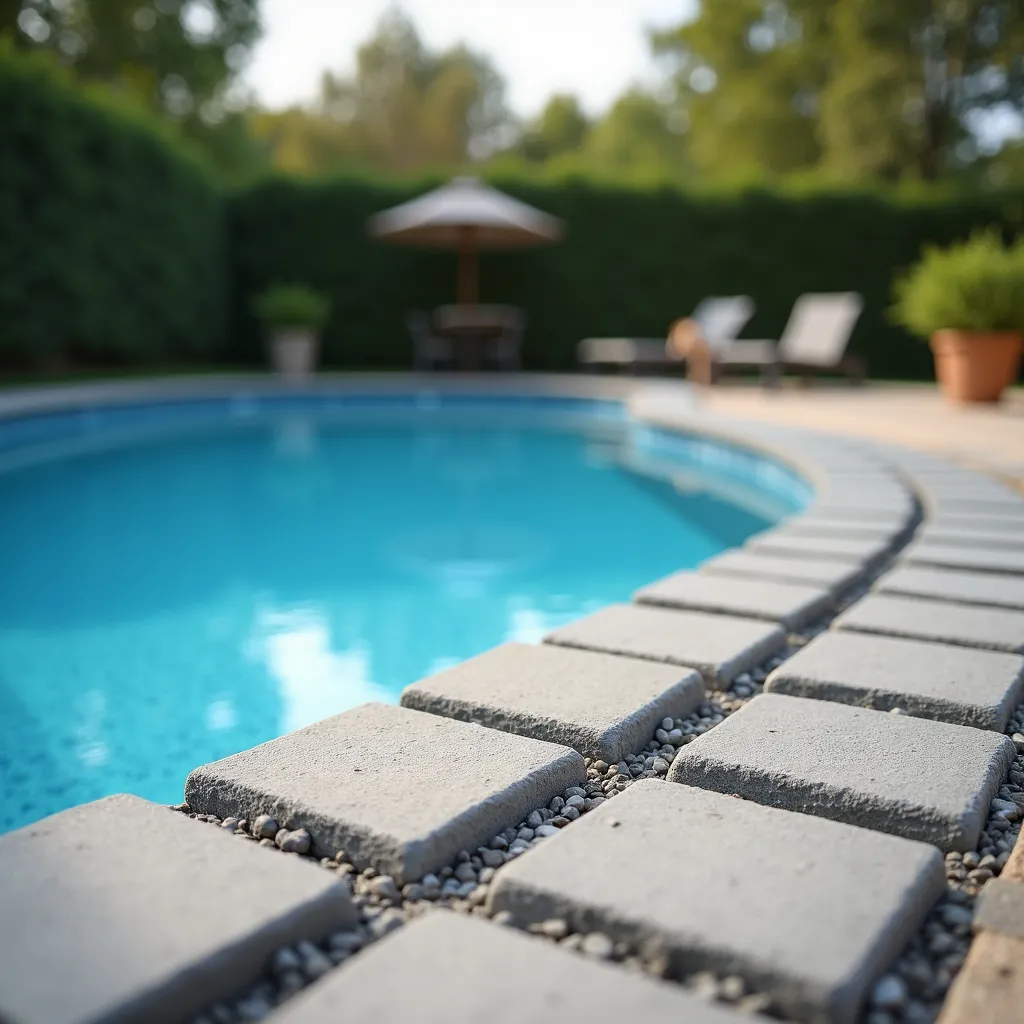
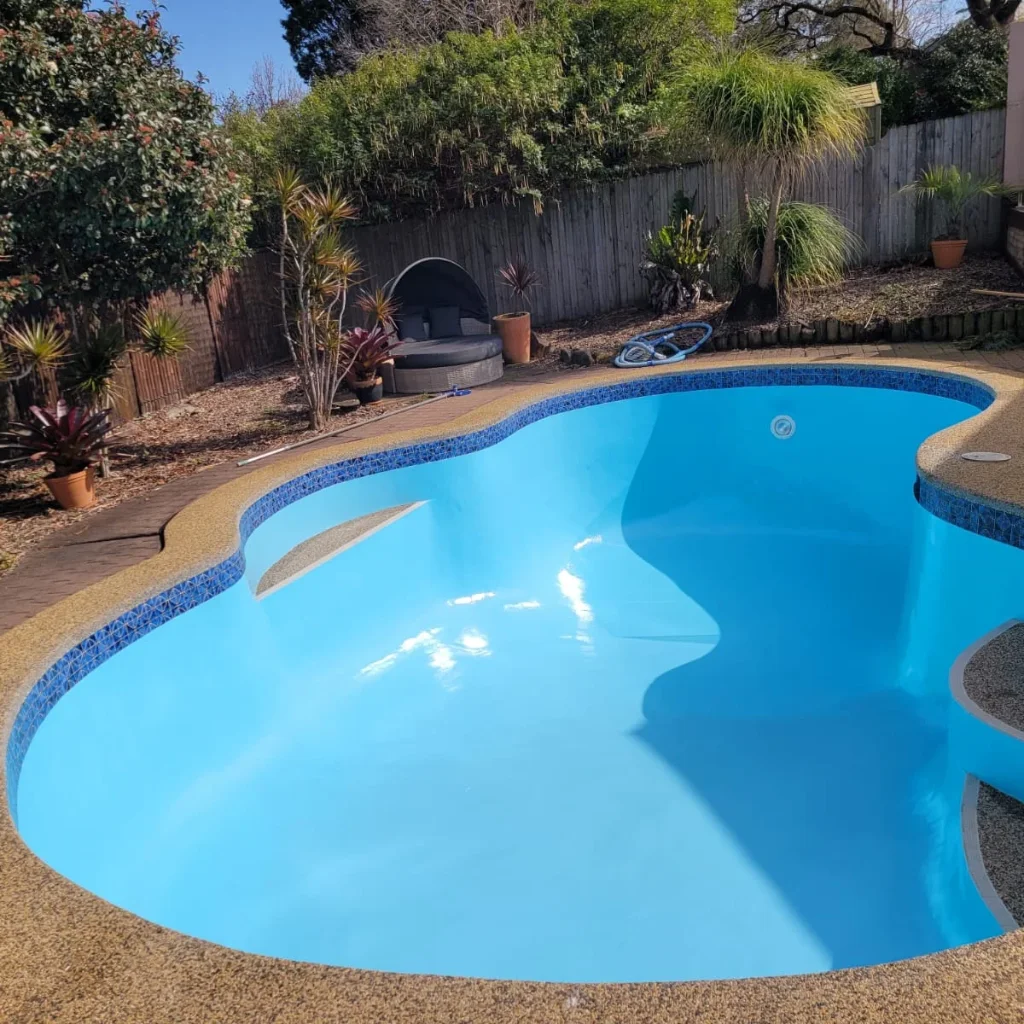
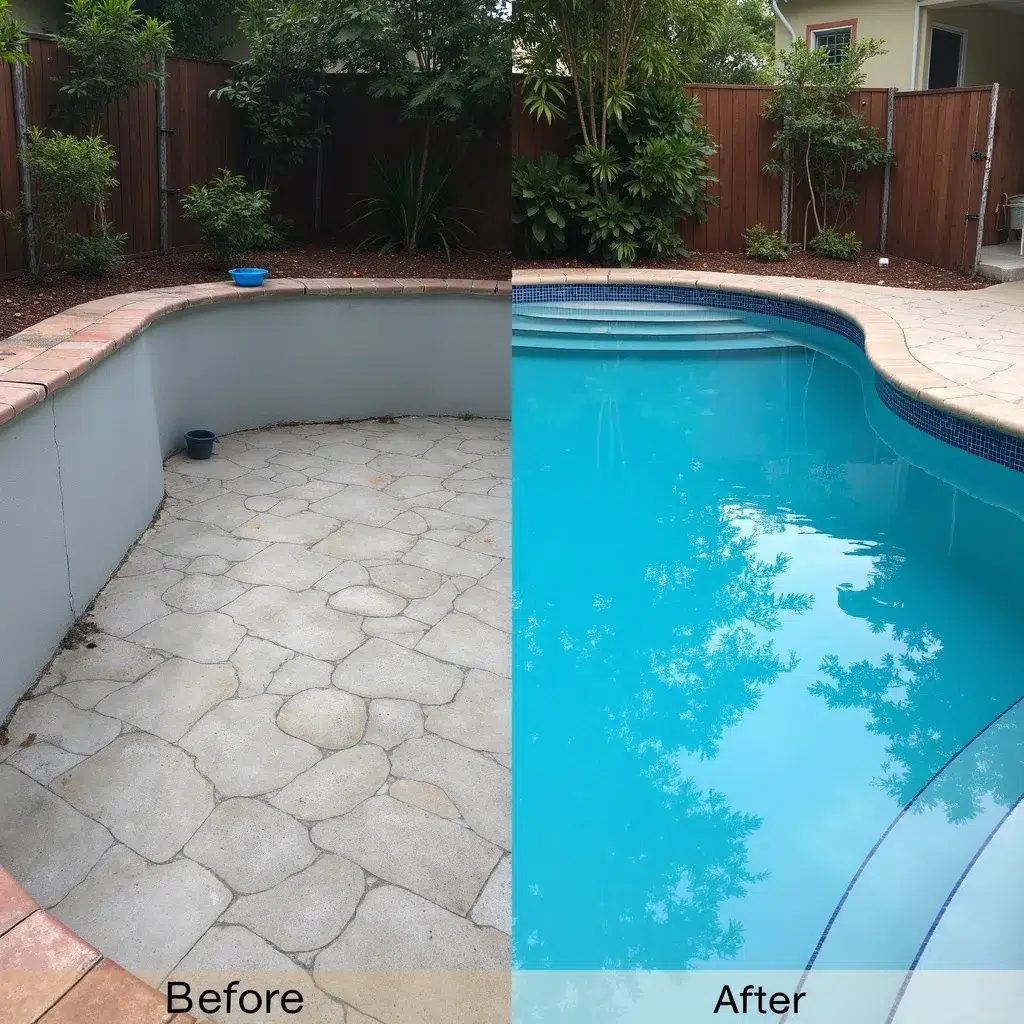
Pool rendering Sydney - freshly rendered concrete pool surface

What Is Pool Rendering and Why Does It Matter?

Pool rendering is the process of applying a protective coating over the concrete shell of a swimming pool. Think of it as the skin of your pool. Without it, the raw concrete is exposed directly to water, chlorine, ground movement, and Sydney’s harsh UV conditions. That combination breaks down unprotected concrete surprisingly fast.

The render serves three core purposes. First, it creates a waterproof barrier that prevents pool water from seeping into the substrate and causing structural damage. Second, it provides a smooth, even surface for tiling or painting. Third, it adds an extra layer of structural integrity that helps the pool shell resist cracking from hydrostatic pressure and soil movement.

“Most pool owners only discover rendering problems when they notice water loss or surface damage. By then, what could have been a straightforward re-render often involves crack repairs and shell restoration as well.”

Types of Pool Rendering Used in Sydney

Not all pool renders are the same, and the right choice depends on your pool type, budget, and what finish you plan to apply on top. Here is a breakdown of the three main options used by pool renovation contractors in Sydney.

Render TypeBest ForLifespanEst. Cost (per m²)
Cement RenderTiled pool interiors10 to 15 years$50 to $75
Acrylic RenderPainted or standalone finishes12 to 18 years$70 to $100
Polymer-Modified RenderHigh-movement or older pools15 to 20 years$90 to $120

Cement render is the traditional choice and is still the most common option for pools that will be tiled. It is a mix of cement, sand, and waterproofing additives that creates a solid, rigid base. It is affordable and reliable, but it is more prone to cracking than modern alternatives.

Acrylic render includes plastic polymers mixed into the cement base, which gives it significantly more flexibility. This flexibility means it is far less likely to crack when the pool shell moves due to ground pressure or temperature changes. It also provides superior moisture resistance, making it a great choice for pools that will be painted rather than tiled.

Polymer-modified render is the premium option. It combines the strength of cement with advanced polymer technology that allows the render to expand and contract without cracking. This is particularly useful for older pools in Sydney where the concrete shell has already shifted over time.

6 Signs Your Sydney Pool Needs Re-Rendering

Not sure whether your pool render is still doing its job? Here are the most common warning signs that experienced swimming pool renovation contractors look for during an inspection.

  1. Visible cracks in the pool walls or floor that keep reappearing after patching. Small hairline cracks can be normal, but anything wider than a credit card typically signals a deeper rendering issue.
  2. Unexplained water loss beyond normal evaporation. If you are topping up the pool more often than usual, damaged render may be allowing water to seep through the shell. A pool leak detection service can confirm this.
  3. Rough, pitted, or peeling surfaces that feel abrasive when you run your hand across them. This means the render is breaking down and losing its protective qualities.
  4. Persistent algae growth in specific spots, especially in corners or along the waterline. Deteriorated render creates tiny pores where algae can take hold and resist normal chemical treatment.
  5. Hollow sounds when tapping the surface. This indicates the render has delaminated and separated from the concrete shell underneath. It is one of the most serious warning signs.
  6. Staining or discolouration that chemicals cannot remove. This often points to mineral deposits leaching through compromised render from the substrate below.

If you are noticing any of these, it is worth getting a professional pool inspection before the damage progresses further.
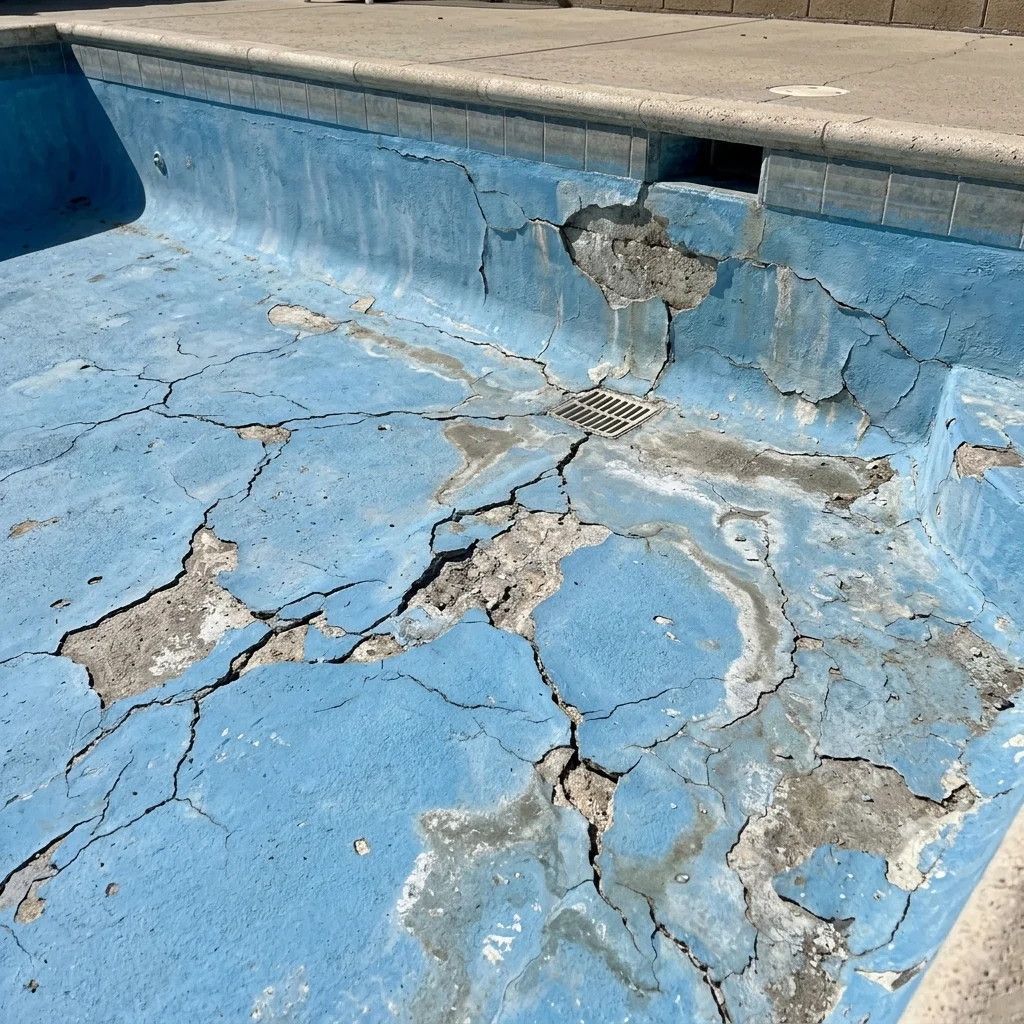
Cracked and deteriorating pool render surface needing re-rendering in Sydney

Pool Rendering at a Glance

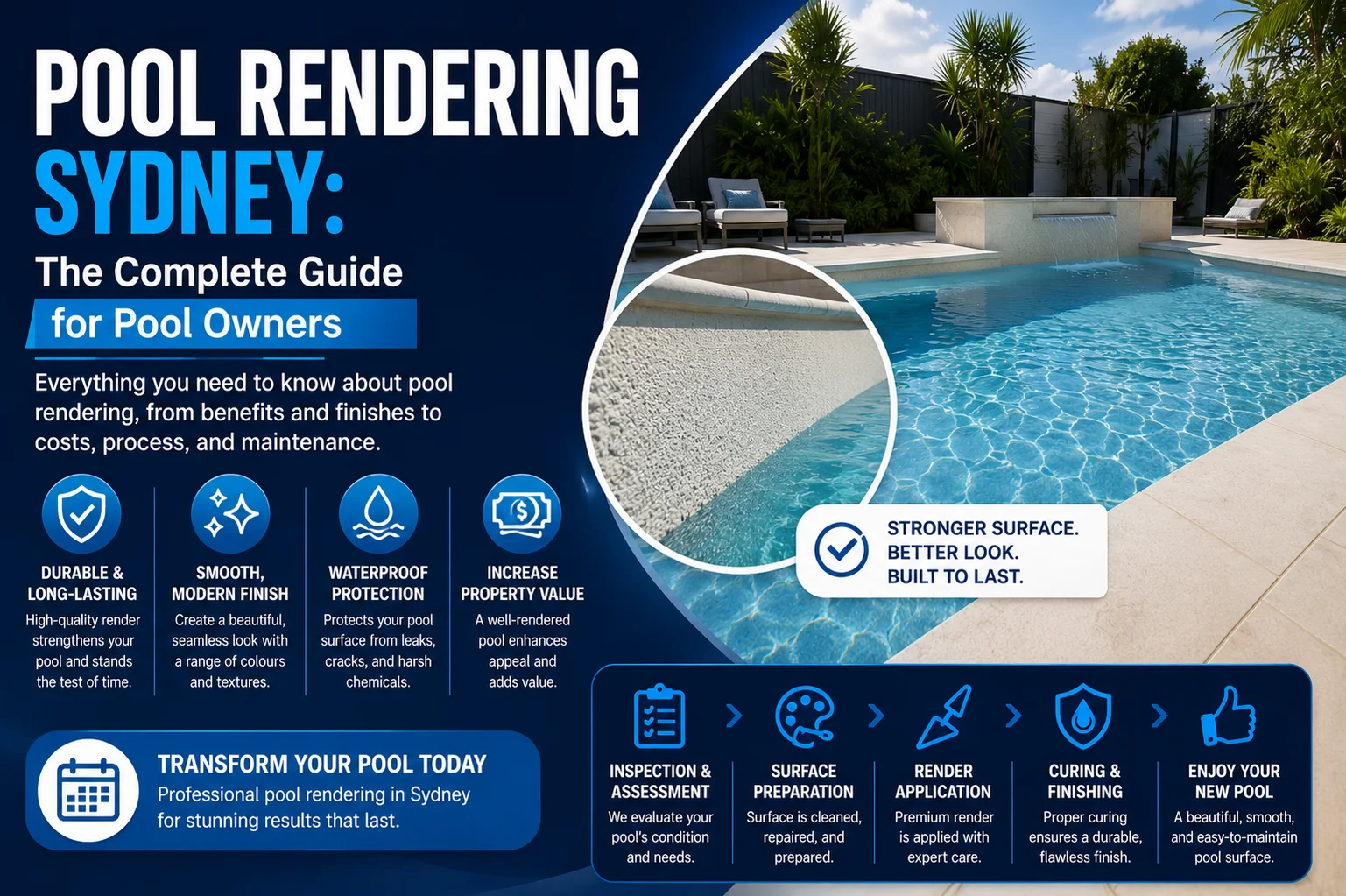
The infographic below breaks down the pool rendering process, the differences between cement and acrylic renders, and the key warning signs to watch for.
Pool Rendering in Sydney: What Every Pool Owner Should Know

A visual guide to pool rendering types, process, and warning signs from Advance Pool Painting

The Pool Rendering Process

1

Drain and Inspect

The pool is fully drained and the existing shell is assessed for structural damage, cracks, and hollow spots.

2

Surface Preparation

Old render, loose material, and debris are removed using hydro blasting or mechanical grinding to expose a clean substrate.

3

Crack Repair and Priming

Structural cracks are filled and reinforced. A bonding agent is then applied to help the new render adhere properly.

4

Render Application

The chosen render mix (cement or acrylic) is applied evenly across the pool walls and floor in controlled coats.

5

Curing and Finishing

The render is left to cure fully. Once set, the surface is smoothed, finished, and the pool is refilled and balanced.

Cement vs Acrylic Rendering

Cement Render

  • Traditional and widely used
  • Excellent base for tiling
  • Strong and rigid finish
  • More affordable upfront
  • Best for: tiled pools

Acrylic Render

  • Flexible and crack-resistant
  • Superior moisture barrier
  • UV and chemical resistant
  • Can be a standalone finish
  • Best for: painted or bare pools

6 Warning Signs Your Pool Needs Re-Rendering

Visible Cracks in the Shell

💧

Unexplained Water Loss

🪨

Rough or Peeling Surface

🟢

Persistent Algae Growth

🔘

Hollow Spots When Tapped

🎨

Staining or Discolouration

How Pool Rendering Works: The Step-by-Step Process

Professional pool rendering is not something you can rush. When done properly, the process typically takes between 5 and 10 days depending on the size of the pool and the extent of any repairs needed. Here is what to expect.

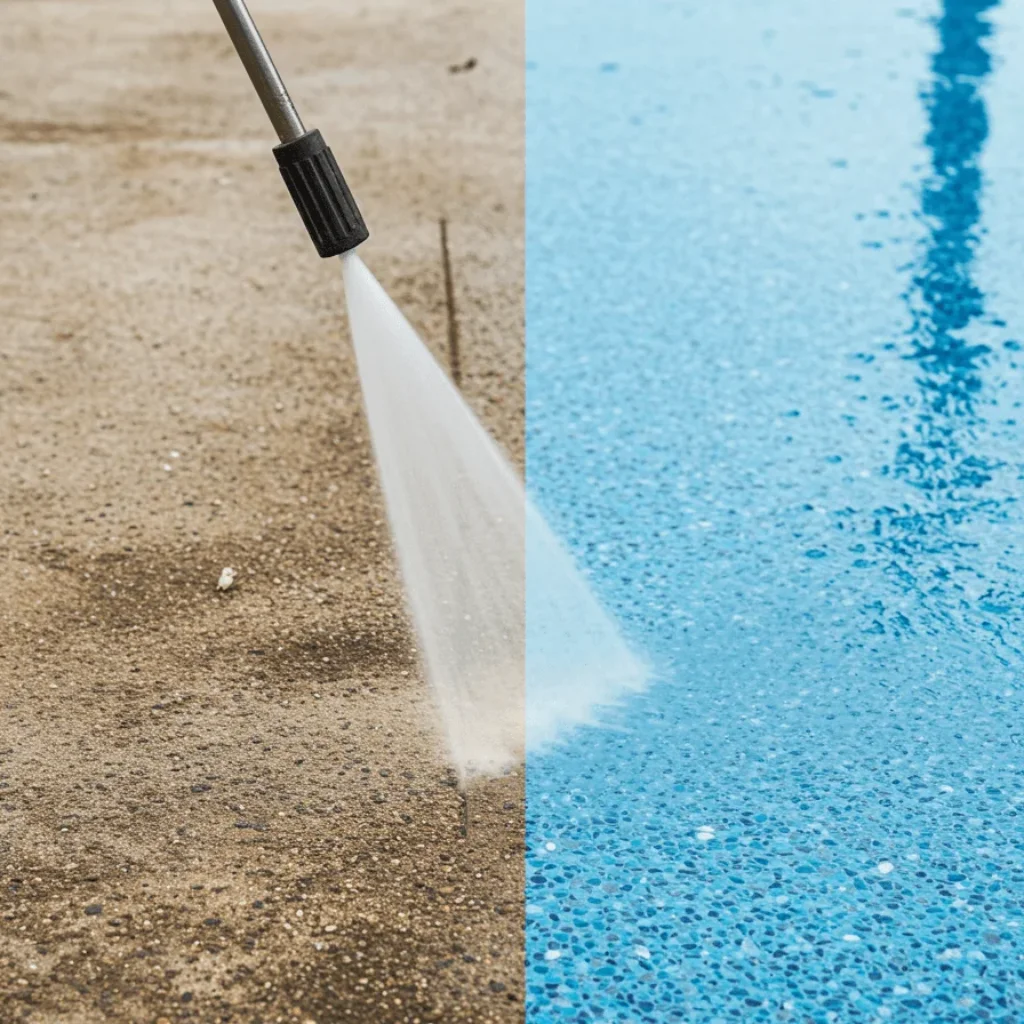
The pool is first drained completely and the existing surface is inspected for structural issues. Any old render, loose tiles, or damaged material is removed through hydro blasting or mechanical grinding. The goal is to get back to a clean, stable concrete substrate.

Next, any cracks or structural damage are repaired. This is a critical step that separates quality work from a quick fix. Skipping proper crack repair means the new render will fail in the same spots within a few years. Once repairs are complete, a bonding agent is applied across the entire shell to help the new render adhere properly.

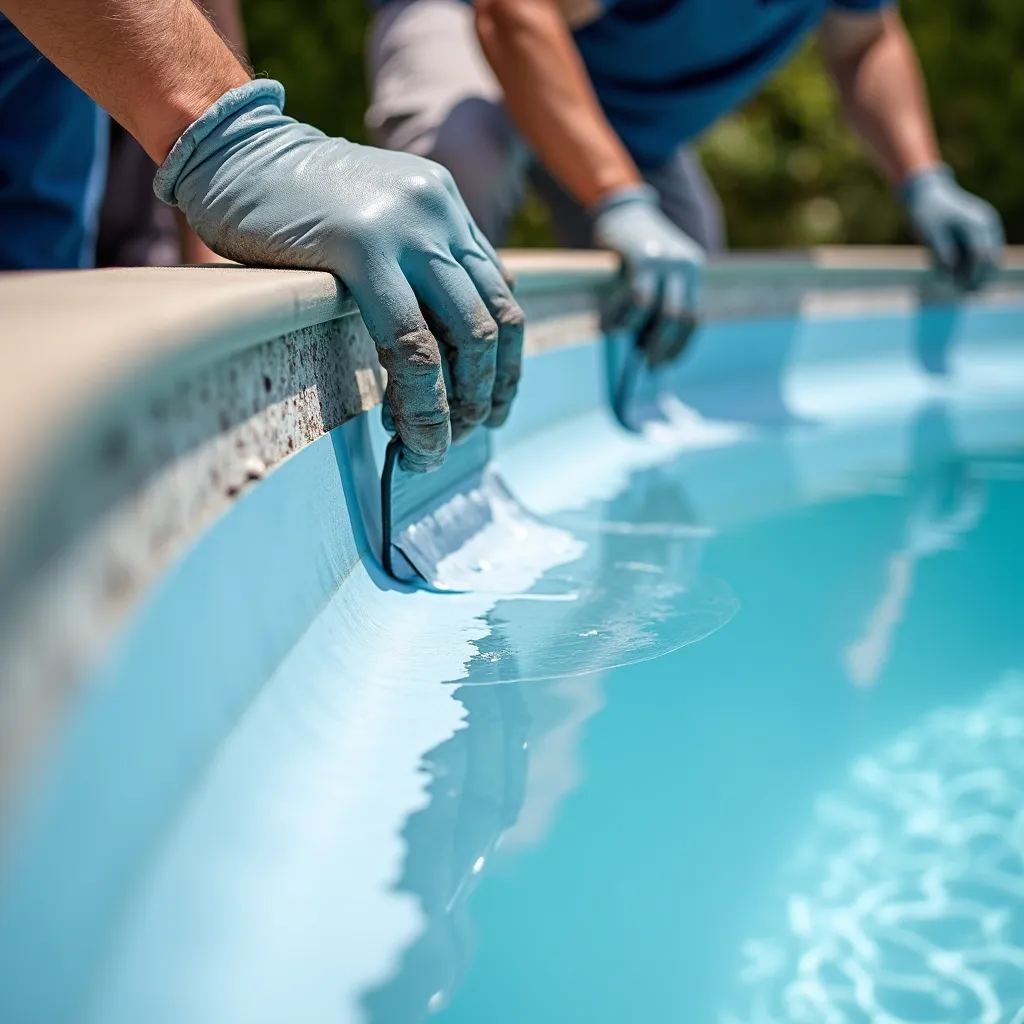
The render mix is then applied in even, controlled coats. Most contractors apply two coats, allowing each to partially set before the next is applied. After the final coat, the render needs to cure for several days before the pool can be filled.

“The difference between a pool render that lasts 8 years and one that lasts 15 years almost always comes down to surface preparation. Cutting corners on prep work is the number one reason renders fail prematurely.”

What Comes After Pool Rendering?

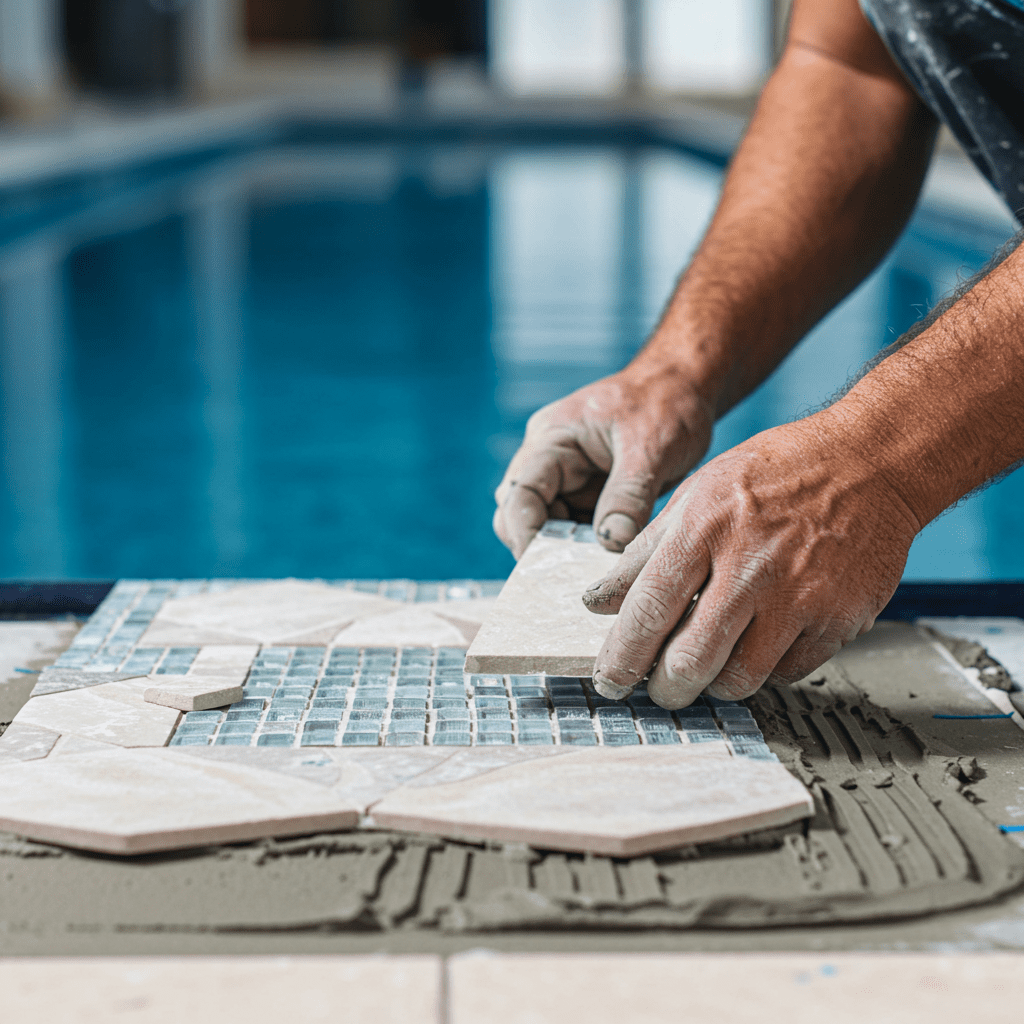
Once the render is cured, you have several options for the final finish. Many Sydney pool owners choose to apply a pebblecrete or aggregate finish for a natural look and textured grip. Others opt for epoxy pool paint for a clean, modern appearance. You can also install full mosaic or porcelain tiling or add new waterline tiles to refresh the look.

If you are planning a broader renovation, this is also the ideal time to address pool copingpaving, or concrete pool surrounds since the pool is already drained and the work area is accessible.

How Much Does Pool Rendering Cost in Sydney?

The total cost depends on the pool size, the type of render, and how much preparation and repair work is needed. As a rough guide, a standard backyard pool in Sydney (around 30 to 50 square metres of surface area) will typically cost between $2,500 and $6,000 for a full re-render.

For a more detailed breakdown of renovation costs including rendering, resurfacing, and finishing, check out our pool resurfacing cost guide or our pool renovations cost breakdown.

Keep in mind that the cheapest quote is rarely the best value. A render that fails in 5 years because of poor preparation will cost far more in the long run than paying a bit extra for a licensed pool renovation company that does the job properly the first time.

Get Started Today

Request your free, detailed quote now. We’ll inspect your pool, discuss tile options, explain the complete process, and provide transparent pricing with no hidden costs.

Call us or contact our team to schedule your consultation. We serve all Sydney areas including Western Sydney, The Hills, Northern Sydney, Eastern Sydney, and Southern Sydney.

Visit our gallery to see completed retiling projects and the transformations we’ve delivered for Sydney homeowners.

Additional Pool Renovation Resources

Explore more ways to enhance your swimming pool:

View all our services and areas we service across Sydney.

Contact Us for a Free Consultation

Servicing all areas including Western Sydney, Northern Sydney, Eastern Sydney, and Southern Sydney.

Want to learn more about pool maintenance and upgrades? Explore our complete range of services or read our latest pool care articles.


About Advance Pool Painting: As Sydney’s trusted pool renovations, Painting repair and maintenance service provider, we help homeowners maximize their pool investment through expert renovations, heating solutions, and comprehensive maintenance services across all Sydney regions.

Frequently Asked Questions

Q1. How long does pool rendering take to complete?

Most pool rendering jobs in Sydney take between 5 and 10 working days from draining to refilling. The timeline depends on the size of the pool, the extent of crack repairs needed, and the type of render used. Acrylic renders tend to cure faster than traditional cement renders. Weather can also affect the schedule, as the render should not be applied in heavy rain or extreme heat.

Q2. Can you render over existing pool tiles?

No. Tiles need to be fully removed before new render is applied. Rendering over tiles creates adhesion problems because the render cannot bond properly to a glazed tile surface. The tiles are removed, the old adhesive is ground off, and the concrete substrate is cleaned and primed before any new render goes on. If you are looking to update the tiles themselves, check out our pool retiling guide.

Q3. What is the difference between pool rendering and pool resurfacing?

Rendering refers specifically to the base coat applied to the concrete shell. Resurfacing is a broader term that covers the entire process of renewing the pool's interior surface, which may include rendering plus a finishing layer such as pebblecrete, paint, or tiles. In most full pool renovations, rendering is one step within the larger resurfacing process.

Q4. How often should a pool be re-rendered in Sydney?

A quality pool render in Sydney typically lasts 10 to 15 years, though this varies depending on the render type, water chemistry, and how well the pool is maintained. Pools with poorly balanced chemicals (especially low pH) will degrade render faster. Keeping up with regular pool maintenance and chemical balancing extends the life of your render significantly.

Q5. Is it worth rendering a fibreglass pool?

Fibreglass pools have a gelcoat finish rather than render, so the process is different. They do not require traditional cement or acrylic rendering. Instead, fibreglass pools are resurfaced using specialised fibreglass coatings. If your fibreglass pool surface is fading, blistering, or becoming rough, talk to a specialist about fibreglass-specific resurfacing rather than rendering.

Get the Quick Visual Guide

7 Mineral Pool Benefits That Could Save You $1000s Yearly

Explore Our Other Swimming Pool Services Services

Transform Your Pool with Expert Care – Get Your Free Quote

Contact us short form

Leave a Reply

Your email address will not be published. Required fields are marked *

0

Get Exclusive Discounts and More!

Join Our Newsletter

Sign up for our newsletter to stay updated on our latest pool cleaning and maintenance services. As a subscriber, you’ll receive exclusive discounts, special offers. Enter your email below to join our community!