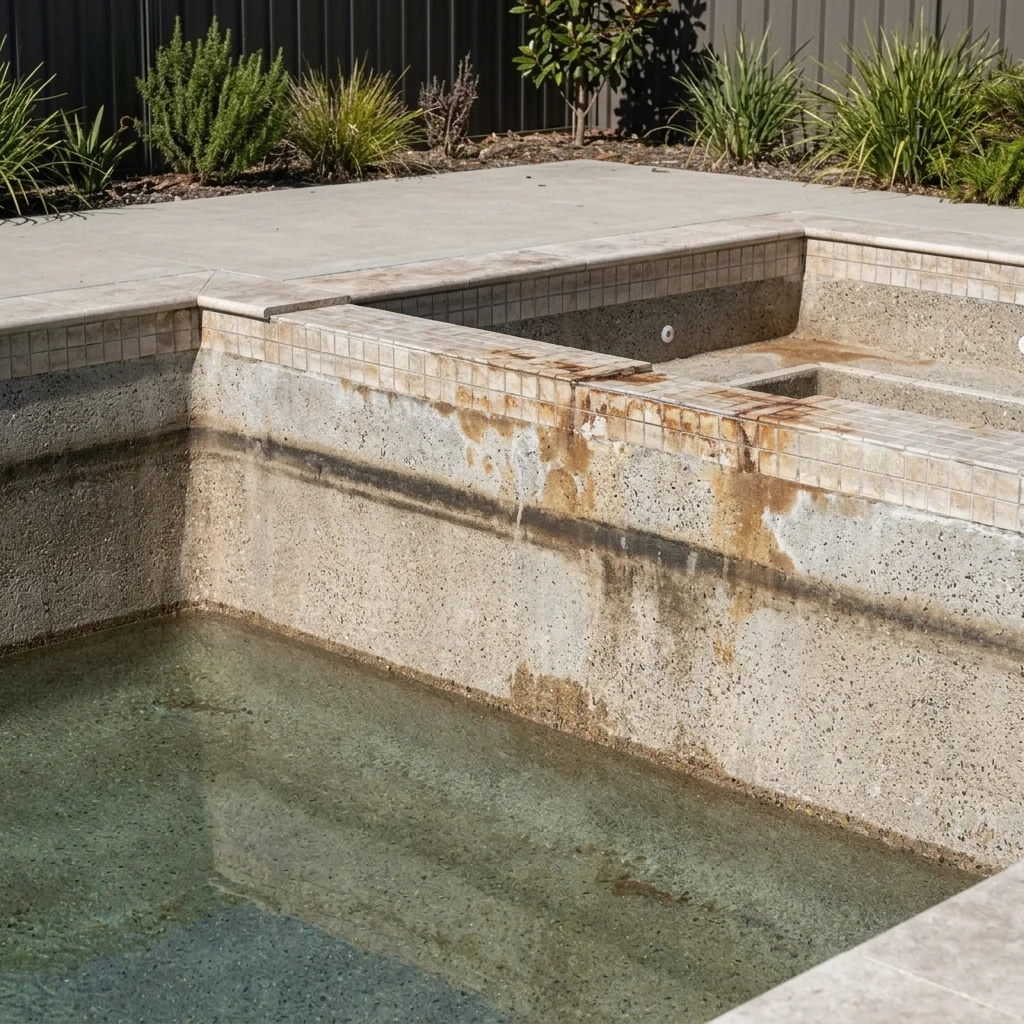
A leaking pool in Sydney is not just an inconvenience. It is a cost that compounds every single day it goes unaddressed. Water loss adds up on your bill. Soil movement under the shell puts pressure on the structure. And a surface that has been sitting wet and dry in cycles accelerates its own deterioration.
Pool leak repairs in Sydney are one of the most common calls a pool renovation and resurfacing company receives, and in many cases the leak is just the visible symptom of a surface that has reached the end of its protective life.
Here is what you actually need to know before calling anyone.
How Do You Know If Your Pool Is Actually Leaking?
Not every drop in water level means you have a leak. Sydney pools lose water to evaporation every day, particularly in summer. The question is how much.
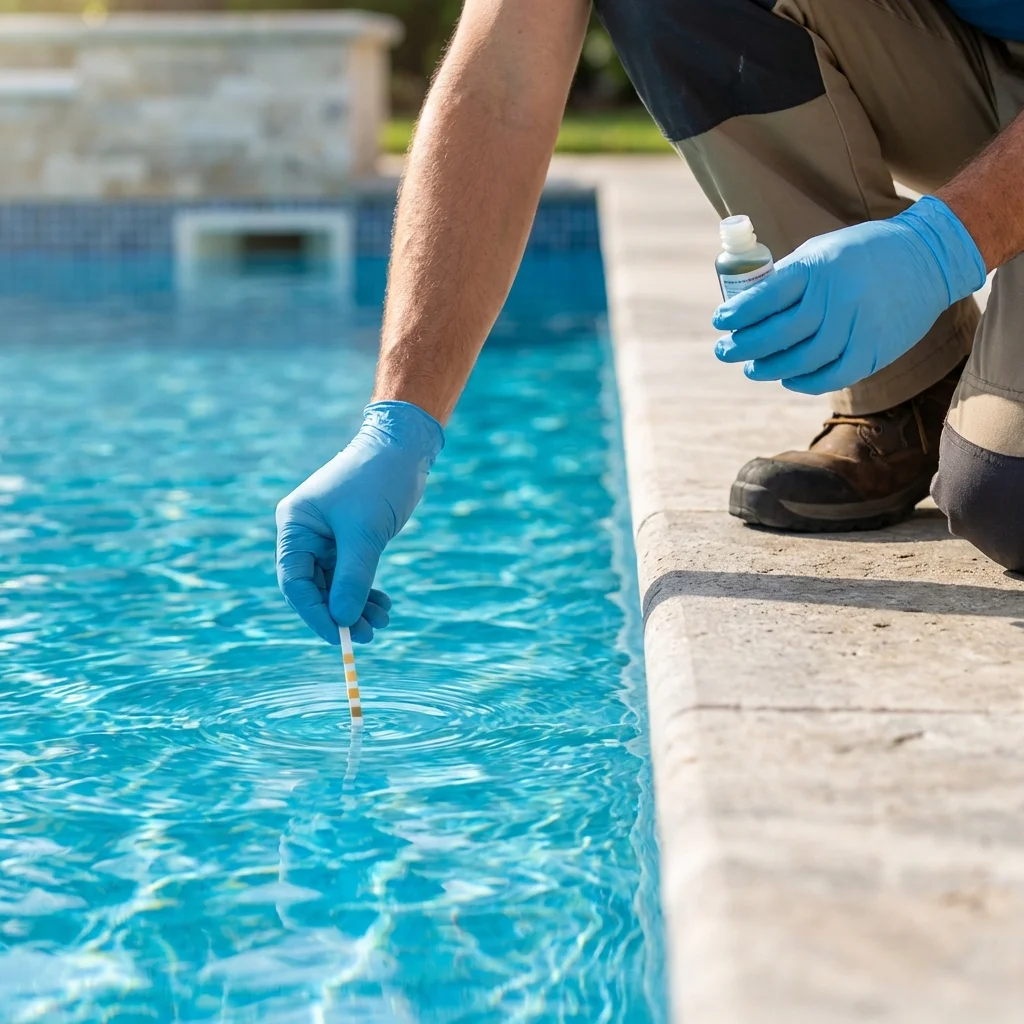
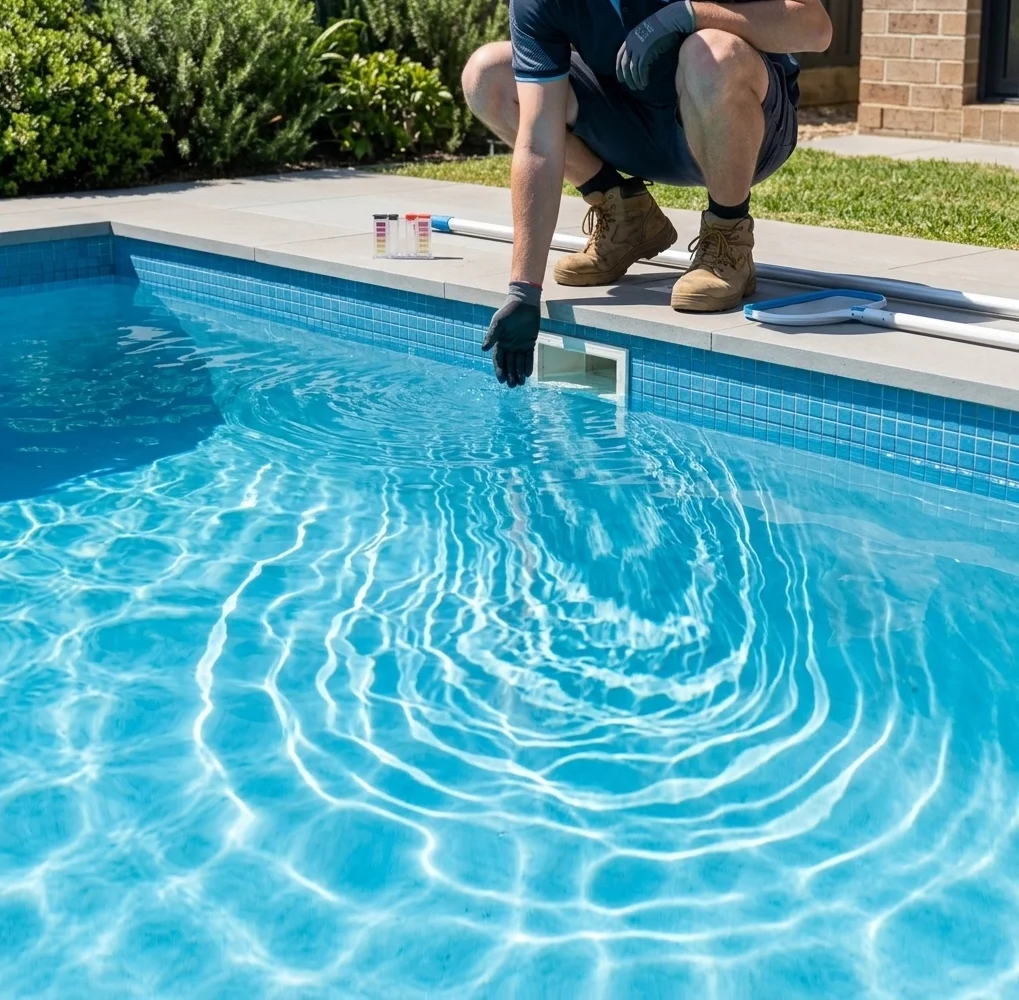
The Bucket Test is the simplest way to tell:
- Fill a bucket with pool water and place it on the first or second step of the pool
- Mark the water level inside the bucket and on the pool wall
- Leave it for 24 to 48 hours without running the pool pump
- Compare the drop inside the bucket against the drop in the pool
If the pool has lost significantly more water than the bucket, you almost certainly have a leak.
Other signs to watch for:
- Needing to top up the pool more than twice a week
- Wet patches or soggy soil around the pool edge or equipment area
- Visible cracks or gaps along the waterline, coping, or shell
- Increased chemical consumption as fresh water dilutes your balance
- Pool equipment running harder than usual to compensate for low water levels
If two or more of these apply at the same time, do not wait. The longer a structural leak goes unaddressed, the more expensive the eventual repair becomes.
What Causes Pool Leaks in Sydney?
Understanding the cause is critical because the right repair depends entirely on where the water is escaping from.
Structural cracks in the shell: Concrete pools are susceptible to cracking over time due to ground movement, thermal expansion and contraction, and surface deterioration. Sydney’s clay-heavy soils in western and north-western suburbs are particularly prone to ground movement after heavy rain followed by dry periods. Small hairline cracks can be patched, but widespread cracking usually indicates the surface has reached the end of its useful life.
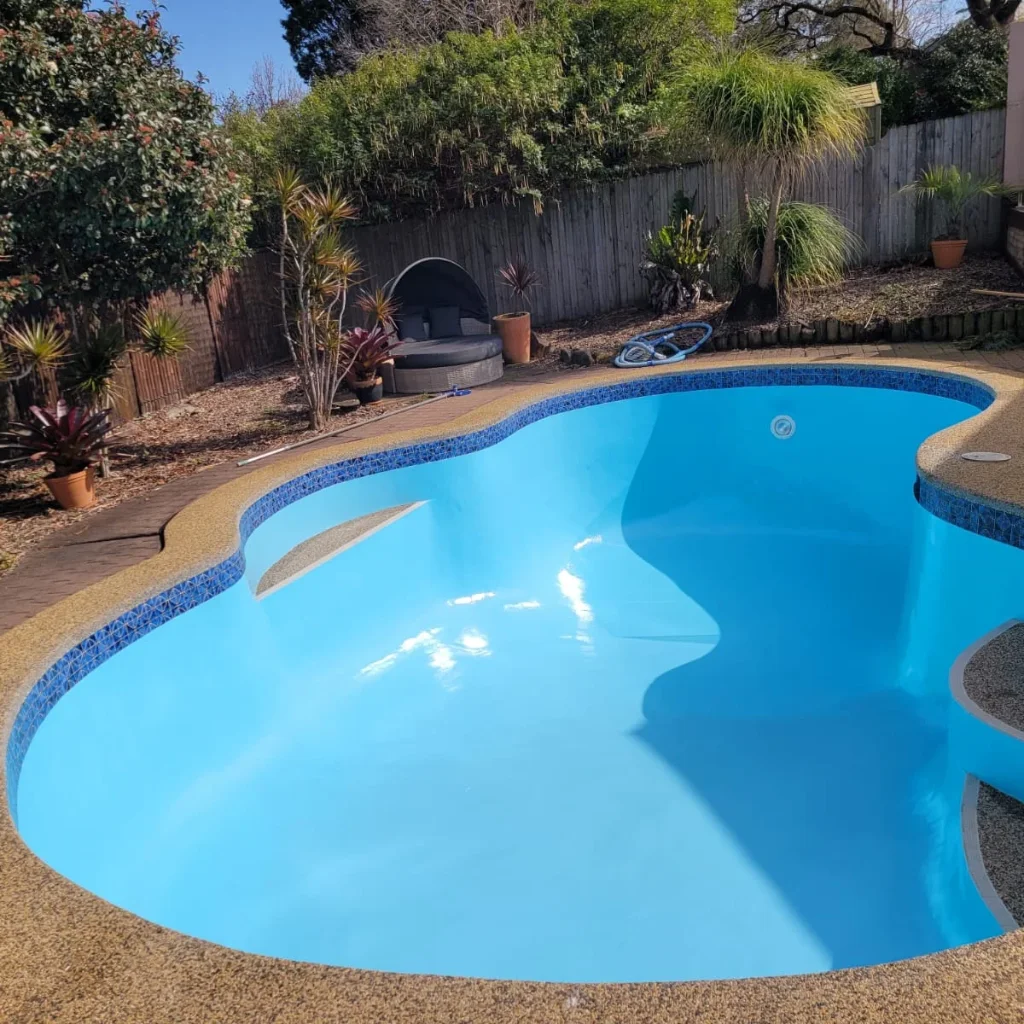
Deteriorated pool surface: Once a painted or plastered pool surface becomes porous, water can work its way through the shell itself. This is not always a visible crack but a gradual seepage through the surface. It is most common in concrete pools where the protective paint or plaster layer has not been maintained.
Failing skimmer box seals: The join between the skimmer box and the pool shell is one of the most common leak points, particularly in older concrete pools. The sealant around this join breaks down over time and allows water to escape.
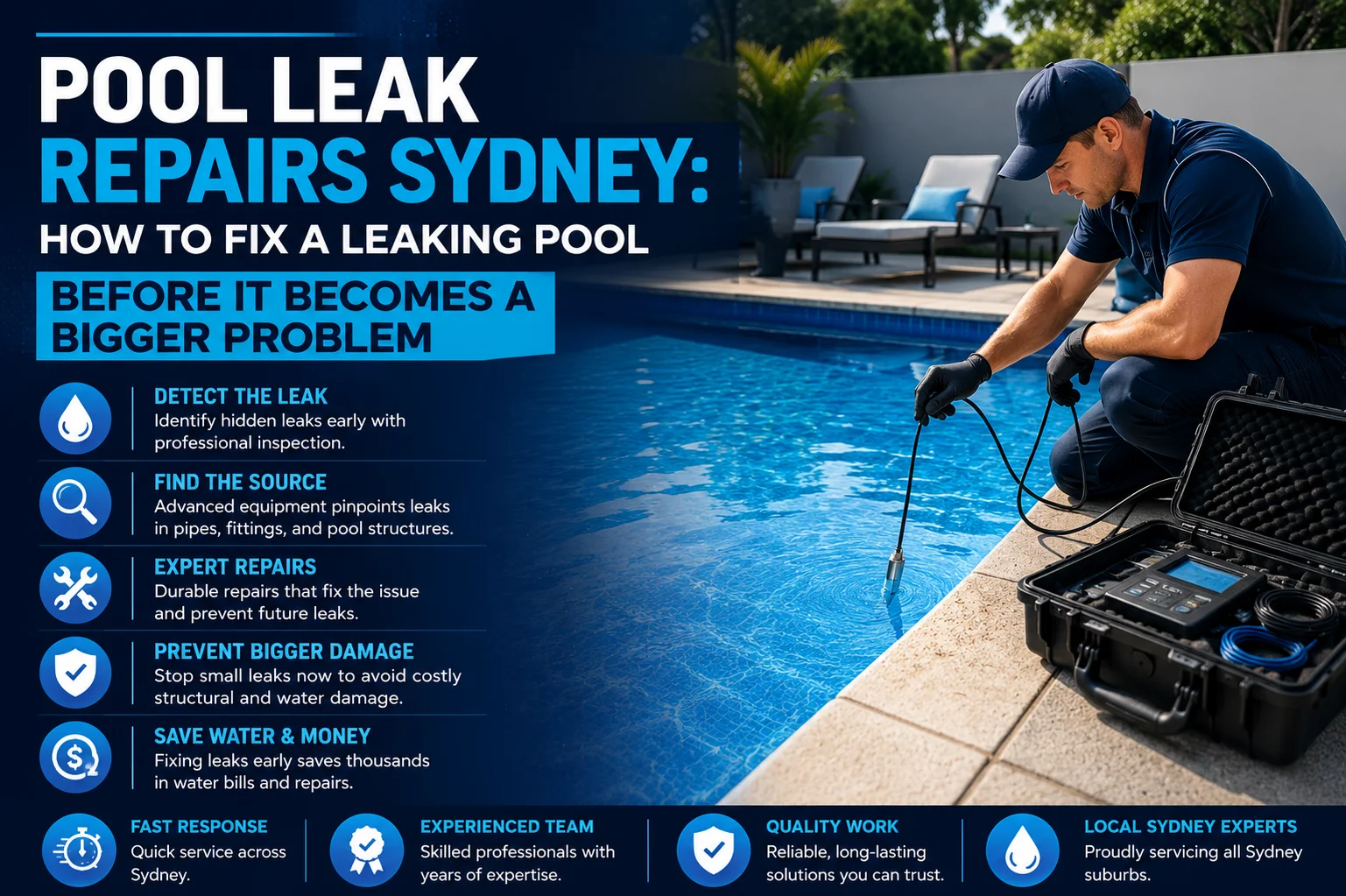
Plumbing and fittings: Underground pipe joints, return jets, and suction fittings can all develop leaks. These are harder to detect and typically require pressure testing to identify.
Waterline tile grout failure: Gaps in waterline tile grout allow water to seep behind the tile and into the shell structure. This is often overlooked but contributes to both water loss and tile delamination over time.
“Most pools that come in as a leak repair end up needing more than just a patch. Once we find the crack or the failing seal, we often discover the surrounding surface has deteriorated to the point where the repair alone won’t hold without addressing the surface. It’s worth understanding both the leak and the condition of the pool together.” — Pool renovation specialist, Sydney
Pool Leak Repair Options: What Is Actually Involved?
The appropriate repair depends entirely on the cause and location of the leak. Here is a practical breakdown.
| Leak Type | Detection Method | Typical Repair |
|---|---|---|
| Surface crack or spider cracking | Visual inspection, dye test | Crack injection, surface repair, or full resurface |
| Skimmer box seal failure | Dye test around fittings | Seal replacement and epoxy repair |
| Underground plumbing leak | Pressure test on pipes | Pipe repair or relining |
| Return jet or fitting leak | Pressure test, dye test | Fitting replacement |
| Waterline tile grout failure | Visual inspection | Grout removal and regrouting |
| Porous surface seepage | Bucket test, surface assessment | Full repaint or resurface |
For concrete pools, pool crack repair in Sydney addresses structural cracking directly. However, where the surface has deteriorated broadly, isolated crack repair without a full resurface often leads to the same issue recurring within a season or two.
When a Pool Leak Means You Need More Than a Patch
This is the conversation most Sydney pool owners need to have but rarely do until the problem becomes unavoidable.
A pool leak that originates from a structural crack in a 15 or 20-year-old concrete pool is almost always telling you something about the overall condition of the surface, not just that one spot. Crack injection or patching is a valid repair when the surrounding surface is in good condition. But if the paint is faded, chalking, or peeling, if there are multiple cracks rather than one, or if the pool has never been resurfaced, the patch is a temporary fix on a surface that has already failed.
In these cases, the right answer is a full concrete pool resurfacing that addresses the surface condition comprehensively rather than a series of increasingly expensive point repairs.
For fibreglass pools, a leak through the shell almost always indicates that the gelcoat has failed. Fibreglass pool resurfacing restores a non-porous surface that stops the seepage at the source rather than chasing individual leak points on a deteriorated finish.
The Cost of Ignoring a Pool Leak in Sydney
The numbers make a compelling case for acting quickly.
A pool losing just 5mm of water per day in a standard 8×4 metre pool loses approximately 160 litres daily. That is over 4,800 litres per month, or nearly 60,000 litres per year. At Sydney water rates, that is a meaningful ongoing cost before you even factor in the chemical balance disruption from constantly topping up with fresh water.
Beyond the water bill:
- Saturated soil beneath the pool shell can cause subsidence and structural cracking to worsen
- Water escaping near the equipment pad can damage pump and filter components
- Prolonged moisture at the pool edge can undermine coping and paving
- A pool with known structural issues will significantly complicate any future property sale
Early intervention is almost always cheaper than delayed intervention. A pool inspection in Sydney from a qualified swimming pool renovation company will assess both the leak and the overall condition of the pool so you understand the full picture before committing to any work.
What Happens After a Pool Leak Is Repaired?
This is the step most guides skip entirely. Once a leak has been identified and the structural repair completed, the pool surface often needs attention before it is refilled and returned to service.
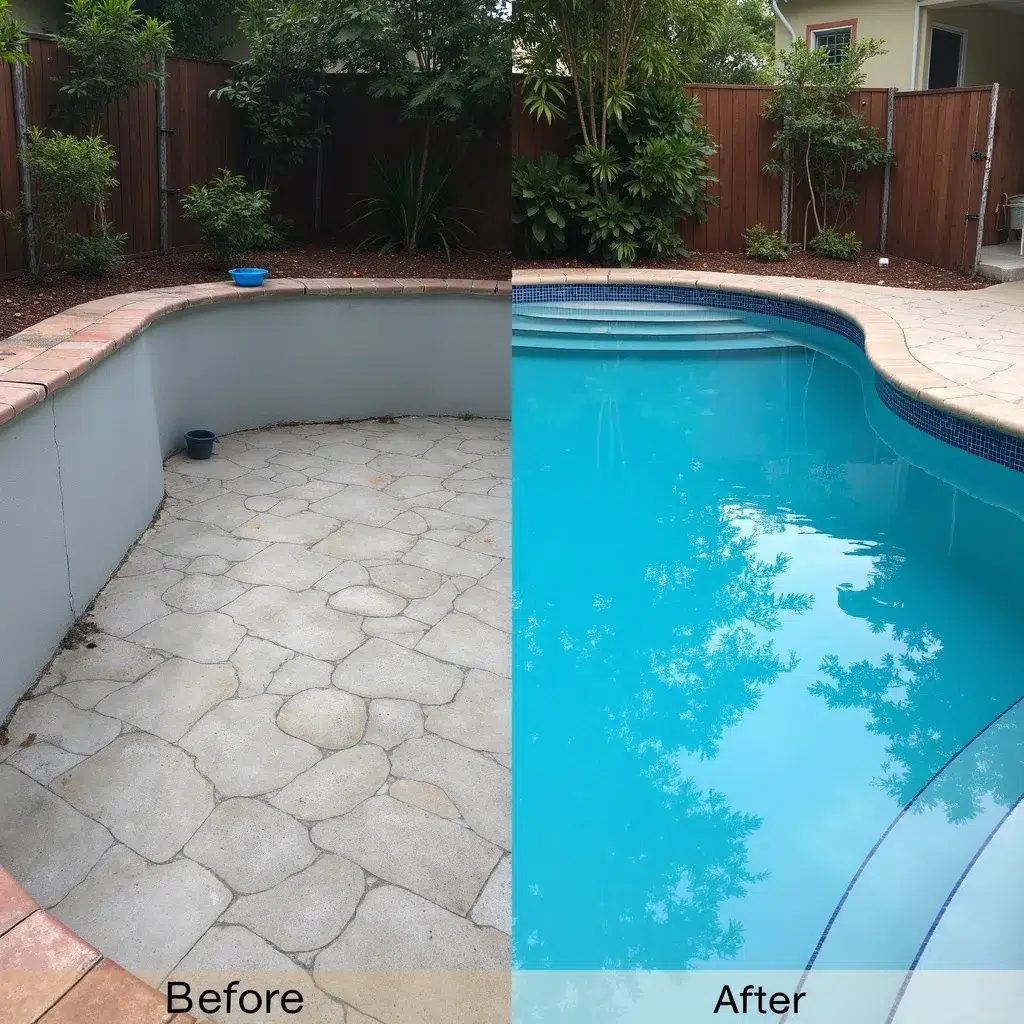
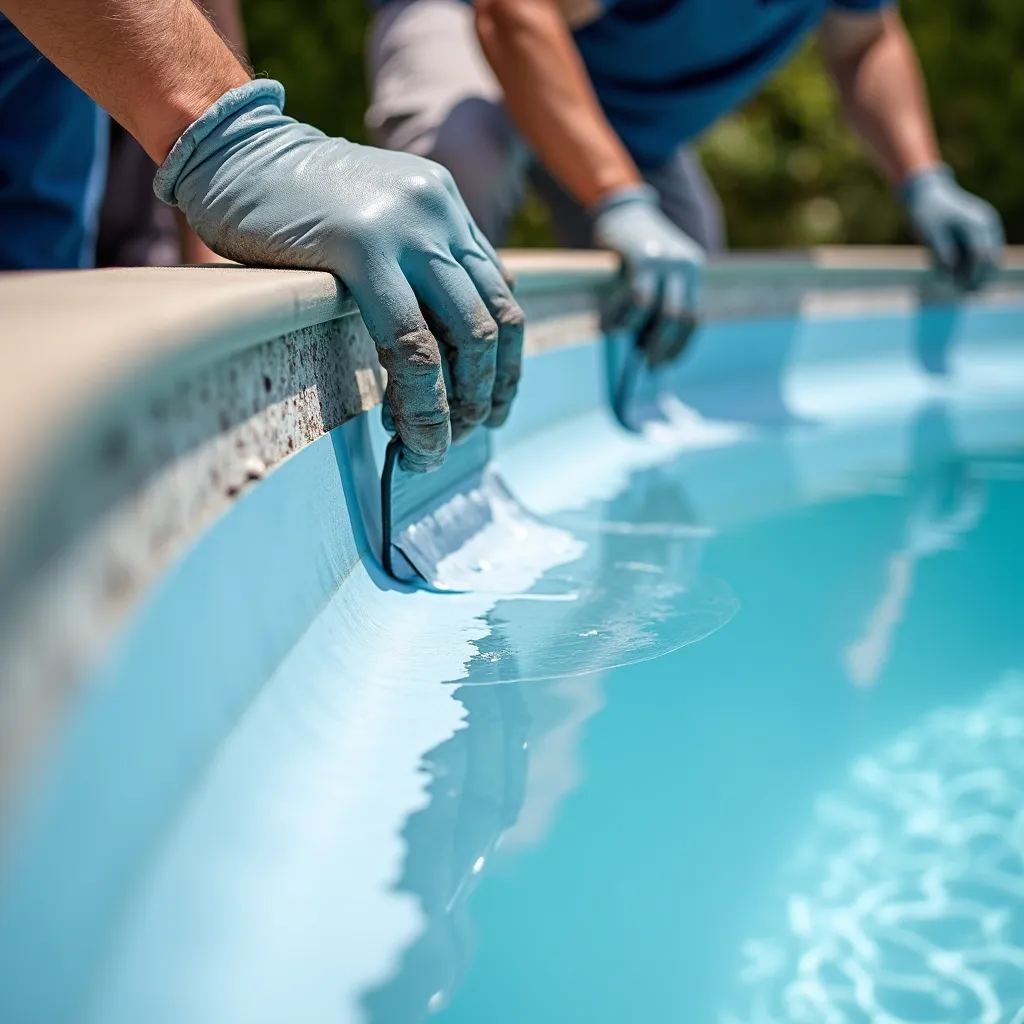
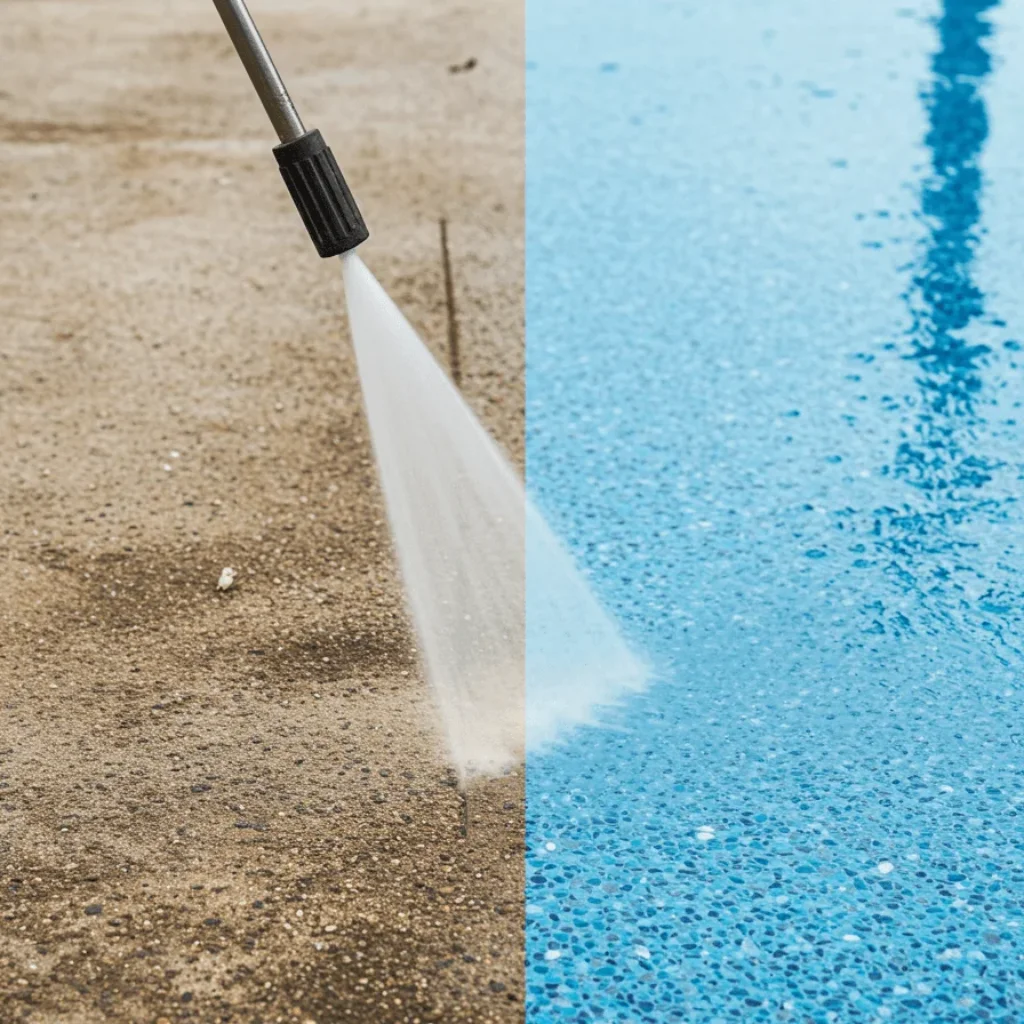
Crack repairs, skimmer box seal work, and grout replacement all create areas where the existing surface finish has been disturbed. If the surrounding paint or plaster is in reasonable condition, surface preparation and spot painting is usually sufficient. If the surface is broadly deteriorated, this is the optimal time to carry out a full pool painting service while the pool is already drained and prepared.
Combining the leak repair with a surface restoration in a single project reduces costs, avoids a second draining cycle, and delivers a pool that is both watertight and visually refreshed.
Thinking about getting your pool assessed? A professional swimming pool renovation and repair company in Sydney can evaluate both the leak and the condition of your pool surface in a single visit. Visit Advance Pool Painting to book an assessment for your Sydney pool today.