Get a free quote:

Pool Care & Renovation Insights

Magnesium pool conversion

Magnesium Pool Conversion: Why Sydney Homeowners Are Making the Switch and How It Works

Quick Overview:

A magnesium pool conversion involves switching your existing chlorine or saltwater pool to a magnesium mineral system that uses magnesium chloride as the primary sanitiser instead of traditional sodium chloride (salt) or liquid chlorine. The result is water that feels noticeably softer on the skin, is gentler on eyes and hair, and requires fewer harsh chemicals to maintain. The conversion process involves replacing or upgrading your chlorinator to a mineral-compatible unit, adding a mineral blend to the water, and in some cases checking that your pool’s interior surface is compatible with the new water chemistry. For concrete pools, this may mean ensuring your pool paint or pebblecrete finish is in good condition before the changeover. Most conversions can be completed within one to two days for the equipment and chemistry transition, though pools needing surface work as part of the upgrade will take longer. At Advance Pool Painting, we help Sydney homeowners assess surface readiness and complete any resurfacing or renovation work needed before or alongside a magnesium mineral conversion.

magnesium pool conversion service

What Is a Magnesium Pool?

A magnesium pool uses a mineral sanitisation system that relies on magnesium chloride (and often a blend of potassium chloride and sodium chloride) instead of pure sodium chloride or liquid chlorine.

The minerals are added to the pool water and processed through a mineral-compatible chlorinator. The system still produces a small amount of chlorine to sanitise the water, but at significantly lower levels than a traditional salt or chlorine pool. The magnesium and potassium in the water provide additional benefits that go beyond sanitation.

For a deeper look at the health and lifestyle advantages, the mineral pool benefits guide covers everything from skin and muscle benefits to reduced chemical handling.

Magnesium Pool vs Saltwater Pool vs Chlorine Pool

Understanding the differences helps you decide whether conversion makes sense for your situation.

FactorChlorine PoolSaltwater PoolMagnesium Mineral Pool
Sanitiser sourceManually added liquid or tablet chlorineSalt chlorinator generates chlorine from sodium chlorideMineral chlorinator generates chlorine from magnesium blend
Water feelCan feel harsh, dry skin and hairSofter than chlorine but still sodium-basedNoticeably silky, gentle on skin and eyes
Chemical handlingRegular manual dosing requiredModerate, salt cell does most of the workMinimal, mineral system is largely self-regulating
Skin and eye irritationCommon, especially at higher chlorine levelsReduced compared to chlorineSignificantly reduced, magnesium is naturally soothing
Corrosion riskLow (no salt)Moderate to high, salt corrodes metal and stoneLower than saltwater, magnesium blend is less corrosive
Surface compatibilityCompatible with all finishesCan accelerate wear on some surfaces over timeCompatible with most finishes when properly maintained
Running costLower equipment cost, higher chemical costModerateModerate, mineral blends cost slightly more than plain salt

“The most common reaction we hear from homeowners after their first swim in a magnesium pool is that the water feels completely different. It is softer, smoother, and they come out without that tight, dry feeling chlorine pools are known for.”

How the Conversion Process Works

Converting an existing pool to magnesium mineral is more straightforward than most homeowners expect.

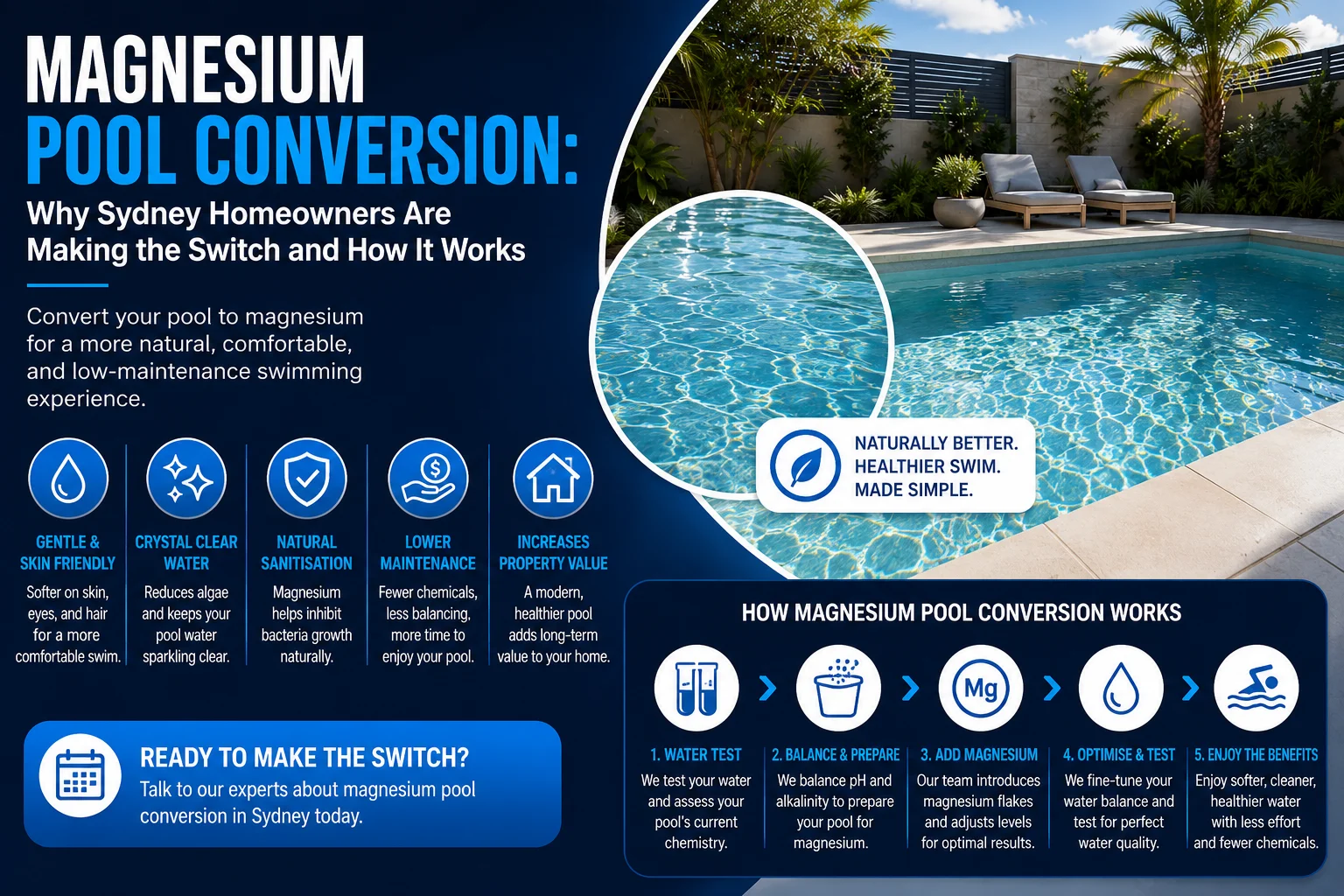
Step one: Assess your current setup. A pool professional evaluates your existing chlorinator, filtration system, and interior surface condition. If your chlorinator is already mineral-compatible (many newer salt chlorinators are), you may only need to change the mineral blend you add to the water.

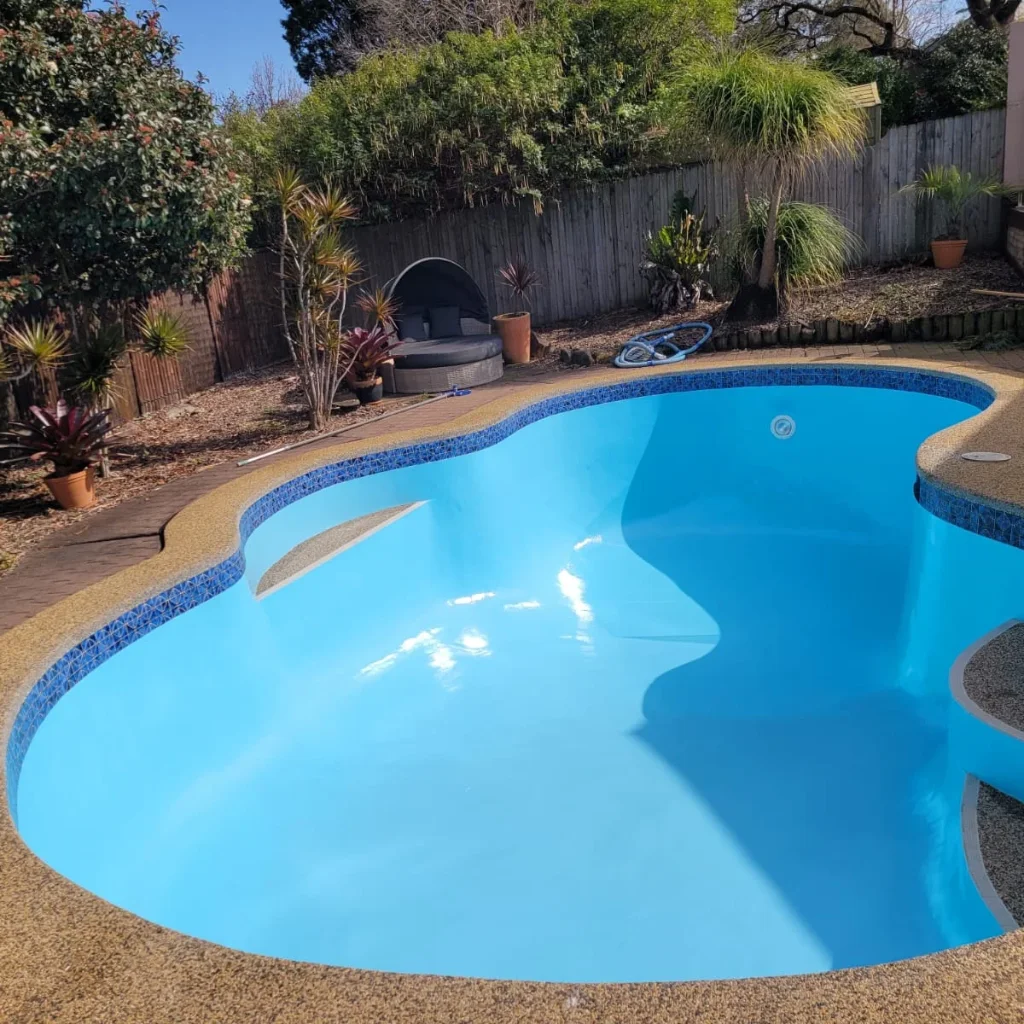
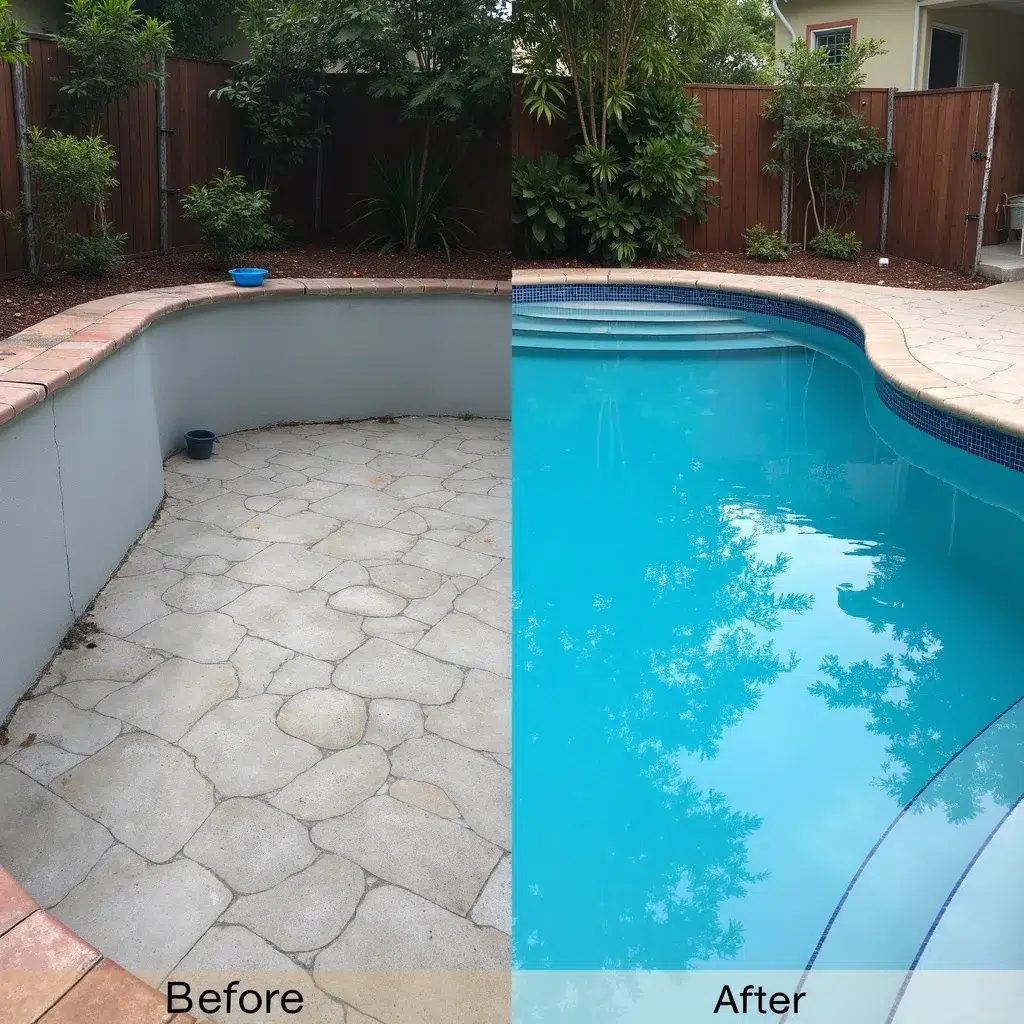
Step two: Check surface compatibility. This is where Advance Pool Painting comes in. Your pool’s interior finish needs to be in sound condition before changing the water chemistry. Cracked, peeling, or deteriorating surfaces can react differently to mineral water. If your pool needs resurfacing, painting, or pebblecrete work, it makes sense to do that before or alongside the conversion.

Step three: Upgrade or replace the chlorinator. If your current unit is not mineral-compatible, it will need to be swapped for a dedicated mineral chlorinator. Popular brands in Australia include MagnaPool, Hydroxinator, and Enviroswim.

Step four: Drain, clean, and refill (if needed). If the existing water has high sodium levels from years of salt chlorination, a partial or full drain and refill gives the mineral system a clean starting point. This is also the ideal time to complete any pool cleaning or surface preparation.

Step five: Add the mineral blend and balance. The magnesium mineral blend is dissolved into the pool water, the chlorinator is configured, and the water chemistry is balanced. Within 24 to 48 hours, the system is running and the water is ready to swim in.

Magnesium pool conversion Australia

When to Combine Conversion with a Pool Renovation

The smartest time to convert to magnesium is when your pool is already due for renovation work. If you are planning any of the following, bundling the conversion saves time and money:

Since the pool is already drained for renovation work, the surface is freshly prepared, and the system is being recommissioned anyway, converting to mineral at the same time adds minimal extra cost and zero extra downtime.

For Sydney homeowners considering a broader upgrade, the pool renovation cost and pool resurfacing cost guides cover what to budget for the full scope.

Maintaining a Magnesium Pool

Magnesium pools are lower maintenance than traditional chlorine pools, but they are not maintenance-free.

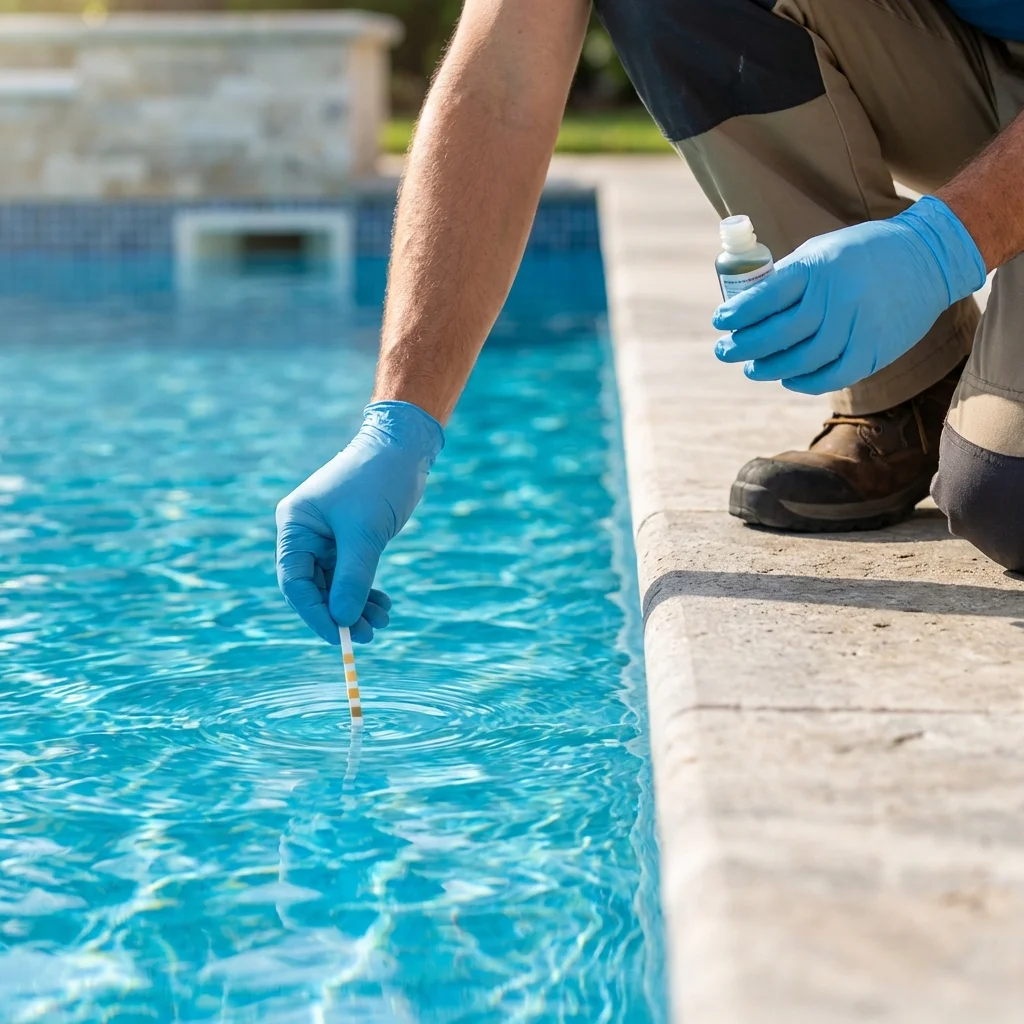
  • Test water chemistry fortnightly using a quality test kit that reads magnesium levels alongside pH, chlorine, and alkalinity
  • Top up the mineral blend as needed, typically every few months depending on water loss from splashing, backwashing, and evaporation
  • Clean the chlorinator cell every three to six months to prevent mineral buildup
  • Maintain pH between 7.2 and 7.6 for optimal mineral performance and swimmer comfort
  • Schedule a professional pool check annually to assess the surface, equipment, and water balance

For ongoing surface care, the pool resurfacing maintenance guide covers how to keep your finish in top condition regardless of which sanitisation system you use.
Magnesium Pool Conversion: How It Works

Five steps to convert your Sydney pool from chlorine or saltwater to a magnesium mineral system.

🔍

1. Assess System

Evaluate your current chlorinator, filtration, and pool equipment compatibility.

🏊

2. Check Surface

Inspect pool interior for cracks, peeling, or damage. Resurface if needed before conversion.

3. Upgrade Unit

Replace or reconfigure chlorinator to a mineral-compatible system (MagnaPool, Hydroxinator, etc).

💧

4. Refill and Blend

Partial or full drain, refill with fresh water, dissolve magnesium mineral blend into the pool.

5. Balance and Swim

Balance water chemistry, configure the chlorinator, and enjoy your first mineral swim within 24 to 48 hours.

Chlorine vs Saltwater vs Magnesium

How the three most common pool systems compare for Sydney homeowners.

🧪

Chlorine

Water feel: Harsh on skin and eyes

Maintenance: High, manual chemical dosing

Corrosion: Low

Comfort: ★★☆☆☆

🧂

Saltwater

Water feel: Softer than chlorine

Maintenance: Moderate, salt cell automated

Corrosion: Moderate to high

Comfort: ★★★☆☆

💎

Magnesium Mineral

Water feel: Silky, gentle, soothing

Maintenance: Low, mineral system self-regulates

Corrosion: Low

Comfort: ★★★★★

💡 Best Time to Convert

The ideal time to convert to magnesium is during a pool renovation. If your pool is already being drained for resurfacing, painting, or tiling, adding the mineral conversion at the same time means zero extra downtime and reduced total cost.

advancepoolpainting.com | Advance Pool Painting | Sydney's Pool Renovation Specialists Since 1993

Get Started Today

Request your free, detailed quote now. We’ll inspect your pool, discuss tile options, explain the complete process, and provide transparent pricing with no hidden costs.

Call us or contact our team to schedule your consultation. We serve all Sydney areas including Western Sydney, The Hills, Northern Sydney, Eastern Sydney, and Southern Sydney.

Visit our gallery to see completed retiling projects and the transformations we’ve delivered for Sydney homeowners.

Additional Pool Renovation Resources

Explore more ways to enhance your swimming pool:

View all our services and areas we service across Sydney.

Contact Us for a Free Consultation

Servicing all areas including Western Sydney, Northern Sydney, Eastern Sydney, and Southern Sydney.

Want to learn more about pool maintenance and upgrades? Explore our complete range of services or read our latest pool care articles.


About Advance Pool Painting: As Sydney’s trusted pool renovations, Painting repair and maintenance service provider, we help homeowners maximize their pool investment through expert renovations, heating solutions, and comprehensive maintenance services across all Sydney regions.

Frequently Asked Questions

Q1. Can I convert my existing saltwater pool to magnesium?

Yes. Saltwater pools are the easiest to convert because they already have a chlorinator in place. If your salt chlorinator is mineral-compatible, you may only need to drain some water, refill, and add the magnesium mineral blend. If the chlorinator is older or not compatible, it will need to be replaced with a mineral-specific unit. The pool surface should be inspected first to ensure it is in good condition for the chemistry change.

Q2. Is a magnesium pool better for your skin?

Magnesium is a natural mineral that is absorbed through the skin and is widely recognised for its benefits in muscle relaxation, skin hydration, and reducing inflammation. Swimmers commonly report softer skin, less dryness, and significantly less eye and hair irritation compared to chlorine or saltwater pools. This is one of the main reasons Sydney homeowners are making the switch. Read more about mineral pool benefits.

Q3. Does a magnesium pool still use chlorine?

Yes, but at much lower levels. The mineral chlorinator still produces a small amount of chlorine from the magnesium blend to keep the water sanitised. However, the chlorine levels are significantly lower than a traditional pool, and the magnesium in the water offsets the drying and irritating effects that higher chlorine levels cause.

Q4. Will magnesium water damage my pool surface?

Magnesium mineral water is actually less corrosive than traditional saltwater, making it gentler on most pool surfaces. However, if your existing pool paint is already peeling or your pebblecrete is deteriorating, those issues should be addressed before the conversion. Changing the water chemistry on a compromised surface can accelerate existing problems.

Q5. How much does a magnesium pool conversion cost in Sydney?

A basic conversion (mineral chlorinator upgrade plus initial mineral blend) typically costs between $1,500 and $4,000 depending on the unit and pool size. If surface work like resurfacing or painting is needed as part of the project, total costs will be higher depending on scope. Contact Advance Pool Painting for a tailored quote based on your pool's current condition.

Get the Quick Visual Guide

7 Mineral Pool Benefits That Could Save You $1000s Yearly

Explore Our Other Swimming Pool Services Services

    Transform Your Pool with Expert Care – Get Your Free Quote

    Contact us short form

    Leave a Reply

    Your email address will not be published. Required fields are marked *

    0

    Get Exclusive Discounts and More!

    Join Our Newsletter

    Sign up for our newsletter to stay updated on our latest pool cleaning and maintenance services. As a subscriber, you’ll receive exclusive discounts, special offers. Enter your email below to join our community!