Get a free quote:

Pool Care & Renovation Insights

APP how is much paint cost

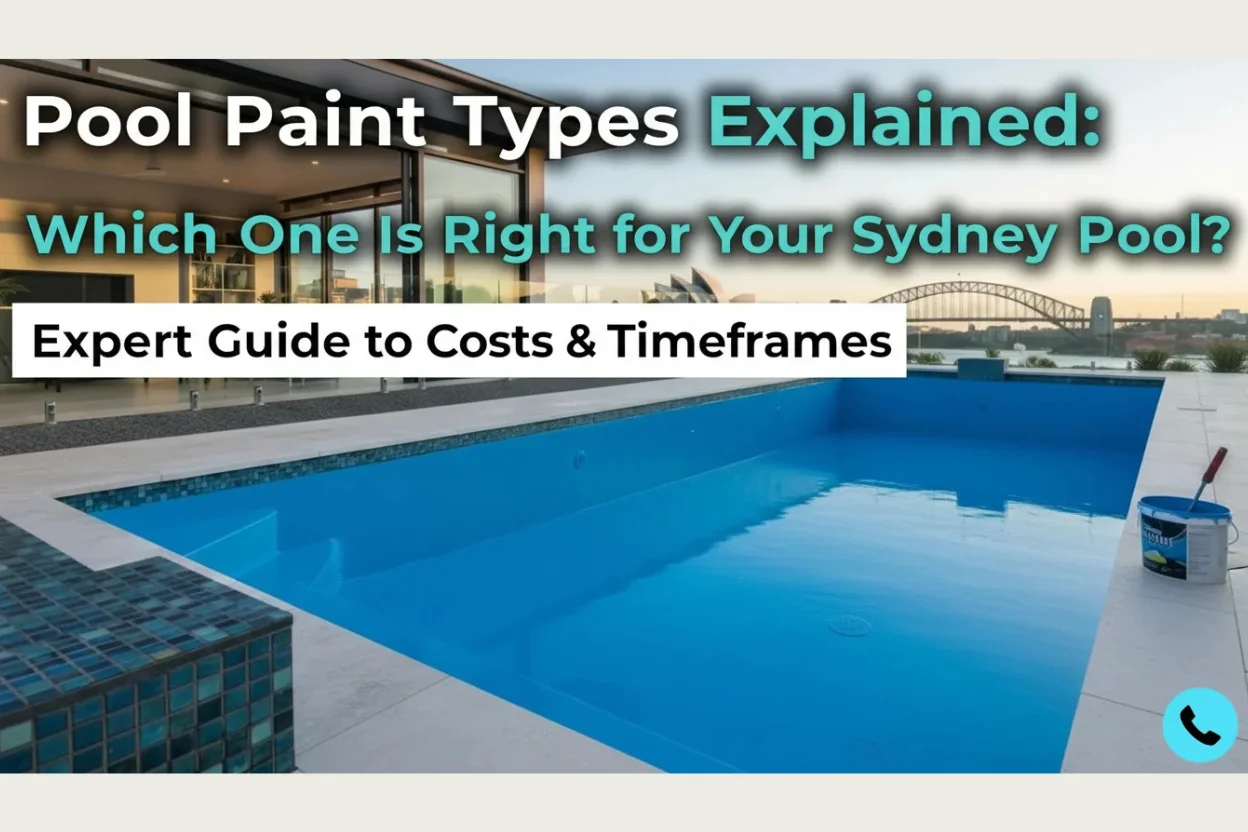
Pool Paint Types Explained: Which One Is Right for Your Sydney Pool?

Quick Overview:

Pool paint types come down to three main options: epoxy, acrylic, and chlorinated rubber. Each works differently depending on your pool surface, budget, and how long you want the finish to last. Epoxy is the most durable, lasting up to 8 years, but requires careful preparation. Acrylic is easier to apply and dries faster, making it ideal for a quick refresh. Chlorinated rubber is an older product that is becoming less common due to environmental concerns. This guide breaks down every type, compares them side by side, explains which surfaces each one suits, and helps you understand when painting is the right choice versus full pool resurfacing. If you are a Sydney homeowner trying to make the right call before spending money, this article will save you a lot of guesswork.

Why Choosing the Right Pool Paint Type Actually Matters

Paint the wrong product over the wrong surface, and you are looking at peeling, bubbling, and a job that needs to be redone within a year or two. That is not a small problem. Pool repainting involves draining the pool, surface preparation, and several days of drying time. Getting it wrong costs more than just money.

The good news is that choosing the right pool paint is not complicated once you understand the three main types and what each one is designed to do.

There are three pool paint types used by professional swimming pool renovation and resurfacing contractors in Sydney: epoxy, acrylic, and chlorinated rubber. Each has its place, and the right choice depends on your pool surface, the existing coating, your timeline, and your budget.

Book a professional pool painting assessment in Sydney today


The 3 Main Pool Paint Types: An Overview

Before diving into each type, here is a quick comparison table so you can see the differences at a glance.

Paint TypeLifespanBest ForDrying TimeDifficulty
Epoxy5 to 8 yearsConcrete, fibreglass, gunite7 to 14 daysHigh
Acrylic2 to 4 yearsConcrete, plaster3 to 5 daysLow to Medium
Chlorinated Rubber1 to 3 yearsOld concrete pools7 to 14 daysMedium

Now let us look at each one in detail.


1. Epoxy Pool Paint

Epoxy is the gold standard when it comes to pool paint durability. Epoxy paint is a solvent-based paint with an average lifespan of up to eight years. The durable finish provides superior resistance to chalking, along with the effects of salt water and chlorinated chemicals. Blue Diamond Pools

It is a two-part product, meaning you mix two components together before application. That chemical reaction is what creates such a tough, long-lasting finish.

What surfaces does epoxy suit?

  • Unpainted concrete and plaster pools
  • Fibreglass pools
  • Gunite pools
  • Pools that already have an existing epoxy coating

The catch with epoxy: It demands serious preparation. Application of epoxy paint is the most complicated of the three pool paint types. In addition to cleaning and acid-washing, bare fiberglass or previously painted epoxy surfaces must be sanded to a fine grit profile. INYOPools The drying time is also the longest of all the paint types, particularly for indoor pools.

One important rule with epoxy: once you go epoxy, you stay epoxy. You cannot simply paint acrylic over an existing epoxy surface without fully stripping it back first. This is a commitment, and it is one worth making correctly.

“Epoxy is the choice when homeowners want a result that lasts. The preparation is more involved, but when it is done right, you are looking at a finish that holds up to Sydney summers, heavy pool use, and high chlorine levels for years without issues.”

Swimming pool renovation and resurfacing specialist, Sydney


2. Acrylic Pool Paint

Acrylic is the most accessible of the three pool paint types. It is water-based, lower in VOCs (volatile organic compounds), and far easier to apply than epoxy. Premium acrylic pool paint is designed to comply with environmental regulations and replace chlorinated and synthetic rubber-based paints. It can be applied to a damp surface and dries to a high gloss finish. INYOPools

What surfaces does acrylic suit?

  • Unpainted concrete and plaster pools
  • Pools previously painted with acrylic or chlorinated rubber
  • Pools where a quick turnaround is needed

Important limitation: Acrylic paint should not be used on fibreglass or wood surfaces. It is less chemical resistant than epoxy paint. INYOPools

The trade-off with acrylic is lifespan. You are looking at roughly two to four years before the surface needs repainting. For a pool that sees heavy use through Sydney summers, that interval can feel short.

Two types of acrylic pool paint worth knowing:

Premium acrylic is the better of the two. It lasts longer, handles chemicals better, and offers a superior finish. Water-based acrylic dries the fastest (around three days) but has the shortest lifespan and will need recoating sooner.

Pool Paint Types Explained

Which Coating Is Right for Your Sydney Pool? A Complete 2025 Guide by Advance Pool Painting

The 3 Main Pool Paint Types

🔵
Epoxy Pool Paint
Most Durable
Lifespan: 5 to 8 Years

A solvent-based two-part product creating a hard, chemical-resistant finish. The gold standard for Sydney pools. Once applied, only epoxy can go over epoxy.

  • Bonds to concrete, fibreglass and gunite
  • Resists saltwater and chlorine
  • Smooth and comfortable underfoot
  • Superior UV resistance
Best For

Concrete, fibreglass, gunite, and pools already coated with epoxy

🟢
Acrylic Pool Paint
Easiest to Apply
Lifespan: 2 to 4 Years

Water-based, lower VOC, and faster drying than epoxy. Ideal for pools needing a quick turnaround. Comes in premium and water-based grades.

  • Can be applied to a damp surface
  • Dries in 3 to 5 days
  • More environmentally friendly
  • Good for concrete and plaster pools
Best For

Concrete and plaster pools. Not suitable for fibreglass surfaces

🟡
Chlorinated Rubber
Legacy Product
Lifespan: 1 to 2 Years

An older coating that was once the industry standard. Rarely recommended for new applications today due to environmental concerns and short lifespan.

  • Applies smoothly over rough surfaces
  • Good resistance to acids and alkalies
  • Common in older Sydney pools
  • Requires an absolutely dry surface
Best For

Pools already coated with chlorinated rubber. Use premium acrylic as an upgrade path

Key Numbers Every Sydney Pool Owner Should Know

8 yrs

Maximum lifespan of quality epoxy with proper surface preparation

3

Main pool paint types used by professional Sydney contractors

70%

Of premature failures caused by wrong paint type, not a bad product

$30k+

Full pool replacement vs $2k to $8k for a professional repaint

Surface and Paint Compatibility Guide

Scroll to see full table →
Pool Surface Epoxy Acrylic Chlor. Rubber Best Choice
Unpainted ConcreteYesYesYesEpoxy for longest result
Fibreglass PoolYesNoNoEpoxy only
Existing Epoxy CoatYesNoNoEpoxy only, strip first otherwise
Existing AcrylicNoYesNoPremium acrylic recoat
Existing Chlor. RubberNoYesYesUpgrade to premium acrylic
Gunite / ShotcreteBestYesNoEpoxy for best adhesion
Plaster PoolYesBestYesPremium acrylic or epoxy

Paint Type Lifespan and Cost Comparison

Scroll to see full table →
Paint Type Lifespan Repainting Interval Difficulty Long-Term Cost
Epoxy5 to 8 yearsEvery 7 to 8 yearsHighHigher upfront, lowest overall
Premium Acrylic2 to 4 yearsEvery 3 to 4 yearsLow to MediumModerate, more frequent repaints
Water-based Acrylic1 to 3 yearsEvery 2 to 3 yearsLowCheapest upfront, highest long-term
Chlorinated Rubber1 to 2 yearsAnnually in many casesMediumLow cost, most frequent repaints

How to Identify Your Existing Pool Paint Type

1

Take a Small Paint Chip Sample

Step 1

Carefully chip a small piece roughly the size of a 20 cent coin. You need enough to test in three different solvents.

  • Choose an inconspicuous area to chip from
  • Include the full paint thickness in the chip
  • Label three small containers for testing
2

Test with Denatured Alcohol

Step 2

Place the paint chip in denatured alcohol and wait a few minutes.

  • Chip dissolves: it is water-based acrylic
  • Does not dissolve: proceed to Step 3
3

Test with Mineral Spirits and Xylol Mix

Step 3

Place a fresh chip in 75% mineral spirits and 25% xylol. Wait 30 seconds then rub between your fingers.

  • Chip dissolves or turns mushy: synthetic rubber paint
  • Still holds firm: proceed to Step 4
4

Test with 100% Xylol

Step 4

Immerse a fresh chip in 100% xylol solvent.

  • Chip dissolves: chlorinated rubber paint
  • Does not dissolve at all: epoxy paint
5

When in Doubt, Get a Professional Assessment

Step 5

If results are unclear, do not guess. The wrong choice means stripping the surface and starting over, which costs far more than an assessment.

  • A professional pool inspection removes all guesswork
  • Advance Pool Painting identifies your surface and recommends the right coating
  • Always better to invest in an assessment than pay for a failed job

4 Factors That Determine Which Paint to Choose

🏊
Your Pool Surface Material

Fibreglass pools can only be painted with epoxy. Concrete pools accept both epoxy and acrylic. This must be confirmed before anything else.

🎨
The Existing Paint Type

Applying the wrong paint over an existing coating causes peeling and failure within months. Identifying what is already on the surface is essential.

📅
Your Timeline and Budget

Epoxy costs more upfront but lasts up to 8 years. Acrylic needs repainting every 2 to 4 years. Over 10 years, epoxy is almost always more cost-effective.

☀️
Sydney Climate Conditions

High UV exposure in Sydney breaks down coatings faster. UV-stable epoxy formulations perform significantly better through Australian summers.

⚠️ The Most Common Pool Paint Mistake in Sydney

Applying acrylic or chlorinated rubber over an existing epoxy surface without fully stripping it back. The new paint will not bond, peeling begins within weeks, and the entire job must be redone from scratch. Always confirm the existing coating type before purchasing any product. When in doubt, book a professional pool assessment before spending a dollar on materials.

💡 Professional Pool Painting Checklist
  • Pool surface material correctly identified (concrete, fibreglass, gunite, plaster)
  • Existing paint type confirmed via solvent test or professional assessment
  • Compatible paint product selected based on surface and existing coating
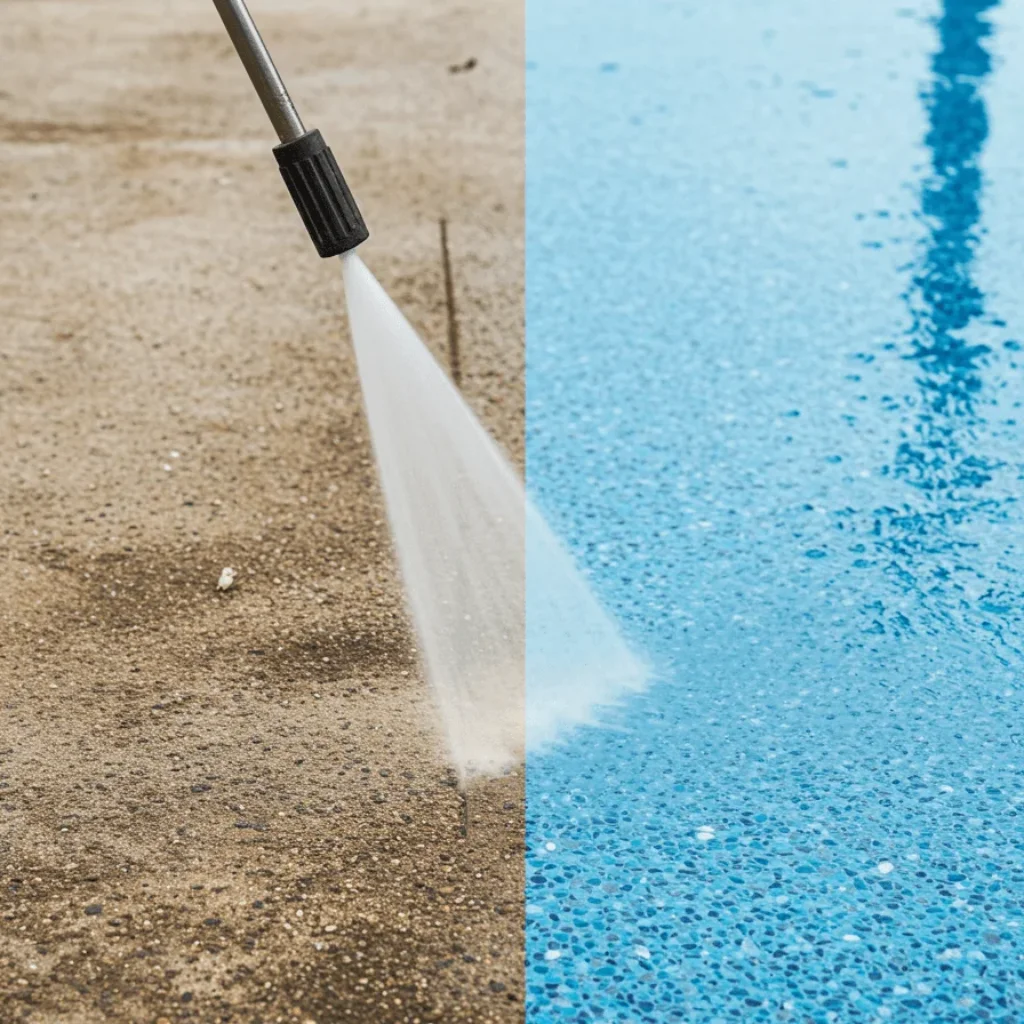
  • Pool fully drained and surface pressure-washed before any coating
  • All cracks and damaged areas repaired and fully cured before painting begins
  • Correct primer applied to suit the surface material and paint type
  • Minimum drying time observed before refilling (3 to 14 days depending on paint type)
Not Sure Which Pool Paint Is Right for You?

Advance Pool Painting's experienced Sydney team will assess your pool surface, identify the existing coating, and recommend the right product for your situation. No guesswork, no costly mistakes.

Get a Free Pool Painting Quote

What Our Customers Say

⭐⭐⭐⭐⭐

5.0 | 14 Google reviews

Kumar Nadaisan

5 days ago

⭐⭐⭐⭐⭐

"Ray is a professional and a quality tradesman. Prompt with his response. Excellent workmanship. Very tidy and cleans up on completion."

Sepp Stepanian

1 week ago

⭐⭐⭐⭐⭐

"Advance Pool Painting were recommended to us and they did not disappoint. Ray is a total gentlemen and everything he promised he delivered. I highly recommend this business."

Fiona

1 month ago

⭐⭐⭐⭐⭐

"I am absolutely thrilled with the transformation of my home. Ray was a delight to deal with from beginning to end and it was a completely stress free experience."

3. Chlorinated Rubber Pool Paint

Chlorinated rubber is an older product that was once the most commonly used pool coating in Australia. Today, its use has declined significantly. Chlorinated rubber is a cheaper maintenance type of paint that lasts one to two years before needing to be recoated. It is often used in council pools which are recoated each winter. It requires an absolutely dry surface, is very smelly, and is not easy to use. Poolpaint

For private residential pools in Sydney, a professional swimming pool contractor will rarely recommend chlorinated rubber as a first choice in 2025. The environmental concerns, short lifespan, and strong fumes make it a difficult product to justify when better alternatives exist.

The one exception: If your pool is already coated with chlorinated rubber, you need to stay with the same product or upgrade to a compatible system. You cannot simply apply acrylic or epoxy directly over chlorinated rubber without specialist preparation. Mixing incompatible paint types is one of the most common and costly mistakes pool owners make.
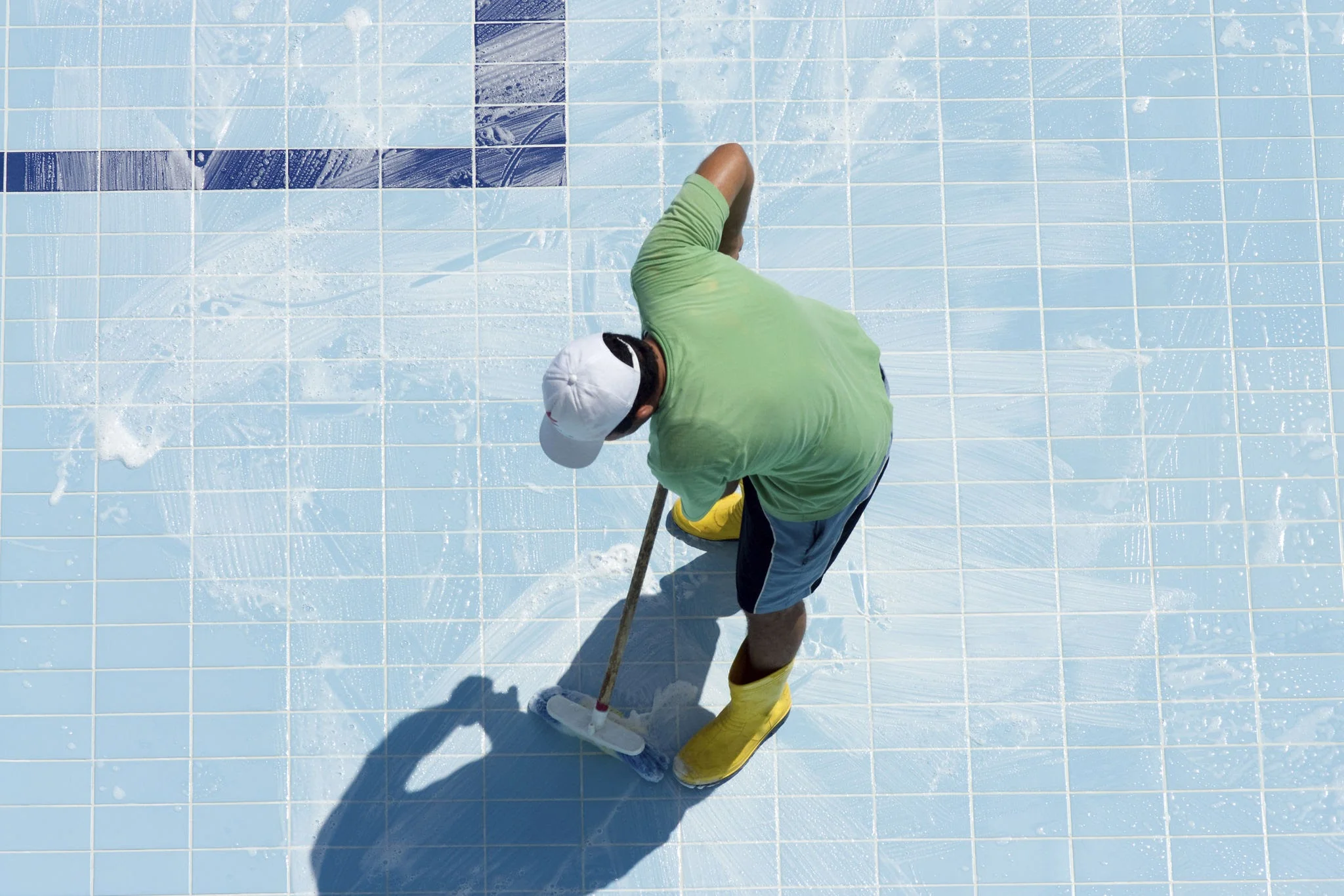
A pool painter in protective gear applying coating to a drained concrete pool with a roller showing professional application technique. Conveys expertise and quality workmanship

Which Pool Paint Type Suits Which Surface?

This is the question most Sydney homeowners need answered before making any decisions.

Pool SurfaceBest Paint ChoiceWhy
Unpainted concreteEpoxy or premium acrylicBoth bond well to fresh concrete
Existing epoxy coatingEpoxy onlyIncompatible with other types
Fibreglass poolEpoxy onlyOnly paint that adheres properly
Existing chlorinated rubberPremium acrylic or stay with rubberAcrylic is the safer upgrade path
Existing acrylic coatingPremium acrylicStraightforward recoat
Gunite / shotcreteEpoxyBest adhesion on rough texture

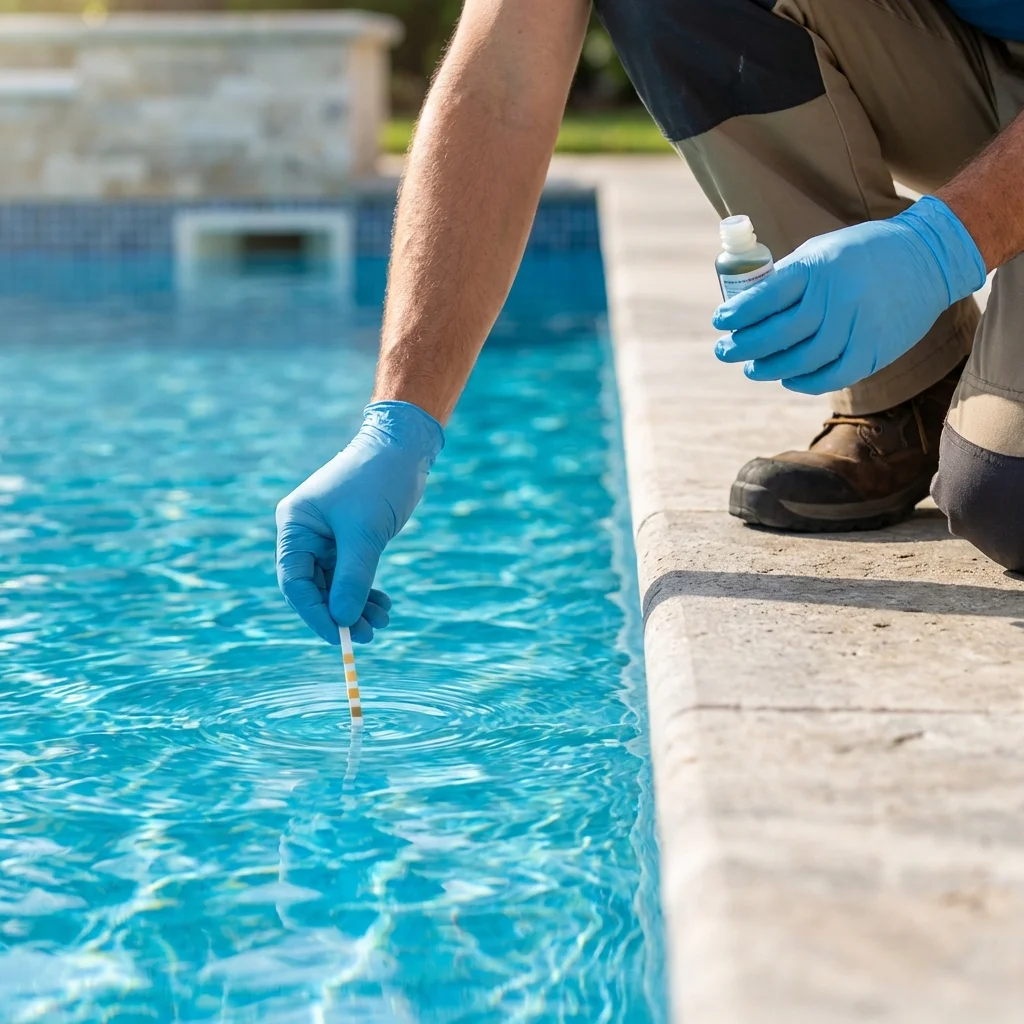
If you are not sure what is currently on your pool, a simple solvent test on a small paint chip can identify it. If the chip dissolves in denatured alcohol, it is a water-based acrylic. If it dissolves in a xylol solution, it is chlorinated rubber. If it does not dissolve, it is epoxy. Pool Care Guy

Not sure what paint type is on your pool? Book a pool inspection in Sydney


When Pool Painting Is Not Enough

Pool paint handles surface weathering and cosmetic wear beautifully. But there are situations where paint is not the right answer.

If your concrete pool has significant cracking, structural damage, or the surface is flaking badly, painting over the top will not hold. Pool crack repair or full pool resurfacing may be needed before any coating is applied.

Similarly, if you have a pebblecrete surface that is pitting or deteriorating, pebblecrete resurfacing is a more effective solution than paint.

For fibreglass pools showing signs of osmotic blistering or gel coat failure, fibreglass pool resurfacing addresses the root cause rather than masking it with a coat of paint.

A reputable Sydney pool renovation and resurfacing contractor will tell you honestly which solution fits your situation, rather than recommending paint when something more substantial is required.


How Long Does Pool Paint Last in Sydney?

Sydney’s climate is worth factoring in. High UV exposure, warm summers, and heavy pool use through spring and summer all affect how long pool paint holds up.

  • Epoxy: 5 to 8 years with proper preparation and maintenance
  • Premium acrylic: 2 to 4 years
  • Water-based acrylic: 1 to 3 years
  • Chlorinated rubber: 1 to 2 years

Keeping your pool chemistry balanced is one of the simplest things you can do to extend the life of any pool paint. High or low pH, or excess chlorine, breaks down coatings faster than normal wear.

Explore our full range of pool painting and renovation services in Sydney

Ready to find out which pool paint type is right for your Sydney pool? The experienced team at Advance Pool Painting provides honest, no-pressure assessments and expert recommendations tailored to your pool surface, budget, and goals.
Get a free pool painting quote in Sydney today

Get Started Today

Request your free, detailed quote now. We’ll inspect your pool, discuss tile options, explain the complete process, and provide transparent pricing with no hidden costs.

Call us or contact our team to schedule your consultation. We serve all Sydney areas including Western Sydney, The Hills, Northern Sydney, Eastern Sydney, and Southern Sydney.

Visit our gallery to see completed retiling projects and the transformations we’ve delivered for Sydney homeowners.


Additional Pool Renovation Resources

Explore more ways to enhance your swimming pool:

View all our services and areas we service across Sydney.

Contact Us for a Free Consultation

Servicing all areas including Western Sydney, Northern Sydney, Eastern Sydney, and Southern Sydney.

Want to learn more about pool maintenance and upgrades? Explore our complete range of services or read our latest pool care articles.


About Advance Pool Painting: As Sydney’s trusted pool renovations, Painting repair and maintenance service provider, we help homeowners maximize their pool investment through expert renovations, heating solutions, and comprehensive maintenance services across all Sydney regions.

Frequently Asked Questions

Q1. What is the most durable pool paint type for a Sydney pool?

Epoxy is the most durable option, with a lifespan of five to eight years when properly applied. It bonds well to concrete, fibreglass, and gunite surfaces and resists chlorine, salt water, and UV exposure. For Sydney homeowners who want the longest interval between repaints, epoxy is the right investment.

Q2. Can I paint over any type of existing pool paint?

No, and this is one of the most important things to understand before any pool painting project. You cannot apply epoxy over acrylic or chlorinated rubber without fully stripping the surface. Acrylic can go over existing acrylic or chlorinated rubber, but not over epoxy. Using incompatible paint types is a leading cause of premature peeling and bubbling.

Q3. How do I know what type of paint is already on my pool?

A solvent test on a small paint chip is the most reliable method. Chips that dissolve in denatured alcohol are water-based acrylic. Chips that dissolve in a xylol solution are chlorinated rubber. Chips that do not dissolve in either are epoxy. If you are unsure, a professional pool inspection from an experienced Sydney pool contractor will give you a definitive answer before any work begins.

Q4. Is it better to paint a pool or resurface it?

It depends on the condition of the surface. If the pool is structurally sound with only surface weathering, painting is a cost-effective solution. If there are cracks, significant deterioration, or gel coat failure on a fibreglass pool, resurfacing addresses the underlying issue and produces a longer-lasting result. A professional assessment is the best way to determine which approach suits your pool.

Q5. How long after pool painting can the pool be refilled?

This depends on the paint type. Acrylic typically requires three to five dry days before refilling. Epoxy requires seven to fourteen days depending on conditions, with indoor pools requiring even longer cure times. Rushing the refill process is a common mistake that causes premature paint failure. Your swimming pool renovation contractor will advise on the correct timeline based on the specific products used.

Get the Quick Visual Guide

7 Mineral Pool Benefits That Could Save You $1000s Yearly

Explore Our Other Swimming Pool Services Services

Transform Your Pool with Expert Care – Get Your Free Quote

Contact us short form

Leave a Reply

Your email address will not be published. Required fields are marked *

0

Get Exclusive Discounts and More!

Join Our Newsletter

Sign up for our newsletter to stay updated on our latest pool cleaning and maintenance services. As a subscriber, you’ll receive exclusive discounts, special offers. Enter your email below to join our community!