Blog

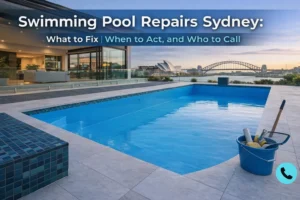
Swimming Pool Repairs Sydney: What to Fix, When to Act, and Who to Call
Swimming pool repairs Sydney homeowners trust. From cracked surfaces to tile damage and leaks, Advance Pool Painting fixes all pool types. Get a free quote today.
Swimming pool repairs Sydney homeowners trust. From cracked surfaces to tile damage and leaks, Advance Pool Painting fixes all pool types. Get a free quote today.

Epoxy, chlorinated rubber or water-based — which pool paint suits your Sydney pool? Advance Pool Painting explains costs, timeframes and best options.
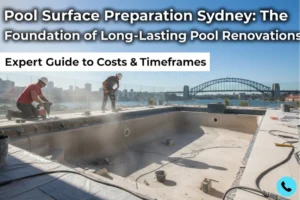
Professional pool surface preparation in Sydney. Learn why proper prep is crucial for painting, resurfacing success. Expert concrete & fibreglass pool prep services.

Professional pool retiling in Sydney. Replace damaged, outdated tiles with stunning new designs. Expert installation, 15+ years experience. Free quotes today.

Looking for pool renovations? Get expert Sydney pricing, proven process & quality advice from Dulux Accredited Master Painters with 25+ years experience. Free quotes.
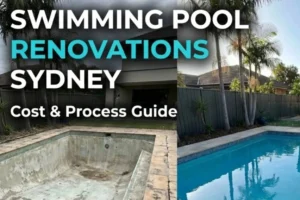
Swimming pool renovations in Sydney can completely transform a tired, leaking or outdated pool into a stunning backyard centrepiece. But without proper planning, homeowners waste thousands on quick fixes that fail within months.
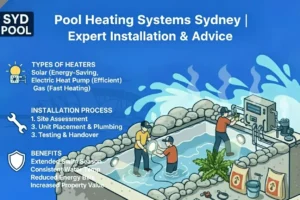
Discover the best pool heating systems Sydney has to offer. From solar to gas and electric heat pumps, find expert guidance on choosing the right heating solution for your pool.
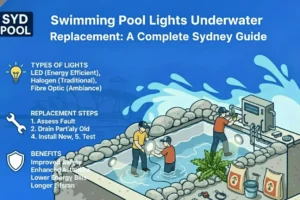
Swimming pool lights underwater replacement made easy. Learn about LED upgrades, costs, and when to call Sydney pool renovation experts. Get your free quote today.
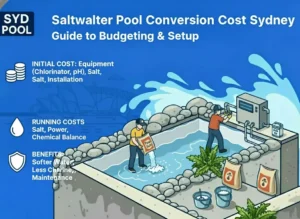
Thinking about converting your chlorine pool to a saltwater system? You’re not alone. Sydney pool owners are making the switch in record numbers this summer, drawn by lower chemical costs, gentler water, and easier maintenance. But before you take the plunge, understanding the saltwater pool conversion cost is essential for proper budgeting. This comprehensive guide breaks down exactly what you’ll pay to convert your Sydney pool to saltwater in 2025, from equipment costs to installation fees, plus the long-term savings you can expect. What is Saltwater Pool Conversion? Saltwater pool conversion transforms your traditional chlorine pool into a self-sanitizing system using a salt chlorine generator. Despite the name, you’re not swimming in ocean water. The system converts dissolved salt into chlorine through electrolysis, maintaining clean water automatically without harsh chemical additions. “After 15 years maintaining chlorine pools in Sydney, I finally converted my own pool to saltwater. The difference is remarkable. My chemical costs dropped by 60%, and I spend maybe 15 minutes per week on maintenance instead of an hour. The water feels softer, my eyes don’t burn anymore, and my pool gear no longer smells like a public swimming pool.” – James K., Pool Owner, Balmain The best part? You don’t need to drain your existing pool or replace most equipment. The conversion typically takes just one day for professional swimming pool contractors to complete. Saltwater Pool Conversion Cost Breakdown Sydney 2026 The average saltwater pool conversion cost in Sydney ranges from $1,800 to $2,800 for in-ground pools, depending on pool size and equipment quality. Here’s the detailed breakdown: Component Cost Range (AUD) Notes Salt Chlorine Generator $1,200 – $2,400 Main equipment cost, varies by pool size Pool Grade Salt $150 – $350 10-15 bags for average Sydney pool Professional Installation $400 – $800 Electrical connection, plumbing, testing Water Testing & Balancing $50 – $120 Pre-conversion chemistry adjustment Total Average Cost $1,800 – $2,800 Complete turnkey installation Cost by Pool Size Your pool’s volume directly affects conversion costs, particularly for the salt chlorine generator size required: Small pools (30,000 – 40,000 litres): $1,600 – $2,200 Medium pools (40,000 – 60,000 litres): $1,900 – $2,600 Large pools (60,000+ litres): $2,400 – $3,200 Above-ground pools: $900 – $1,500 Most Sydney residential pools fall into the medium category. If you’re unsure of your pool’s capacity, professional swimming pool renovation companies can measure it during the initial inspection. Salt Chlorine Generator: The Core Investment The salt chlorine generator represents 60-70% of your total conversion cost. This device converts salt into chlorine through an electrolytic cell, automatically maintaining sanitization levels. Key factors affecting generator cost: Pool capacity rating: Always choose a generator rated for 1.5-2x your actual pool size for optimal performance and longevity Brand reputation: Premium brands like Zodiac, Davey, and Astral cost more but offer better warranties Self-cleaning technology: Automatic cell cleaning adds $200-400 but reduces maintenance Digital controls: Advanced displays and smartphone connectivity increase costs by $150-300 Warranty coverage: 3-7 year warranties standard, premium models offer extended protection Don’t skimp on generator quality. A properly sized, quality system pays for itself through lower replacement frequency and consistent performance. Many swimming pool resurfacing companies can recommend appropriate models during pool renovation projects. Installation Costs & What’s Included Professional installation by qualified swimming pool contractors ensures your system operates safely and efficiently. Here’s what installation covers: Electrical Work ($250-500): Licensed electrician connection to pool circuit Safety switch installation Weatherproof housing setup Compliance certification Plumbing Integration ($150-300): Cell housing installation in filtration line Flow sensor connection Check valve installation Leak testing System Setup & Testing ($100-200): Water chemistry balancing Salt addition and distribution Generator programming Initial chlorine production testing If your existing pool surface needs attention, consider combining conversion with resurfacing work. Many pool renovation companies offer package pricing for combined services. Hidden Costs to Consider Beyond the initial conversion, factor these potential expenses into your budget: Pre-Existing Pool Issues: Leak repairs: Must fix before conversion ($300-1,500) – see pool leak detection Sydney Crack repairs: Saltwater can worsen existing cracks ($200-800) – check pool crack repair Sydney Pump compatibility: Older pumps may need upgrading ($400-1,200) Metal component replacement: Some metal fittings corrode in saltwater ($150-600) Ongoing Maintenance Costs: Salt cell replacement: Every 3-6 years ($600-900) Annual salt top-ups: $40-80 per year Acid washing: May need more frequent cleaning for calcium buildup – acid wash pool Sydney Test strips/kits: $60-100 annually A thorough pre-conversion inspection by experienced swimming pool companies identifies these issues early, preventing costly surprises mid-project. Long-Term Savings: Is Conversion Worth It? Despite the upfront saltwater pool conversion cost, most Sydney pool owners recoup their investment within 3-5 years through reduced chemical expenses. Annual cost comparison for average Sydney pool: Expense Category Chlorine Pool (Annual) Saltwater Pool (Annual) Savings Chlorine/Chemicals $450 – $650 $80 – $120 (salt only) $370 – $530 Shock Treatments $120 – $180 $0 (generator handles) $120 – $180 Algaecide $80 – $140 $0 (chlorine prevents) $80 – $140 Test Kits $100 – $150 $60 – $100 $40 – $50 Total Annual Cost $750 – $1,120 $140 – $220 $610 – $900 Based on average Sydney chemical prices, you’ll save $600-900 annually. At a $2,200 conversion cost, your break-even point hits around year 3. After that, it’s pure savings plus the benefits of softer water and easier maintenance. If you’re already planning pool resurfacing or pool replastering, converting to saltwater during the same project saves on labour costs. DIY vs. Professional Installation While DIY saltwater conversion kits exist, professional installation offers significant advantages: DIY Conversion ($900-1,500): Saves $400-800 on labour Requires electrical knowledge Risk of improper sizing/installation No warranty on labour Potential compliance issues Professional Installation ($1,800-2,800): Licensed electrician ensures safety Correct equipment sizing guaranteed Installation warranty included Compliance certification provided Pre-existing issues identified Time savings (1 day vs. 2-3 days DIY) “I’ve seen dozens of failed DIY conversions over 20 years in the pool industry. The most common mistakes are undersized generators, improper electrical connections, and skipping the pre-conversion inspection. A $400 saving upfront often costs $2,000+
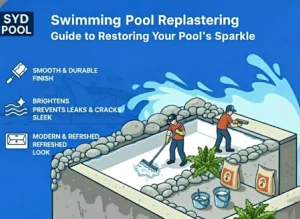
Swimming pool replastering breathes new life into aging concrete pools across Sydney. If your pool surface feels rough, shows visible stains, or has developed small cracks, replastering might be exactly what you need. This comprehensive guide covers everything Sydney pool owners should know about replastering, from recognizing the signs to understanding costs and choosing the right contractors. What is Swimming Pool Replastering? Swimming pool replastering involves removing the old, deteriorated plaster layer from your concrete pool and applying a fresh coat. Unlike pool resurfacing, which can involve various materials like pebblecrete or fibreglass, replastering specifically uses plaster-based finishes to restore the pool’s smooth interior surface. The process targets the protective coating that sits between your pool’s structural concrete shell and the water. Over time, this plaster layer erodes due to chemical exposure, weather conditions, and general use. “We replastered our Baulkham Hills pool after 12 years, and it looks brand new again. The rough patches that hurt our feet are completely gone,” shares Margaret, a recent customer. When Does Your Pool Need Replastering? Concrete pools typically require replastering every 10 to 15 years, though Sydney’s climate and pool usage patterns can affect this timeline. Watch for these clear indicators: Visible Surface Deterioration Rough, sandpaper-like texture that irritates swimmers’ skin Visible plaster flaking or peeling away from the concrete Dark grey concrete showing through worn areas Chalky residue in pool water or on surfaces Staining and Discoloration Stubborn brown, grey, or green stains that won’t respond to pool cleaning Mineral deposits creating permanent marks Mottled appearance across the pool floor and walls Faded or uneven colour that chemical balancing can’t fix Structural Concerns Spider web pattern of fine cracks (crazing) Deeper cracks that hold water and dirt Pool leaks detected through water loss testing Rough spots where plaster has completely worn away If you notice multiple signs, it’s time to consult swimming pool renovation experts about replastering options. Swimming Pool Replastering vs Other Pool Renovation Methods Understanding your options helps make informed decisions about pool maintenance: Method Best For Lifespan Cost Range (Sydney) Replastering Concrete pools, cosmetic issues 10-15 years $8,000-$15,000 Pebblecrete Resurfacing Durability, texture preference 15-20 years $12,000-$20,000 Fibreglass Pool Resurfacing Fibreglass pools only 15-25 years $10,000-$18,000 Pool Painting Budget option, temporary fix 3-7 years $3,000-$6,000 Replastering offers excellent value for concrete pools needing surface renewal without the expense of complete pool renovation. The Swimming Pool Replastering Process: Step by Step Professional contractors follow a proven process ensuring quality results: Phase 1: Preparation (Day 1) Swimming pool resurfacing companies begin by draining your pool completely. The old plaster is then removed using specialized equipment, typically involving hydro-demolition or mechanical chipping. This reveals the concrete shell underneath, allowing inspection for structural cracks that need repair before new plaster application. Phase 2: Surface Preparation (Day 2) Contractors clean and prepare the exposed concrete, removing any remaining plaster residue, debris, or contaminants. They apply a bonding agent that helps the new plaster adhere properly. Any necessary crack repairs or structural fixes happen during this phase. Phase 3: Plaster Application (Day 3) The new plaster mixture gets hand-troweled onto the prepared surface. Experienced teams work quickly because plaster begins setting within hours. They maintain consistent thickness (typically 10-15mm) and smooth the surface to eliminate irregularities. This phase requires skill and precision to achieve that perfect finish. Phase 4: Curing and Filling (Days 4-7) After application, the plaster needs proper curing. Some contractors use a misting technique to keep the surface damp, while others fill the pool immediately. The curing process is critical for plaster durability. Chemical balancing begins during this phase, with careful pH monitoring essential for plaster longevity. “The whole process took about a week from start to finish. The team explained everything as they went, which really put us at ease,” explains David from Northern Sydney. Swimming Pool Replastering Costs in Sydney Several factors influence your final investment: Size-Based Pricing Small pools (up to 30,000L): $8,000-$10,000 Medium pools (30,000-50,000L): $10,000-$13,000 Large pools (50,000L+): $13,000-$15,000+ Additional Cost Factors Pool shape complexity: Curved or kidney-shaped pools require more labour Existing damage: Extensive crack repairs add $500-$2,000 Plaster type: Premium coloured plaster costs 15-30% more than white Tile work: Replacing waterline tiles adds $2,000-$4,000 Access issues: Difficult site access increases labour costs When to Bundle Services Consider combining replastering with other upgrades to maximize value: Pool coping replacement Pool paving updates Pool tiling refresh Equipment upgrades like pool heating systems Swimming pool contractors often offer package discounts when scheduling multiple services simultaneously. Choosing the Right Plaster for Sydney Conditions Sydney’s climate demands specific considerations: White Plaster (Traditional) The most common choice, white plaster provides that classic pool look. It’s affordable, proven, and easier to maintain. However, it shows stains more readily than coloured alternatives and can develop a yellowing appearance over time. Coloured Plaster (Premium) Colours like aqua, blue, and grey have gained popularity in recent years. Check our guide on pool colour trends to see what’s popular. Coloured plaster costs more but better hides minor staining and provides a more luxurious appearance. Quartz-Enhanced Plaster This premium option adds quartz aggregates to standard plaster, increasing durability and creating subtle texture. It resists staining better than plain plaster and typically lasts 2-3 years longer. Maintaining Your Newly Replastered Pool Proper care extends your replastered pool’s life significantly: First 28 Days (Critical Period) Brush pool surfaces daily to remove plaster dust Run pool equipment continuously Test and adjust water chemistry twice daily Avoid aggressive vacuuming that might damage fresh plaster Keep pH between 7.2 and 7.6 strictly Ongoing Maintenance Brush walls and floor weekly to prevent calcium buildup Maintain balanced water chemistry consistently Regular pool inspections catch issues early Avoid prolonged low water levels in Sydney’s heat Monitor pool paint lifespan indicators For detailed maintenance schedules, review our pool resurfacing maintenance guide. Common Swimming Pool Replastering Mistakes to Avoid Rushing the Process Quality replastering takes time. Swimming pool renovation companies that promise same-day completion often cut corners. Proper surface preparation, plaster application, and curing can’t be
0