Get a free quote:

Blog

How long does pool paint last
Blog
Advance Pool Painting

How Long Does Pool Paint Last? A Complete Guide for Pool Owners

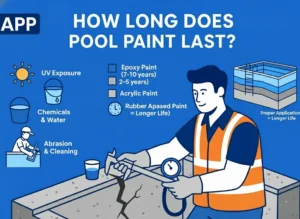
If you’ve been staring at your pool’s fading or peeling surface, you’re probably wondering: how long should pool paint actually last? It’s a question every pool owner asks, and the answer isn’t as straightforward as you might think. The lifespan of pool paint varies dramatically based on several factors, but here’s what you need to know to make informed decisions about your pool’s surface. Understanding Pool Paint Longevity Pool paint typically lasts between 2 to 10 years, depending on the type of paint used and how well you maintain it. Yes, that’s quite a range! Let me break down what determines where your pool falls on this spectrum. According to professional pool repair and maintenance services, the type of paint you choose plays the biggest role in determining longevity. Here’s what you can expect: Pool Paint Types and Their Lifespan Paint Type Average Lifespan Best For Cost Range Epoxy Paint 7-10 years Concrete pools, high durability $$$ Chlorinated Rubber 2-5 years Budget-friendly option $ Acrylic Paint 3-7 years Plaster surfaces, easy application $$ Premium Epoxy 10+ years Commercial pools, heavy use $$$$ Epoxy paint stands out as the champion of durability. “We consistently see epoxy-painted pools lasting 8 to 10 years when properly maintained,” says experienced pool specialists. It bonds incredibly well to concrete surfaces and resists chemicals better than alternatives. Chlorinated rubber paint offers the shortest lifespan but comes with a lower price tag. If you’re on a tight budget or planning a temporary solution, this might work, but expect to repaint every 2 to 4 years. Acrylic pool paint sits in the middle ground. It’s easier to apply than epoxy and lasts reasonably well, making it popular among DIY enthusiasts. With proper care, you’ll get 5 to 7 solid years from quality acrylic paint. What Really Affects How Long Your Pool Paint Lasts? Beyond the paint type, several factors determine whether you’ll be repainting in 3 years or 10. Chemical Balance Matters More Than You Think Your pool’s water chemistry isn’t just about keeping swimmers safe. It’s the number one factor affecting paint longevity. Unbalanced pH levels, excessive chlorine, or improper alkalinity can eat away at your paint faster than regular use. Pools with consistently balanced water chemistry can see their paint last 30% longer than those with fluctuating levels. That’s potentially 2 to 3 extra years before you need to think about pool resurfacing. Surface Preparation: The Hidden Secret Here’s something most pool owners don’t realize: how well the surface was prepared before painting matters just as much as the paint itself. Professional pool painting services know that proper surface preparation includes: Thorough cleaning and acid washing Repairing all cracks and imperfections Complete removal of old paint Proper drying time before application Skip these steps, and even the best epoxy paint might start peeling within 2 years. When done right, you’re setting up for maximum longevity. Climate and Usage Patterns Where you live significantly impacts your pool paint’s lifespan. Sydney pools, for instance, face unique challenges with UV exposure and temperature fluctuations throughout the year. Pools in direct sunlight all day will see their paint fade and degrade faster than shaded pools. Similarly, a heavily used family pool experiences more wear than one used occasionally. If you’re in Western Sydney or Northern Sydney, your pool faces intense summer sun that can reduce paint life by 1 to 2 years compared to more protected locations. Signs Your Pool Paint Needs Attention Don’t wait for complete failure. Watch for these warning signs: Chalking: That powdery residue on your hands after touching the pool surface? That’s oxidation, and it means your paint is breaking down. Fading: While some fading is normal, significant color loss indicates the protective layer is wearing thin. Peeling or Flaking: This is the red flag you can’t ignore. Once paint starts peeling, water seeps underneath, accelerating damage. If you notice this, contact a pool repair and maintenance service promptly to prevent costly structural issues. Visible Stains: Persistent stains that won’t clean off often mean the paint’s surface integrity is compromised. Cracks: Small cracks in the paint can quickly become bigger problems, potentially requiring pool crack repair if left unaddressed. How to Maximize Your Pool Paint’s Lifespan Want to push your pool paint to its maximum lifespan? Here are proven strategies: Maintain Perfect Water Chemistry Test your water weekly and adjust accordingly. Keep pH between 7.2 and 7.6, alkalinity between 80 and 120 ppm, and chlorine at appropriate levels. This single habit can add years to your paint job. Regular Cleaning Without Aggression Clean your pool regularly, but avoid abrasive brushes or harsh cleaning chemicals that damage the paint surface. Soft brushes and appropriate cleaning solutions are your friends. Address Issues Immediately Notice a small crack or chip? Don’t wait. Early intervention prevents small problems from becoming expensive pool resurfacing projects. Consider Professional Maintenance Regular pool inspections can catch problems before they become serious. Professional pool repair and maintenance services can spot issues you might miss and provide preventive care that extends your paint’s life significantly. Making the Right Choice for Your Pool When it’s time to repaint, choosing the right paint and application method makes all the difference. While DIY is tempting, professional application ensures proper surface preparation, correct paint mixing, and optimal application conditions. If you’re considering a complete refresh, explore current pool color trends to give your backyard a modern update while addressing the practical need for repainting. For pools needing more than just paint, comprehensive swimming pool renovations might be worth exploring. Sometimes addressing underlying issues while repainting provides better long-term value. Frequently Asked Questions Q1. Can I paint over existing pool paint, or do I need to remove it completely? It depends on the condition and type of existing paint. If the current paint is in good condition with minimal peeling, you can often paint over it after proper cleaning and light sanding. However, if there’s significant peeling, bubbling, or you’re switching paint types (like going from chlorinated rubber to epoxy),

Read More »
Pool Crack Repair Sydney
Blog
Advance Pool Painting

Pool Crack Repair Sydney: Complete 2025 Guide for Homeowners

What Causes Pool Cracks in Sydney Properties? Sydney pools face constant pressure from environmental factors that other regions don’t experience. The combination of clay-heavy soils, intense UV radiation, and dramatic temperature shifts creates a perfect storm for pool damage. Ground movement ranks as the leading cause of pool cracks across Sydney. Our expansive clay soils swell when wet and shrink during dry periods, putting enormous stress on pool structures. This becomes particularly noticeable during drought periods followed by heavy rainfall. Temperature fluctuations also play a major role. When Sydney experiences those scorching 40-degree summer days followed by cooler nights, your pool shell expands and contracts repeatedly. Over years, this thermal stress creates weak points that eventually crack. Poor construction practices from decades past contribute to many crack problems today. Older pools built with inadequate steel reinforcement or insufficient concrete thickness simply can’t handle modern stresses. If you’re dealing with an aging pool, consider exploring swimming pool renovation options for comprehensive solutions. Chemical imbalances accelerate surface deterioration too. Water that’s too acidic gradually eats away at concrete and plaster, weakening the structure from within. Regular pool maintenance prevents this chemical damage. Identifying Different Pool Crack Types Structural vs. Cosmetic Damage Not all cracks pose equal threats to your pool. Understanding the difference helps you prioritize repairs and budget appropriately. Structural cracks penetrate through your pool’s entire shell thickness. You’ll know you have one if you notice water loss even after checking your equipment for leaks. These cracks often run horizontally along the pool walls or appear at stress points like corners and steps. When you spot structural damage, professional pool leak detection becomes essential immediately. Cosmetic cracks affect only the surface layer – your plaster, pebblecrete finish, or tiles. While these don’t cause immediate water loss, they create rough spots that can scratch swimmers and trap algae. Left untreated, cosmetic cracks eventually penetrate deeper, becoming structural problems. Crack Pattern Recognition Spider web patterns indicate impact damage or localized stress points. These typically spread from a central point and suggest something struck that area with force. Vertical cracks often signal foundation settlement. When one section of your pool settles faster than others, vertical splitting occurs along the stress line. Horizontal cracks running along pool walls point to hydrostatic pressure issues. This happens when groundwater pushes against your pool shell from outside, common in areas with high water tables. Step cracks appearing at stairs or benches result from design weaknesses or insufficient reinforcement in these built-in features. These zones carry extra weight and experience more movement from swimmers. The Professional Repair Process Explained Initial Assessment Phase Quality repairs begin with thorough diagnosis. Professional technicians arrive equipped with specialized tools to measure crack width, depth, and moisture levels. They’ll check for active leaks using dye tests and pressure testing equipment. The inspection covers more than just visible cracks. Experts examine your entire pool structure, testing for hollow spots behind surfaces that indicate delamination. They assess your pool coping, beam integrity, and surrounding concrete areas for related damage. A comprehensive pool inspection also identifies the root cause. Without addressing underlying issues like poor drainage or foundation problems, repairs won’t last. Repair Material Selection Modern repair technology offers various material options, each suited to specific crack types: Epoxy Injection Systems: These work brilliantly for structural cracks in concrete pools. The liquid epoxy penetrates deep into the crack under pressure, creating a bond stronger than the surrounding concrete. It flexes slightly with temperature changes, preventing re-cracking. Hydraulic Cement: Quick-setting hydraulic cement stops active leaks immediately. It expands as it cures, forcing itself into every crack crevice. This works well for larger structural repairs where water pressure is an issue. Flexible Sealants: Polyurethane and polysulfide sealants handle areas with ongoing movement. These maintain their elasticity for years, accommodating thermal expansion without breaking down. Structural Reinforcement: Severe damage may require carbon fiber reinforcement strips or additional steel reinforcement before applying surface repairs. Surface Restoration After structural repairs cure properly, surface restoration begins. This might involve: Pool painting for simple finishes Fibreglass resurfacing for smooth, durable results Pebblecrete application matching existing textures Tile replacement for damaged waterline areas The goal is making repairs invisible while ensuring they outlast the original construction. Pool Crack Repair Decision Guide Hairline Cracks → Flexible Sealant / Surface Coating → 5-10 Years Surface Cracks → Patch & Resurface → 10-15 Years Structural Cracks → Epoxy Injection System → 15-20+ Years Beam Cracks → Structural Reinforcement → 20+ Years Crack Type Repair Method Expected Lifespan Note: Lifespan estimates assume professional repair with quality materials and proper ongoing maintenance. Actual results may vary based on pool usage, water chemistry, and environmental conditions. Why DIY Pool Crack Repairs Usually Fail The Hidden Complexity Factor What appears as a simple crack on your pool surface often tells a more complicated story beneath. Without proper diagnostic equipment, homeowners can’t detect hollow spots, delamination, or the full extent of structural damage. One Western Sydney homeowner shared their experience: “I spent three weekends trying different repair products from hardware stores. Each fix lasted only a few weeks before the crack reopened. When professionals finally assessed it, they discovered the crack extended through the shell and required proper epoxy injection, not surface patching.” Material Performance Differences Retail crack repair products simply don’t match professional-grade materials in performance or longevity. Professional epoxies cure with specific chemical ratios and under controlled conditions. They’re engineered to withstand chlorinated water, pH fluctuations, and UV exposure for decades. Store-bought products often lack the flexibility needed for Sydney’s temperature extremes. They become brittle and crack again within months. Safety Considerations Pool repairs involve risks beyond simple mistakes. Draining pools improperly can cause shell flotation in high water table areas, destroying your entire pool. Chemical exposure from repair materials requires proper safety equipment. Working with structural repairs without engineering knowledge risks catastrophic failure. Professional services across all Sydney regions – including Northern Sydney, Eastern suburbs, Western areas, Southern Sydney, and The Hills district – carry insurance protecting you from

Read More »
Pool leak detection sydney
Blog
Advance Pool Painting

How to Find Pool Leaks in Sydney: Expert Guide to Detection & Repair

Is your pool losing more than 5mm of water daily beyond normal evaporation? You might have a pool leak that needs Sydney’s expert pool leak detection team to break down and fix. Pool leaks don’t just waste water – they damage the surrounding area and can get pricey with structural problems if you ignore them. Our team’s 17 years of experience helps us find and fix leaks in every type of swimming pool across Sydney. Not sure if it’s evaporation or a real leak? We use several detection methods that work together. Our pressure testing, dye testing, and acoustic listening equipment finds leaks with precision. The electronic acoustical leak detectors we use can spot broken pipes within 1 meter of the damage. Your pool might leak because of old components, ground movement, or regular wear and tear. We’re Sydney’s swimming pool repair specialists who provide flexible solutions to fix all pool problems and structural issues. Quick leak detection and repairs help stop further damage and save water. You won’t need extensive renovations later. We also provide 24/7 same-day service, so we’re ready to help whenever you need us. Signs Your Pool Is Leaking Image Source: Leaktools.com Pool leaks can cost you thousands in water bills and repairs if you don’t catch them early. Need to know if your pool is leaking? Here are four clear signs that tell you it’s time to call professional pool leak detection Sydney services. Unusual drop in water level Normal pools lose about 3-7mm per day through evaporation. Your pool likely has a leak if you notice water levels dropping faster than this rate. You can do a simple bucket test to check. Just place a water-filled bucket on your pool steps and mark water levels inside and outside the bucket. Check the levels after 24 hours. A leak exists if your pool’s water level has dropped more than the bucket’s water level. Wet spots or soggy ground near the pool Unexplained wet or soggy areas around your pool’s perimeter strongly suggest underground leaks. Watch for damp spots near your pool’s equipment pad and edges. These wet areas show water escaping from your pool and can damage your landscaping while creating unsafe conditions. Soft or sunken ground around the pool points to an underground plumbing issue. Air bubbles in return lines Your pool might have a leak on the pump’s suction side when you see steady streams of bubbles coming from return jets [15, 17]. These bubbles appear because air gets pulled into the line before the pump – usually through loose connections, damaged O-rings, or cracked pipes. You might also notice bubbles “jumping up” from the waterline while swimming, which could mean there’s a leak. Algae growth despite chemical balance A pool leak often shows up as stubborn algae blooms that won’t go away even with proper chemical treatment. Leaks make it hard to keep chemicals balanced because fresh water keeps diluting them as you top up the pool. While some algae always exists in pool water, balanced pool chemistry should stop visible growth. A leak might be the culprit if you keep fighting algae despite regular maintenance and balanced chemicals. Why Leaks Matter Pool leaks are nowhere near as harmless as most homeowners think. A leak you ignore can quickly turn from a small problem into a massive headache that drains your wallet and damages your property. Water loss and increased bills Your water bills can jump between AUD 233.94 to AUD 2752.18 every year when pool leaks go unchecked. A tiny leak of just 1/8 inch wastes about 970 gallons each day, which hits your utility costs hard. This water waste becomes a real concern, especially in Sydney’s climate where we need to save every drop. Damage to pool structure and surroundings Leaking water slowly eats away the soil under and around your pool, which creates dangerous empty pockets. This erosion weakens your pool’s structure and can cause cracks, sinking, or even collapse. If structural damage has already occurred, pool resurfacing may be necessary. The escaping water might reach your home’s foundation and ruin your landscaping and underground utilities. Effect on pool equipment and plumbing A leaking pool makes your pumps and equipment work extra hard, which wears them out faster. This added stress burns through equipment quickly, clogs up filters, and corrodes heating elements. Your motors might completely burn out when water levels drop too low. Long-term repair costs if ignored A simple fix today can prevent major structural repairs tomorrow. Early repairs cost nowhere near as much as fixing extensive damage later. Book a leak detection and stop wasting water – spending money now saves you thousands down the road. How Advance Pool Painting Solves Pool Leaks Fast Need to find a leak in your swimming pool without causing damage? Advance Pool Painting uses gentle methods to find leaks fast and prevents water loss and structural damage. Expert Detection with Proven Tools Our specialists use state-of-the-art tools to find even the hardest-to-spot leaks. We start with pressure tests on your pool’s plumbing system to spot underground problems. Specialized dye testing helps us track water movement in suspected leak areas. Our electronic leak detection equipment shows exact leak locations without any destructive testing. Clear Reports and Repair Options After finding the leak, we give you a complete report of everything we discover. We show you exactly where your pool leaks and suggest practical fixes that match your situation. You get clear quotes based on what your pool needs. Coordination with Licensed Trades (if needed) Complex repairs sometimes need special skills, so we work with licensed plumbers and other experts to fix your pool properly. This shared approach ensures we fix every part of your leak correctly. 25+ Years of Sydney Pool Experience Our team has fixed pool leaks in Sydney for more than two decades. We’ve seen and fixed every type of pool leak you can imagine. Our skilled technicians deliver reliable solutions that work for pools of all types.

Read More »
Pool Resurfacing Maintenance Sydney
Blog
Advance Pool Painting

Pool Resurfacing Maintenance Sydney: Your Complete Guide to a Pristine Pool

When it comes to maintaining your swimming pool in Sydney’s diverse climate, understanding proper resurfacing and maintenance isn’t just about aesthetics; it’s about protecting your investment and ensuring years of enjoyment. Whether you’re dealing with cracked tiles, fading surfaces, or simply want to refresh your pool’s appearance, professional pool resurfacing maintenance in Sydney can transform your backyard oasis. Understanding Pool Resurfacing: Why It Matters Pool surfaces endure constant exposure to chemicals, UV rays, and fluctuating temperatures throughout Sydney’s seasons. Over time, even the most durable surfaces begin showing signs of wear. As one pool owner in Bondi recently shared, “I didn’t realize how much my pool’s surface had deteriorated until I saw my neighbor’s newly resurfaced pool. The difference was like night and day.” Regular resurfacing maintenance extends your pool’s lifespan significantly. Most pools require resurfacing every 10 to 15 years, though this timeline varies based on usage, maintenance habits, and the original surface material. Ignoring these needs often leads to more expensive repairs down the line, including potential structural damage that could cost thousands more to fix. Signs Your Pool Needs Resurfacing Recognizing when your pool requires attention saves both money and headaches. Watch for these telltale indicators: Visible Surface Issues Rough textures that catch swimsuits or cause scraped feet indicate deteriorating surfaces. Staining that won’t respond to cleaning products suggests the surface has become too porous. When you notice chalky residue on your hands after touching the pool walls, the surface material is breaking down. Water Chemistry Problems If you’re constantly adjusting chemical levels despite following proper maintenance routines, your pool surface might be the culprit. Deteriorating surfaces can leach minerals into the water, creating an endless cycle of chemical imbalances that frustrate pool owners and increase maintenance costs. Professional Pool Resurfacing Process Understanding what happens during professional resurfacing helps you prepare and ensures you’re getting quality service from your chosen pool repair and maintenance service. Phase Duration What Happens Preparation 1-2 days Draining pool, surface inspection, repair assessment Surface Removal 2-3 days Removing old plaster, tiles, or pebblecrete Repairs 1-2 days Fixing cracks, addressing structural issues Application 2-3 days Applying new surface material, smoothing, detailing Curing & Filling 3-5 days Allowing surface to cure, refilling, chemical balancing The entire process typically takes 10 to 14 days, weather permitting. Sydney’s occasional rain can extend timelines, so planning during drier months often works best. Choosing the Right Surface Material Sydney pool owners have several excellent options, each with distinct advantages: Concrete and Plaster Finishes Traditional yet reliable, concrete surfaces with plaster finishes remain popular for their smooth texture and classic appearance. They’re cost-effective initially but require more frequent maintenance and resurfacing compared to other options. Pebblecrete Solutions Combining durability with natural aesthetics, pebblecrete offers excellent slip resistance and longevity. Many Sydney homeowners appreciate its ability to hide minor imperfections and maintain appearance despite heavy use. Glass Bead and Quartz Finishes These premium options provide stunning visual effects with light reflection while offering superior durability. Though initially more expensive, they often prove economical long-term due to reduced maintenance needs. Maintenance After Resurfacing Protecting your newly resurfaced pool requires consistent care but isn’t complicated. Start by maintaining proper water chemistry; pH levels between 7.2 and 7.6 prevent surface damage. Weekly brushing prevents algae buildup and extends surface life significantly. Regular professional inspections catch small issues before they become major problems. Most pool repair and maintenance services recommend quarterly check-ups during the first year after resurfacing, then semi-annual inspections thereafter. Cost Considerations and Value Pool resurfacing represents a significant investment, typically ranging from $5,000 to $15,000 for average-sized Sydney pools. Factors affecting cost include pool size, chosen materials, necessary repairs, and accessibility. However, considering that quality resurfacing lasts 10 to 20 years, the annual cost becomes quite reasonable. Beyond financial considerations, a well-maintained pool adds substantial property value. Real estate professionals consistently note that homes with pristine pools sell faster and command higher prices in Sydney’s competitive market. Why Choose Professional Services While DIY attempts might seem cost-effective, pool resurfacing requires specialized knowledge, equipment, and experience. Professional services ensure proper surface preparation, correct material application, and appropriate curing processes. They also provide warranties that protect your investment. Ready to transform your pool? Don’t let surface deterioration compromise your swimming experience or property value. Contact APP today for expert pool resurfacing maintenance in Sydney. Their experienced team provides comprehensive assessments, quality materials, and professional installation that ensures your pool remains a stunning centerpiece for years to come. Seasonal Considerations for Sydney Pools Sydney’s climate presents unique challenges for pool surfaces. Summer’s intense UV exposure accelerates surface degradation, while winter’s cooler temperatures can cause expansion and contraction issues. Professional pool repair and maintenance services understand these local conditions and recommend appropriate materials and maintenance schedules accordingly. Spring presents the ideal time for resurfacing projects, allowing completion before peak swimming season while avoiding winter’s unpredictable weather patterns. Making the Right Decision Choosing pool resurfacing isn’t just about fixing problems; it’s about enhancing your lifestyle and protecting your investment. Quality resurfacing transforms not just your pool’s appearance but also its functionality and safety. Take action today! Schedule a consultation with APP to assess your pool’s condition and explore resurfacing options tailored to your needs and budget. Their expertise in Sydney’s unique pool maintenance requirements ensures optimal results that stand the test of time. Pool Resurfacing Timeline FAQS Q1. How long does pool resurfacing typically last in Sydney's climate? Quality pool resurfacing generally lasts 10 to 15 years in Sydney, though premium materials like quartz or glass bead finishes can extend this to 20 years with proper maintenance. Factors including water chemistry management, usage frequency, and regular professional maintenance significantly impact longevity. Q2. Can I swim immediately after pool resurfacing? No, newly resurfaced pools require a curing period before swimming. Plaster surfaces typically need 7 to 10 days, while pebblecrete may require up to 14 days. Your pool repair and maintenance service will provide specific guidelines based on your chosen surface material and weather conditions. Q3.

Read More »
pool colour trends
Blog
Advance Pool Painting

Pool Colour Trends Sydney 2025: Looks That Stay Beautiful and Practical

When it comes to pool resurfacing maintenance in Sydney, choosing the right colour can completely transform your backyard oasis. Gone are the days when pools only came in basic light blue. Today’s homeowners are embracing bold, sophisticated colour palettes that reflect their personal style while enhancing their outdoor living spaces. Whether you’re planning a complete pool renovation or simply looking to refresh your pool’s appearance, understanding current colour trends can help you make a decision you’ll love for years to come. The team at Advance Pool Painting has noticed a significant shift in what Sydney homeowners are requesting, and the results are stunning. Why Pool Colour Matters More Than You Think Your pool’s colour affects everything from water appearance to the overall ambiance of your backyard. A well-chosen hue can make water appear more inviting, complement your landscaping, and even influence the perceived temperature of the water. “The colour you choose for your pool interior creates the foundation for your entire outdoor aesthetic,” says experienced pool designer Maria Chen. “It’s not just about trends; it’s about creating a space that feels uniquely yours.” When considering pool resurfacing, colour selection should be one of your top priorities alongside durability and maintenance requirements. Top Pool Colour Trends for Sydney Homes 1. Deep Charcoal and Graphite Dark pools have taken Sydney by storm. Charcoal and graphite finishes create a mirror-like effect that reflects the sky and surrounding landscape. These sophisticated tones give pools a luxurious, resort-style appearance while making the water look deeper and more mysterious. The best part? Dark colours absorb more heat from the sun, naturally warming your pool water by a few degrees. Perfect for Sydney’s cooler months when you want to extend your swimming season. 2. Coastal Blues and Aqua Tones Classic never goes out of style. However, today’s coastal blues are more refined than ever. Think Mediterranean azure, tropical aqua, and soft Caribbean tones. These colours create that quintessential pool aesthetic while maintaining a timeless appeal. If you’re located in Eastern Sydney or beachside suburbs, these shades naturally complement the coastal environment. 3. Elegant Grey and Pewter Grey pools offer the perfect middle ground between traditional and contemporary. These neutral tones create a sophisticated canvas that works with virtually any landscaping style. Grey finishes also show less wear and discolouration over time compared to lighter options. 4. Natural Green and Teal For homeowners seeking a more organic look, green and teal tones mimic natural swimming holes and freshwater lagoons. These earthy colours blend beautifully with lush gardens and native Australian landscaping. Pool Colour Comparison: What You Need to Know Colour Choice Water Appearance Heat Absorption Best For Maintenance Level Deep Charcoal/Black Dark, reflective, dramatic High (warmer water) Modern, contemporary designs Moderate (shows calcium deposits) Light Blue Bright, classic turquoise Low Traditional pools, family homes Low (hides minor stains) Grey/Pewter Cool, sophisticated blue-grey Medium Versatile, works with all styles Low (forgiving finish) Teal/Aqua Vibrant, tropical blue-green Medium Coastal properties, resort feel Low to moderate Green Natural, lagoon-like appearance Medium Natural gardens, eco-friendly designs Moderate How Colour Affects Pool Maintenance Your colour choice impacts more than just aesthetics. When planning pool resurfacing maintenance in Sydney, consider these practical factors: Lighter colours hide calcium buildup and minor staining better but may show algae growth more clearly. They also reflect more sunlight, keeping water cooler in summer. Darker colours make debris more visible but create stunning visual effects. They require more attention to water chemistry to prevent visible mineral deposits. Regardless of colour, professional pool inspection and regular maintenance will keep your pool looking pristine. Matching Pool Colour with Surrounding Elements The most successful pool renovations consider the entire outdoor space. Your pool colour should harmonize with: Pool coping and edging: Pool coping in complementary tones creates cohesion Paving materials: Natural stone, pavers, or concrete surrounds should enhance your colour choice Waterline tiles: Waterline tiles offer opportunities for accent colours Landscaping: Consider existing plants, fencing, and outdoor furniture   The Technical Side: Resurfacing Options and Colours Different resurfacing materials offer various colour possibilities: Fibreglass: Available in factory colours, fibreglass resurfacing offers a smooth, durable finish with excellent colour retention. Pebblecrete: Natural aggregate finishes like pebblecrete provide texture and organic colour variations that age beautifully. Pool paint: The most versatile option, pool painting allows for custom colours and is ideal for concrete pools requiring refreshing every few years. Regional Considerations for Sydney Pool Owners Different areas of Sydney present unique opportunities for pool design: Northern Sydney homes often feature traditional designs that pair well with classic blues Western Sydney properties with larger backyards can embrace bold, darker colours Southern Sydney coastal areas naturally complement ocean-inspired tones The Hills districts benefit from natural greens that blend with bushland settings Making Your Colour Decision Choosing a pool colour is a significant decision that you’ll live with for years. Here’s how to approach it: Consider longevity: While trendy colours are tempting, ensure you’ll still love the choice in five to ten years Request samples: Most reputable pool repair and maintenance services can provide colour samples to view in your backyard’s natural light Think about lighting: Pool colours look different in morning sun versus evening ambient lighting Consult professionals: Experienced technicians at Advance Pool Painting can show you real-world examples and photo galleries Ready to Transform Your Pool? If your pool’s current colour feels dated or you’re ready for a complete transformation, professional resurfacing can breathe new life into your backyard. From pool blasting to prepare surfaces to applying the final finish, every step matters. Don’t let a tired-looking pool diminish your outdoor space’s potential. Contact Advance Pool Painting today for a comprehensive assessment and colour consultation. Our experienced team serves homeowners across all Sydney service areas and can guide you through the entire renovation process. Get Your Free Pool Colour ConsultationTransform your pool with expert guidance from Advance Pool Painting. Call us today to discuss your vision and receive a detailed quote for pool resurfacing maintenance in Sydney. Frequently Asked Questions About Pool Colours Q1.

Read More »
Pool resurfacing cost
Blog
Advance Pool Painting

How to Save Thousands on Pool Resurfacing Costs: Expert Guide [2025 Prices]

Pool resurfacing costs can range from $3,000 to over $20,000. Did you know that? Most homeowners spend about $11,000 to resurface their pools, though prices typically fall between $6,000 and $15,000. Your pool’s type and chosen finish determine the final cost. Concrete pool owners can expect to pay between $3,000 and $9,000, while fiberglass resurfacing runs from $5,100 to $7,700. Luxury finishes such as glass tiles can drive costs up to $20,000 or more. The project’s labor costs add $45 to $65 per hour to your budget. We’ll show you ways to cut these costs while maintaining quality work. This piece explains what you’ll pay for concrete, fiberglass, or pebblecrete pools and reveals seven expert ways to save thousands on your resurfacing project. Our team’s 25+ years of pool restoration experience and clear pricing knowledge will help you make informed decisions. Want to give your pool a fresh look without emptying your wallet? Let’s take a closer look. What is Pool Resurfacing and Why It Matters Pool resurfacing gives your swimming pool a fresh new layer to replace the worn-out top surface. This process fixes the interior surface that touches water and repairs damage from chemicals, weather, and daily use. Who needs resurfacing and when to do it Your pool sends clear signals when it needs work. Watch out for these warning signs: Rough or abrasive texture – Swimmers complain about scraped feet or the surface feels rough Stains and discoloration – Stubborn stains that won’t go away or patchy coloring Cracks or structural damage – Spider-web cracks or bigger structural breaks Peeling or flaking surface – Plaster pieces coming off and showing concrete underneath Leaks – Your pool takes longer to fill or needs more water than usual Chalky residue – White powder shows up on hands after touching pool walls Concrete pools usually need new surfaces every 8-10 years. The timeline changes based on care and environment. Fiberglass pools last longer and need work every 15-30 years. Plaster pools might need attention just 3-7 years after installation. Spring and fall work best for these projects. You won’t miss out on swimming during summer months this way. Quick benefits of resurfacing your pool A fresh pool surface brings many perks beyond looks: Enhanced safety – Gets rid of rough spots and sharp edges that might hurt swimmers Improved cleanliness – Smooth surfaces fight bacterial growth and make cleaning a breeze Water efficiency – Fixed leaks cut water use and lower your bills Chemical balance – You’ll need fewer chemicals to keep water quality right Extended lifespan – Stops damage that could force you to replace the whole pool Increased property value – A beautiful, well-kept pool makes your home more attractive to buyers The work starts with draining your pool and taking off the old surface. Next comes fixing any cracks or damage before putting on the new finish. The final step fills the pool and balances the chemicals. Fixing small problems early through resurfacing helps you dodge bigger repair bills later. Small surface flaws can turn into major structural headaches if you ignore them. A complete pool replacement costs way more than resurfacing. This maintenance pays off by giving you a longer-lasting pool that’s more fun to use. How Pool Resurfacing Works   Image Source: Alan Smith Pools Pool resurfacing can give your aging pool a fresh new look. You should know what each stage involves to plan better and understand what’s coming. Step-by-step resurfacing process Here’s what happens during a full pool resurfacing: Draining the pool – The team starts by emptying your pool completely so they can work on the entire surface. Surface preparation – After draining, workers prep the existing surface using sandblasting, hydroblasting, or jackhammering to remove damaged parts. This step creates the most noise and dust. Structural repairs – The team fixes any cracks, leaks, or damage before adding new materials. Bond coat application – They apply a special prep coat or bond-kote that helps new material stick well to the existing structure. New surface application – Workers mix and apply your chosen finish to the pool’s interior, usually 3/8 to 1/2 inch thick. Troweling and finishing – They hand-trowel the new surface to create a smooth finish. Curing – The new surface needs proper curing time. This step is vital for lasting results. Refilling and balancing – The final step involves filling the pool and balancing chemicals for safe swimming. Timeframes and what to expect A typical resurfacing project takes 7-14 days to complete. Several things can affect this timeline: Pool size – Bigger pools need more time for each step. Weather conditions – Rain, humidity, and temperature can change drying and curing times by a lot. Chosen material – Different finishes need different application and curing times. Additional renovations – Adding other upgrades will make the project longer. The curing stage (3-7 days) and surface preparation (1-3 days) take the longest. Most experts suggest waiting about a week before swimming to let chemicals balance properly. You’ll notice some noise and dust during the project, especially when they’re prepping the surface. Good companies will protect the areas around your pool. Common mistakes to avoid These mistakes can get pricey and hurt your pool’s lifespan: Unnecessarily removing old concrete – Don’t remove all the concrete unless there’s serious structural damage. Concrete overlays work well and cost less. Neglecting proper surface preparation – A dirty or poorly prepped surface won’t hold new materials well. Make sure the surface gets a really good cleaning and repair job. Overlooking drainage systems – Good drainage will keep your pool deck safe and prevent water damage. Standing water leads to rust, stains, and safety issues. Poor planning and budgeting – Not planning for all costs can leave your project unfinished. Work with experts to create a detailed plan with some backup money. Choosing low-quality materials – Cheap materials will need repairs sooner. It’s worth spending more on quality finishes that last longer. Understanding these steps and avoiding

Read More »
swimming pool renovations near me
Blog
Advance Pool Painting

Your Comprehensive Guide to Swimming Pool Renovations Near Me

Discover everything you need to know about swimming pool renovations in Australia with our comprehensive guide tailored for homeowners in Sydney and surrounding suburbs. From understanding the costs and benefits to finding reliable local services, we break down the differences between renovations, repairs, and remodeling, while offering essential tips to avoid common pitfalls. Dive into this informative resource to transform your pool into a stunning oasis that enhances your outdoor living space. Understanding Swimming Pool Renovations What is a Swimming Pool Renovation? Swimming pool renovations encompass a range of improvements and updates made to existing pools to enhance their functionality, aesthetics, and safety. Unlike simple repairs, which address specific issues, renovations can involve significant changes, such as resurfacing, tiling, or upgrading equipment. Remodeling, on the other hand, refers to a complete overhaul of the pool’s design and layout. Renovations are crucial for extending the lifespan of your pool and ensuring it remains a beautiful and safe feature of your outdoor space. Regular updates can prevent costly repairs down the line and keep your pool looking fresh and inviting. To explore our full range of services, visit our pool renovation services page for detailed information on resurfacing, tiling, coping, and more. Benefits of Swimming Pool Renovations Enhancing the Aesthetic Appeal: A well-renovated pool can transform your outdoor area into a stunning oasis, making it a focal point for gatherings and relaxation. Increasing Property Value: Investing in pool renovations can significantly boost your property’s marketability. A modern, well-maintained pool is an attractive feature for potential buyers. Our team at Advance Pool Painting has helped countless Sydney homeowners boost their property value with professional renovation work. Improving Safety Features: Renovations often include updates to safety features, ensuring compliance with local regulations and providing peace of mind for families. Costs Associated with Swimming Pool Renovations Factors Influencing Renovation Costs The costs associated with swimming pool renovations can vary widely based on several factors: Size and Type of the Pool: Larger pools or those with complex designs will typically incur higher renovation costs. Scope of the Renovation Project: The extent of the work needed—whether it’s resurfacing, tiling, or upgrading equipment—will influence the overall price. Material Choices and Labor Costs: The selection of materials (e.g., tiles, plaster, or concrete) and the prevailing labor rates in Sydney and surrounding suburbs will also impact costs. Average Cost Estimates for Common Renovation Projects Resurfacing and Tiling Costs: Resurfacing a concrete pool can range from $3,000 to $10,000, depending on the size and materials used. Upgrading Pool Equipment: Costs for new filters, pumps, or heaters can range from $1,500 to $5,000, depending on the equipment’s quality and efficiency. Installing Safety Features: Adding fencing or pool covers can cost between $1,000 and $3,000, ensuring compliance with safety regulations. Renovation Task Estimated Cost Range (AUD) Description Concrete Resurfacing $3,000 – $10,000 Includes surface preparation, repairing cracks, and applying a new finish to restore the pool’s structure and appearance. Full Tiling Replacement $8,000 – $20,000 Removing old tiles and installing new ones for a fresh, modern look and improved durability. Equipment Upgrades $1,500 – $5,000 Replacing pumps, filters, or heaters with high-efficiency, energy-saving models. Safety Compliance Upgrades $1,000 – $3,000 Upgrading fencing, gates, and covers to meet NSW safety regulations and provide better protection. Pool Coping Replacement $2,000 – $6,000 Replacing worn or damaged coping with modern, slip-resistant materials for safety and aesthetics. Pool Painting $2,500 – $7,500 Applying high-quality epoxy or gelcoat paint to refresh the pool’s appearance and protect its surface. Finding Reliable Swimming Pool Renovation Services Near You How to Choose the Right Pool Renovation Contractor Finding a trustworthy contractor for your pool renovation is essential. Here are some steps to guide you: Research Local Contractors: Look for contractors specializing in swimming pool renovations near me. Read reviews and testimonials to gauge their reputation. You can start by browsing our areas we service page to find out if we work in your suburb. Check Licenses and Insurance: Ensure that the contractor is licensed and insured to protect yourself from potential liabilities. Ask for Quotes: Obtain multiple quotes to compare services and pricing, ensuring you get the best value for your investment. Questions to Ask Potential Contractors When interviewing potential contractors, consider asking: Experience and Specialization: Inquire about their experience with swimming pool renovations and any specific projects they’ve completed. Timeline and Project Management: Understand their approach to managing the renovation timeline and any potential disruptions. Warranty and Post-Renovation Support: Ask about warranties on their work and what support they offer after the renovation is complete. Tips for a Successful Pool Renovation Experience Common Pitfalls to Avoid To ensure a smooth renovation process, be mindful of these common pitfalls: Underestimating the Budget and Timeline: Always allow for contingencies in your budget and timeline to avoid surprises. Neglecting Permits: Ensure you obtain all necessary permits before starting your renovation to avoid fines or project delays. Failing to Communicate Clearly: Clearly articulate your vision and expectations to your contractor to ensure alignment throughout the project. Preparing for Your Renovation Project Preparation is key to a successful renovation: Set a Realistic Budget and Timeline: Determine a budget that includes all potential costs and a timeline that accommodates any unexpected delays. Plan for Temporary Disruptions: Be prepared for some inconvenience during the renovation process, especially if you rely on your pool for recreation. Consider Design Trends: Stay informed about current design trends and think about how they align with your personal preferences. Conclusion Swimming pool renovations are essential for maintaining the beauty, safety, and functionality of your outdoor space. With careful planning and the right contractor, you can transform your pool into a stunning oasis that enhances your property. Don’t hesitate to take the first step in your renovation journey—reach out to reliable local services today and start envisioning the pool of your dreams! Ready to get started? Contact Advance Pool Painting today to discuss your swimming pool renovation needs and get a free quote. Explore Our Other Services All Posts Blog Fibreglass Pool

Read More »

0

Get Exclusive Discounts and More!

Join Our Newsletter

Sign up for our newsletter to stay updated on our latest pool cleaning and maintenance services. As a subscriber, you’ll receive exclusive discounts, special offers. Enter your email below to join our community!