Get a free quote:

Blog

Blog
Advance Pool Painting

Saltwater Pool Conversion Cost Sydney | 2025 Price Guide & Tips

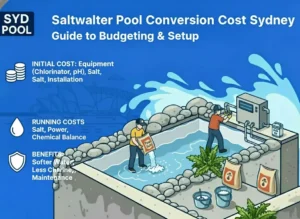
Thinking about converting your chlorine pool to a saltwater system? You’re not alone. Sydney pool owners are making the switch in record numbers this summer, drawn by lower chemical costs, gentler water, and easier maintenance. But before you take the plunge, understanding the saltwater pool conversion cost is essential for proper budgeting. This comprehensive guide breaks down exactly what you’ll pay to convert your Sydney pool to saltwater in 2025, from equipment costs to installation fees, plus the long-term savings you can expect. What is Saltwater Pool Conversion? Saltwater pool conversion transforms your traditional chlorine pool into a self-sanitizing system using a salt chlorine generator. Despite the name, you’re not swimming in ocean water. The system converts dissolved salt into chlorine through electrolysis, maintaining clean water automatically without harsh chemical additions. “After 15 years maintaining chlorine pools in Sydney, I finally converted my own pool to saltwater. The difference is remarkable. My chemical costs dropped by 60%, and I spend maybe 15 minutes per week on maintenance instead of an hour. The water feels softer, my eyes don’t burn anymore, and my pool gear no longer smells like a public swimming pool.” – James K., Pool Owner, Balmain The best part? You don’t need to drain your existing pool or replace most equipment. The conversion typically takes just one day for professional swimming pool contractors to complete. Saltwater Pool Conversion Cost Breakdown Sydney 2025 The average saltwater pool conversion cost in Sydney ranges from $1,800 to $2,800 for in-ground pools, depending on pool size and equipment quality. Here’s the detailed breakdown: Component Cost Range (AUD) Notes Salt Chlorine Generator $1,200 – $2,400 Main equipment cost, varies by pool size Pool Grade Salt $150 – $350 10-15 bags for average Sydney pool Professional Installation $400 – $800 Electrical connection, plumbing, testing Water Testing & Balancing $50 – $120 Pre-conversion chemistry adjustment Total Average Cost $1,800 – $2,800 Complete turnkey installation Cost by Pool Size Your pool’s volume directly affects conversion costs, particularly for the salt chlorine generator size required: Small pools (30,000 – 40,000 litres): $1,600 – $2,200 Medium pools (40,000 – 60,000 litres): $1,900 – $2,600 Large pools (60,000+ litres): $2,400 – $3,200 Above-ground pools: $900 – $1,500 Most Sydney residential pools fall into the medium category. If you’re unsure of your pool’s capacity, professional swimming pool renovation companies can measure it during the initial inspection. Salt Chlorine Generator: The Core Investment The salt chlorine generator represents 60-70% of your total conversion cost. This device converts salt into chlorine through an electrolytic cell, automatically maintaining sanitization levels. Key factors affecting generator cost: Pool capacity rating: Always choose a generator rated for 1.5-2x your actual pool size for optimal performance and longevity Brand reputation: Premium brands like Zodiac, Davey, and Astral cost more but offer better warranties Self-cleaning technology: Automatic cell cleaning adds $200-400 but reduces maintenance Digital controls: Advanced displays and smartphone connectivity increase costs by $150-300 Warranty coverage: 3-7 year warranties standard, premium models offer extended protection Don’t skimp on generator quality. A properly sized, quality system pays for itself through lower replacement frequency and consistent performance. Many swimming pool resurfacing companies can recommend appropriate models during pool renovation projects. Installation Costs & What’s Included Professional installation by qualified swimming pool contractors ensures your system operates safely and efficiently. Here’s what installation covers: Electrical Work ($250-500): Licensed electrician connection to pool circuit Safety switch installation Weatherproof housing setup Compliance certification Plumbing Integration ($150-300): Cell housing installation in filtration line Flow sensor connection Check valve installation Leak testing System Setup & Testing ($100-200): Water chemistry balancing Salt addition and distribution Generator programming Initial chlorine production testing If your existing pool surface needs attention, consider combining conversion with resurfacing work. Many pool renovation companies offer package pricing for combined services. Hidden Costs to Consider Beyond the initial conversion, factor these potential expenses into your budget: Pre-Existing Pool Issues: Leak repairs: Must fix before conversion ($300-1,500) – see pool leak detection Sydney Crack repairs: Saltwater can worsen existing cracks ($200-800) – check pool crack repair Sydney Pump compatibility: Older pumps may need upgrading ($400-1,200) Metal component replacement: Some metal fittings corrode in saltwater ($150-600) Ongoing Maintenance Costs: Salt cell replacement: Every 3-6 years ($600-900) Annual salt top-ups: $40-80 per year Acid washing: May need more frequent cleaning for calcium buildup – acid wash pool Sydney Test strips/kits: $60-100 annually A thorough pre-conversion inspection by experienced swimming pool companies identifies these issues early, preventing costly surprises mid-project. Long-Term Savings: Is Conversion Worth It? Despite the upfront saltwater pool conversion cost, most Sydney pool owners recoup their investment within 3-5 years through reduced chemical expenses. Annual cost comparison for average Sydney pool: Expense Category Chlorine Pool (Annual) Saltwater Pool (Annual) Savings Chlorine/Chemicals $450 – $650 $80 – $120 (salt only) $370 – $530 Shock Treatments $120 – $180 $0 (generator handles) $120 – $180 Algaecide $80 – $140 $0 (chlorine prevents) $80 – $140 Test Kits $100 – $150 $60 – $100 $40 – $50 Total Annual Cost $750 – $1,120 $140 – $220 $610 – $900 Based on average Sydney chemical prices, you’ll save $600-900 annually. At a $2,200 conversion cost, your break-even point hits around year 3. After that, it’s pure savings plus the benefits of softer water and easier maintenance. If you’re already planning pool resurfacing or pool replastering, converting to saltwater during the same project saves on labour costs. DIY vs. Professional Installation While DIY saltwater conversion kits exist, professional installation offers significant advantages: DIY Conversion ($900-1,500): Saves $400-800 on labour Requires electrical knowledge Risk of improper sizing/installation No warranty on labour Potential compliance issues Professional Installation ($1,800-2,800): Licensed electrician ensures safety Correct equipment sizing guaranteed Installation warranty included Compliance certification provided Pre-existing issues identified Time savings (1 day vs. 2-3 days DIY) “I’ve seen dozens of failed DIY conversions over 20 years in the pool industry. The most common mistakes are undersized generators, improper electrical connections, and skipping the pre-conversion inspection. A $400 saving upfront often costs $2,000+
Read More »
Swimming Pool Replastering (2)
Blog
Advance Pool Painting

Swimming Pool Replastering: Complete Sydney Homeowner’s Guide to Transforming Your Concrete Pool

Swimming pool replastering breathes new life into aging concrete pools across Sydney. If your pool surface feels rough, shows visible stains, or has developed small cracks, replastering might be exactly what you need. This comprehensive guide covers everything Sydney pool owners should know about replastering, from recognizing the signs to understanding costs and choosing the right contractors. What is Swimming Pool Replastering? Swimming pool replastering involves removing the old, deteriorated plaster layer from your concrete pool and applying a fresh coat. Unlike pool resurfacing, which can involve various materials like pebblecrete or fibreglass, replastering specifically uses plaster-based finishes to restore the pool’s smooth interior surface. The process targets the protective coating that sits between your pool’s structural concrete shell and the water. Over time, this plaster layer erodes due to chemical exposure, weather conditions, and general use. “We replastered our Baulkham Hills pool after 12 years, and it looks brand new again. The rough patches that hurt our feet are completely gone,” shares Margaret, a recent customer. When Does Your Pool Need Replastering? Concrete pools typically require replastering every 10 to 15 years, though Sydney’s climate and pool usage patterns can affect this timeline. Watch for these clear indicators: Visible Surface Deterioration Rough, sandpaper-like texture that irritates swimmers’ skin Visible plaster flaking or peeling away from the concrete Dark grey concrete showing through worn areas Chalky residue in pool water or on surfaces Staining and Discoloration Stubborn brown, grey, or green stains that won’t respond to pool cleaning Mineral deposits creating permanent marks Mottled appearance across the pool floor and walls Faded or uneven colour that chemical balancing can’t fix Structural Concerns Spider web pattern of fine cracks (crazing) Deeper cracks that hold water and dirt Pool leaks detected through water loss testing Rough spots where plaster has completely worn away If you notice multiple signs, it’s time to consult swimming pool renovation experts about replastering options. Swimming Pool Replastering vs Other Pool Renovation Methods Understanding your options helps make informed decisions about pool maintenance: Method Best For Lifespan Cost Range (Sydney) Replastering Concrete pools, cosmetic issues 10-15 years $8,000-$15,000 Pebblecrete Resurfacing Durability, texture preference 15-20 years $12,000-$20,000 Fibreglass Pool Resurfacing Fibreglass pools only 15-25 years $10,000-$18,000 Pool Painting Budget option, temporary fix 3-7 years $3,000-$6,000 Replastering offers excellent value for concrete pools needing surface renewal without the expense of complete pool renovation. The Swimming Pool Replastering Process: Step by Step Professional contractors follow a proven process ensuring quality results: Phase 1: Preparation (Day 1) Swimming pool resurfacing companies begin by draining your pool completely. The old plaster is then removed using specialized equipment, typically involving hydro-demolition or mechanical chipping. This reveals the concrete shell underneath, allowing inspection for structural cracks that need repair before new plaster application. Phase 2: Surface Preparation (Day 2) Contractors clean and prepare the exposed concrete, removing any remaining plaster residue, debris, or contaminants. They apply a bonding agent that helps the new plaster adhere properly. Any necessary crack repairs or structural fixes happen during this phase. Phase 3: Plaster Application (Day 3) The new plaster mixture gets hand-troweled onto the prepared surface. Experienced teams work quickly because plaster begins setting within hours. They maintain consistent thickness (typically 10-15mm) and smooth the surface to eliminate irregularities. This phase requires skill and precision to achieve that perfect finish. Phase 4: Curing and Filling (Days 4-7) After application, the plaster needs proper curing. Some contractors use a misting technique to keep the surface damp, while others fill the pool immediately. The curing process is critical for plaster durability. Chemical balancing begins during this phase, with careful pH monitoring essential for plaster longevity. “The whole process took about a week from start to finish. The team explained everything as they went, which really put us at ease,” explains David from Northern Sydney. Swimming Pool Replastering Costs in Sydney Several factors influence your final investment: Size-Based Pricing Small pools (up to 30,000L): $8,000-$10,000 Medium pools (30,000-50,000L): $10,000-$13,000 Large pools (50,000L+): $13,000-$15,000+ Additional Cost Factors Pool shape complexity: Curved or kidney-shaped pools require more labour Existing damage: Extensive crack repairs add $500-$2,000 Plaster type: Premium coloured plaster costs 15-30% more than white Tile work: Replacing waterline tiles adds $2,000-$4,000 Access issues: Difficult site access increases labour costs When to Bundle Services Consider combining replastering with other upgrades to maximize value: Pool coping replacement Pool paving updates Pool tiling refresh Equipment upgrades like pool heating systems Swimming pool contractors often offer package discounts when scheduling multiple services simultaneously. Choosing the Right Plaster for Sydney Conditions Sydney’s climate demands specific considerations: White Plaster (Traditional) The most common choice, white plaster provides that classic pool look. It’s affordable, proven, and easier to maintain. However, it shows stains more readily than coloured alternatives and can develop a yellowing appearance over time. Coloured Plaster (Premium) Colours like aqua, blue, and grey have gained popularity in recent years. Check our guide on pool colour trends to see what’s popular. Coloured plaster costs more but better hides minor staining and provides a more luxurious appearance. Quartz-Enhanced Plaster This premium option adds quartz aggregates to standard plaster, increasing durability and creating subtle texture. It resists staining better than plain plaster and typically lasts 2-3 years longer. Maintaining Your Newly Replastered Pool Proper care extends your replastered pool’s life significantly: First 28 Days (Critical Period) Brush pool surfaces daily to remove plaster dust Run pool equipment continuously Test and adjust water chemistry twice daily Avoid aggressive vacuuming that might damage fresh plaster Keep pH between 7.2 and 7.6 strictly Ongoing Maintenance Brush walls and floor weekly to prevent calcium buildup Maintain balanced water chemistry consistently Regular pool inspections catch issues early Avoid prolonged low water levels in Sydney’s heat Monitor pool paint lifespan indicators For detailed maintenance schedules, review our pool resurfacing maintenance guide. Common Swimming Pool Replastering Mistakes to Avoid Rushing the Process Quality replastering takes time. Swimming pool renovation companies that promise same-day completion often cut corners. Proper surface preparation, plaster application, and curing can’t be

Read More »
acid wash pool sydney
Blog
Advance Pool Painting

Acid Wash Pool Sydney: The Complete Guide to Restoring Your Pool’s Sparkle

Is your pool looking dull, stained, or discolored despite regular cleaning? Acid wash pool Sydney services can transform your tired-looking pool surface back to its original pristine condition. This deep cleaning treatment removes stubborn stains, algae buildup, and years of accumulated grime that regular chemicals just can’t touch. Whether your pool has turned green from neglect, developed brown stains from minerals, or simply lost its shine over the years, acid washing offers a cost-effective solution before considering a complete resurface. In Sydney’s climate, where pools work hard year-round, understanding when and why you need an acid wash can save you thousands of dollars in unnecessary renovations. What Is Pool Acid Washing? Pool acid washing is a specialized cleaning process that uses a diluted hydrochloric acid (muriatic acid) solution to strip away the top layer of your pool’s plaster or concrete surface. This aggressive treatment penetrates deep into the surface, removing: Stubborn algae stains that have penetrated the plaster Mineral deposits from hard water or unbalanced chemistry Calcium buildup along the waterline and surface Discoloration from years of chemical exposure Dirt and grime embedded in the porous surface The process typically removes about 1/32 of an inch of the pool surface, revealing fresh, clean material underneath. Think of it like sanding back weathered timber to expose the clean wood beneath. “Our pool had brown stains we couldn’t shift for two years. After the acid wash, it looked brand new again. The difference was absolutely incredible, and we didn’t have to pay for a complete resurface.” – Michelle R., Baulkham Hills For pools that need more than surface cleaning, you might want to explore comprehensive swimming pool renovations in Sydney to address structural issues alongside cosmetic concerns. When Does Your Sydney Pool Need an Acid Wash? Not every dirty pool requires an acid wash. Here are the clear signs that indicate your pool would benefit from this treatment: Your pool has visible staining that won’t respond to regular cleaning: Green, black, or brown algae stains White or grey calcium deposits Brown iron or copper staining Yellow or brown organic debris stains The pool surface feels rough or gritty: This indicates mineral buildup or algae growth that has penetrated the surface layer. After refilling, the water never looks truly clear: Even with perfect chemistry, embedded stains can leach into fresh water, making it appear cloudy or tinted. You’re preparing to repaint or resurface: Acid washing is often performed before applying new pool paint to ensure proper adhesion. Learn more about pool painting in Sydney if you’re considering a complete color refresh. The pool has been neglected or unused: Pools that have sat empty or abandoned for extended periods often need acid washing to remove accumulated contamination. Your pool is 5-10 years old and has never had this treatment: Even well-maintained pools benefit from periodic deep cleaning to maintain their appearance and integrity. The Professional Acid Washing Process Understanding what happens during an acid wash helps you appreciate why this isn’t a DIY job for most pool owners. Professional acid washing follows a systematic approach: Step 1: Complete Pool Drainage The pool is fully drained, and all remaining water is pumped or swept out. This step must be done carefully to prevent hydrostatic pressure issues that could damage the pool structure. Step 2: Surface Preparation Loose debris, leaves, and dirt are removed. Any areas requiring pool crack repair in Sydney are identified and marked for attention after the wash. Step 3: Acid Application A diluted acid solution (typically 1 part acid to 3-4 parts water) is applied to small sections at a time. The acid is brushed into the surface using specialized acid-resistant brushes. Step 4: Agitation and Timing The acid is worked into the surface for 30-60 seconds per section, then immediately rinsed. Timing is critical; too short won’t clean properly, too long can damage the surface. Step 5: Thorough Neutralization The entire pool is thoroughly rinsed with water, and a neutralizing solution (usually soda ash) is applied to stop the acid’s action and restore pH balance. Step 6: Final Rinse and Inspection Multiple rinses ensure all acid residue is removed. The surface is inspected for any areas that may need additional attention or repair. The entire process typically takes 4-8 hours for a residential pool, depending on size and condition. Never rush an acid wash; proper technique prevents damage and delivers superior results. Benefits of Professional Acid Washing While acid washing is primarily cosmetic, the benefits extend beyond just appearance: Immediate visual transformation: Your pool looks years younger, with vibrant color and clean surfaces that make the water sparkle. Removes embedded contaminants: Algae spores, bacteria, and mineral deposits are eliminated, giving you a fresh start with better water quality. Prepares for other treatments: If you’re planning to repaint or add new finishes, acid washing creates the ideal surface for proper adhesion. Check your pool paint lifespan to determine if repainting should follow your acid wash. Cost-effective alternative: At a fraction of the cost of resurfacing, acid washing can extend your current surface’s life by several years. Improves chemical efficiency: A clean surface means pool chemicals work more effectively, potentially reducing your ongoing maintenance costs. Extends surface lifespan: By removing harmful buildup, you prevent deeper deterioration that could require expensive repairs. For pools in Sydney’s western suburbs, understanding local water conditions is crucial. Services in Western Sydney often deal with harder water that creates more mineral deposits. Acid Washing vs. Other Pool Cleaning Methods Method Cost Effectiveness Surface Removal Best For Regular Brushing $ Light cleaning None Weekly maintenance Pressure Washing $$ Moderate Minimal Surface dirt, mild stains Acid Washing $$$ Deep cleaning 1/32 inch Stubborn stains, embedded algae Chlorine Wash $$ Moderate None Organic staining Resurfacing $ Complete renewal Full surface Structural damage, worn finish How Often Should You Acid Wash Your Pool? The frequency depends on several factors specific to Sydney conditions: Every 3-5 years for well-maintained pools: Pools with consistent chemistry and regular cleaning can go longer between acid

Read More »
Mineral Pool Benefits
Blog
Advance Pool Painting

The Complete Guide to Mineral Pool Benefits: Why Sydney Pool Owners Are Making the Switch

If you’ve been scrolling through pool renovation ideas lately, you’ve probably noticed mineral pools popping up everywhere. And for good reason. These pools are quickly becoming the go-to choice for Sydney homeowners who want a swimming experience that’s gentler, healthier, and surprisingly easier on the wallet. But what exactly makes mineral pools so special? And more importantly, are they worth the investment for your backyard? Let’s dive into everything you need to know about mineral pool benefits and why this might be the upgrade your pool has been waiting for. What Exactly Is a Mineral Pool? Before we get into the benefits, let’s clear up what we’re talking about. A mineral pool uses a blend of natural minerals (typically magnesium, potassium, and sodium) instead of relying heavily on traditional chlorine. The water still gets sanitized, but the mineral system does most of the heavy lifting, creating a swimming environment that feels more like a natural spa than a chemical bath. Think of it as giving your pool a health upgrade without sacrificing cleanliness or safety. Softer Water That Actually Feels Different Here’s something you’ll notice the moment you step into a mineral pool: the water feels silky. Not slippery or slimy, just genuinely softer against your skin. Traditional chlorine pools can leave your skin feeling tight and dry, especially after a long swim. Mineral pools do the opposite. The magnesium and other minerals actually moisturize your skin while you swim. One pool owner from Castle Hill put it perfectly: “After switching to a mineral system, my kids stopped complaining about itchy skin after swimming. That alone made it worth it.” If anyone in your family has sensitive skin, eczema, or just doesn’t love that chlorine smell clinging to them after a swim, this benefit alone might seal the deal. Dramatically Lower Chemical Usage and Maintenance Let’s talk about one of the biggest advantages: you’ll use up to 80% less chlorine with a mineral pool system. That’s not just good for your skin. It’s also fantastic for your maintenance routine and your budget. With mineral pools, you’re not constantly battling pH levels or shocking the pool because the chemistry went haywire over the weekend. The mineral system naturally helps keep the water balanced, which means: Fewer trips to the pool shop Less time testing water Lower ongoing costs for chemicals More time actually enjoying your pool Here’s what the numbers look like: Aspect Traditional Chlorine Pool Mineral Pool Chlorine Usage High (100%) Low (20-30%) pH Fluctuations Frequent adjustments needed More stable, less adjustment Water Feel Can be harsh Soft and silky Skin Irritation Common Rare Annual Chemical Costs $800-1,200 $300-500 Maintenance Time 2-3 hours weekly 30-60 minutes weekly Note: Costs and time estimates are approximate and vary based on pool size and usage. Better for Your Health (and Your Eyes) Remember those red, stinging eyes you’d get as a kid after swimming for hours? That wasn’t just from the chlorine itself but from chloramines, which form when chlorine mixes with sweat, oils, and other organic matter. Mineral pools produce far fewer chloramines because they use less chlorine to begin with. This means: No more red, irritated eyes Less respiratory irritation (great for asthma sufferers) No harsh chemical smell Fewer allergy flare-ups The magnesium in mineral pools also offers its own health perks. Magnesium is known for helping with muscle relaxation, stress reduction, and even better sleep. So your evening swim isn’t just exercise anymore. It’s basically therapy. Easier on Your Pool Surface and Equipment Here’s something many pool owners don’t think about until they’re facing an expensive repair: high chlorine levels can be pretty harsh on your pool’s surfaces and equipment over time. Whether you have a fibreglass pool, concrete, or pebblecrete surface, lower chemical levels mean less wear and tear. Your pool paint lasts longer, metal fittings corrode more slowly, and even your pool equipment tends to have a longer lifespan. If you’re already planning a pool renovation, switching to a mineral system at the same time makes a lot of sense. You’re protecting your investment from day one. More Environmentally Friendly If sustainability matters to you (and these days, it should), mineral pools tick that box too. Using fewer chemicals means fewer chemical containers ending up in landfills and less environmental impact from chemical production and transportation. Plus, the water in mineral pools doesn’t need to be changed as frequently, which means you’re conserving water – a big deal in Sydney’s climate. Cost-Effective in the Long Run Yes, converting to a mineral pool system requires an upfront investment. But let’s look at the bigger picture. Between lower chemical costs, reduced maintenance time, less wear on equipment, and longer intervals between pool resurfacing, most pool owners find that mineral pools pay for themselves within a few years. And when you factor in the quality-of-life improvements like actually enjoying your pool more and spending less time maintaining it, the value becomes pretty clear. Is Converting to a Mineral Pool Right for You? Mineral pools aren’t a magic solution for every pool issue, but they’re an excellent fit if you: Want a more natural swimming experience Have family members with sensitive skin or allergies Are tired of the constant chemical balancing act Care about reducing your environmental footprint Are planning a pool renovation anyway The conversion process is actually quite straightforward. A professional pool repair and maintenance service can typically install a mineral system without major structural changes to your pool. The system works alongside your existing filtration, making it a relatively simple upgrade. Why Switch to a Mineral Pool? The numbers speak for themselves 80% Less Chlorine Usage 60% Lower Chemical Costs 75% Less Maintenance Time 2-4 Year Payback Period Top 5 Mineral Pool Benefits 1 Softer, Silkier Water Gentle on skin, hair, and eyes with natural moisturizing properties 2 Health Benefits Reduces skin irritation, red eyes, and respiratory issues 3 Lower Maintenance Self-regulating chemistry means more pool time, less work 4 Equipment Protection Extends lifespan of pool surfaces, fittings,

Read More »
Pool Heating Sydney
Blog
Advance Pool Painting

Pool Heating Sydney: Your Complete Guide to Year-Round Swimming

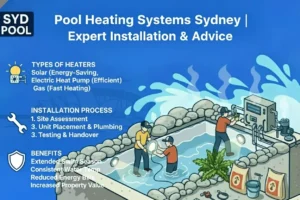
If you’ve ever avoided your pool during Sydney’s cooler months, you’re not alone. While Sydney enjoys mild winters compared to other cities, water temperatures can drop to uncomfortable levels between April and October. Pool heating Sydney solutions have become increasingly popular among homeowners who want to maximize their pool investment and enjoy comfortable swimming temperatures all year round. According to recent industry data, over 13% of new pool owners in Sydney now install heating systems during construction, and that number continues to grow. Whether you’re planning a swimming pool renovation or looking to upgrade your existing pool, understanding your heating options is essential. Why Pool Heating Makes Sense in Sydney Sydney’s climate offers approximately 240 sunny days per year, yet natural water temperatures only reach comfortable swimming levels (25-28°C) for about four months. Without heating, your pool sits unused for two-thirds of the year, representing a significant underutilization of your investment. As Mark Stevens, a Sydney-based pool specialist, notes: “The question isn’t whether you can afford pool heating in Sydney; it’s whether you can afford not to have it. Families who install heating systems report using their pools 8-10 months per year instead of just the summer months.” Beyond extended usage, pool heating provides several benefits: Health and fitness: Maintain your swimming exercise routine year-round Property value: Heated pools are attractive features for potential buyers Family enjoyment: Create more memories without waiting for summer Therapeutic benefits: Warm water is excellent for muscle recovery and relaxation Types of Pool Heating Systems Available in Sydney Choosing the right pool heating system depends on your budget, pool size, usage patterns, and environmental preferences. Here’s a comprehensive comparison of the main options: 1. Heat Pump Pool Heating Heat pumps are currently the most popular choice for Sydney homeowners, and for good reason. These systems extract warmth from the surrounding air and transfer it to your pool water, operating similarly to a reverse-cycle air conditioner. Advantages: Energy-efficient operation with COP ratings up to 15.0 Lower running costs compared to gas heating Environmentally friendly with minimal emissions Consistent heating regardless of cloud cover Relatively quiet operation Considerations: Higher upfront cost ($3,000-$6,000 installed) Performance decreases in temperatures below 10°C Takes longer to heat pools initially (24-48 hours) 2. Solar Pool Heating Solar heating harnesses Sydney’s abundant sunshine to warm your pool naturally. Solar panels (typically installed on your roof) circulate pool water through heated collectors. Advantages: Virtually zero running costs after installation Environmentally sustainable option Can extend swimming season by 3-4 months Low maintenance requirements Government rebates may be available Considerations: Dependent on sunny weather and daylight hours Requires adequate roof space (panels need 50-100% of pool surface area) Initial installation cost ($3,500-$7,000) Less effective during prolonged cloudy periods 3. Gas Pool Heating Natural gas or LPG heaters provide rapid heating, making them ideal for occasional use or quick temperature boosts. Advantages: Heats pools quickly (1.5°C per hour) Works in any weather condition Ideal for spas and smaller pools On-demand heating capability Considerations: Highest ongoing running costs Environmental impact from gas combustion Requires natural gas connection or LPG bottles Initial cost: $2,500-$5,500 installed Sydney Pool Heating Systems: Complete Comparison ⚡ Heat Pump Installation Cost $3,000 – $6,000 Annual Running Cost $400 – $800 Energy Efficiency ★★★★★ COP up to 15.0 Heating Speed ★★★☆☆ 24-48 hours initial heating Weather Dependency Low (works in most conditions) Best For Year-Round Swimming ☀️ Solar Heating Installation Cost $3,500 – $7,000 Annual Running Cost $50 – $150 Energy Efficiency ★★★★★ 100% renewable energy Heating Speed ★★☆☆☆ Gradual (several days) Weather Dependency High (sunshine required) Best For Eco-Conscious Owners 🔥 Gas Heating Installation Cost $2,000 – $5,500 Annual Running Cost $1,200 – $3,000 Energy Efficiency ★★★☆☆ 85-95% efficient Heating Speed ★★★★★ 6-8 hours (1.5°C/hour) Weather Dependency None (all conditions) Best For On-Demand Heating Pool Heating Cost Sydney: What to Expect Understanding the true cost of pool heating involves both installation and ongoing operational expenses. Here’s a detailed breakdown: Heating Type Installation Cost Annual Running Cost* Best For Heat Pump $3,000 – $6,000 $400 – $800 Year-round use Solar $3,500 – $7,000 $50 – $150 Extended season Gas (Natural) $2,500 – $5,000 $1,200 – $2,500 Occasional use Gas (LPG) $2,000 – $4,500 $1,500 – $3,000 Quick heating *Based on standard 40,000L pool, maintaining 26°C, 8 months per year The actual running costs depend on several factors: Pool size and depth Desired temperature settings Use of pool covers Local climate conditions Insulation and wind exposure “Investing in a quality pool cover can reduce heating costs by 50-70%,” explains pool maintenance expert Sarah Chen. “It’s the single most cost-effective upgrade you can make alongside your heating system.” Choosing the Right Pool Heating System Selecting the optimal heating solution requires careful consideration of your specific circumstances: Choose Heat Pumps if: You want year-round swimming capability Energy efficiency is a priority You’re willing to invest more upfront for lower running costs Your pool location has good air circulation Choose Solar Heating if: You have suitable roof space facing north Environmental sustainability is important You’re comfortable with weather-dependent heating You want minimal ongoing costs Choose Gas Heating if: You need rapid heating on demand Your pool is used sporadically (weekends, entertaining) You have natural gas already connected You want guaranteed heating regardless of weather Many Sydney homeowners opt for hybrid systems, combining solar heating with a gas or heat pump booster for optimal efficiency and reliability. Installation Considerations for Sydney Pools Proper installation is crucial for optimal performance and longevity of your heating system. Professional installation ensures: Correct sizing: Heating systems must match your pool volume Optimal placement: Strategic location minimizes heat loss Proper integration: Seamless connection with existing filtration Compliance: Adherence to local regulations and safety standards If you’re planning broader pool improvements, coordinating heating installation with pool resurfacing or pool painting work can save time and money. Maintaining Your Pool Heating System Regular maintenance ensures your heating system operates efficiently for years: Monthly Tasks: Check and clean filter systems Monitor water chemistry balance Inspect for leaks

Read More »
How to Paint Your Swimming Pool Ready for Summer
Blog
Advance Pool Painting

How to Paint Your Swimming Pool Ready for Summer

Summer in Sydney means pool parties, family gatherings, and endless days lounging by the water. But nothing ruins the vibe faster than a faded, peeling pool surface that looks tired and uninviting. If you’re thinking about painting your pool before summer hits, you’re making a smart decision. Repainting your pool not only transforms its appearance but also protects your investment for years to come. This comprehensive guide walks you through everything you need to know about painting your swimming pool properly, so you’re ready when those hot summer days arrive. Should You DIY or Hire Professionals? Making the Right Choice Before rolling up your sleeves, honestly assess whether DIY pool painting makes sense for your situation and timeline. DIY pool painting works well when: Your pool surface is in good condition with minimal cracking You have 2-3 weeks available before summer arrives You’re comfortable with physical labor and working in confined spaces Your pool is relatively small (under 40,000 liters) You have basic handyman skills and attention to detail Consider professional pool painting services when: Your pool has extensive cracks requiring pool crack repair You suspect leaks needing pool leak detection The existing surface is severely damaged or delaminating Summer is approaching quickly and you need guaranteed results Your pool is large or has complex features You want to enjoy summer rather than spend it working on your pool “The biggest mistake DIYers make is underestimating the preparation work,” explains experienced pool repair and maintenance services. “Surface prep accounts for 80% of paint longevity. Skip steps here, and even the best paint fails within two years, ruining your next summer season.” Perfect Timing: Why Spring is Ideal for Pool Painting Wondering when to start your pool painting project? Spring (September to November) offers the perfect window for getting your pool summer-ready. Why spring painting works best: Moderate temperatures (15-25°C) ideal for paint application and curing Lower humidity ensures proper drying Gives you the full 2-3 weeks needed without missing summer Paint has time to fully cure before heavy summer use Avoids extreme heat that causes paint to dry too quickly Starting your project in early to mid-spring means your pool is sparkling and ready by December when Sydney’s summer really kicks in. Essential Tools and Materials You’ll Need Gather everything before starting. Running to the hardware store mid-project wastes precious time and can compromise your results. Tools Required Category Items Needed Safety Equipment Safety goggles, acid-resistant gloves, respirator mask, non-slip boots Cleaning Tools Pressure washer (2500+ PSI), stiff-bristle brushes, acid washing supplies Surface Prep Scraper, wire brush, sandpaper (80-120 grit), putty knife, shop vacuum Painting Equipment Paint rollers (10mm nap), extension poles, 75mm angled brush, paint tray Other Essentials Mixing sticks, drop cloths, masking tape, measuring bucket Materials Needed Paint Selection: This is crucial for Sydney’s harsh summer conditions. Epoxy pool paint delivers best results, lasting 7-10 years with proper application and standing up to intense UV exposure and heavy summer use. Acrylic paint is easier for beginners but typically lasts only 4-6 years. Calculate your pool’s surface area to determine paint quantity (usually 2-3 coats required). Cleaning Chemicals: Degreaser, TSP (trisodium phosphate), muriatic acid for acid washing. Crack Filler: Hydraulic cement or specialized pool putty for repairs. For specific product recommendations and detailed pool resurfacing cost breakdowns, professional pool repair and maintenance services can provide guidance tailored to your pool’s needs. Step-by-Step Pool Painting Process for Summer Success Follow these steps carefully. Rushing any stage significantly reduces your paint’s longevity and could mean repainting before next summer. Step 1: Drain Your Pool Completely (Day 1) Drain your pool following local water discharge regulations. Sydney councils have specific requirements, so check before draining. Important: Never drain your pool during heavy rain or if the water table is high. The pressure from groundwater can actually lift your empty pool out of the ground, causing catastrophic damage. Plan your drainage timing so you’re working in optimal spring weather conditions. Step 2: Clean the Surface Thoroughly (Days 2-3) Once drained, remove all debris, leaves, and dirt. Use a pressure washer to blast away loose material, paying special attention to corners and steps where summer grime accumulates. Mix degreaser according to package directions and scrub the entire surface with stiff brushes. This removes oils, sunscreen residue, and organic matter that prevents paint adhesion. Step 3: Repair All Cracks and Damage (Days 3-4) Inspect every inch of your pool surface. Winter and previous summers may have created damage you haven’t noticed. Mark cracks, chips, and hollow-sounding areas with chalk. Small hairline cracks (under 3mm): Clean thoroughly and fill with pool putty or hydraulic cement. Smooth flush with the surface. Larger cracks or structural concerns: Stop and consult professional pool crack repair services. Painting over significant structural damage wastes time and money, and you’ll face bigger problems mid-summer. Pro tip: Tap the pool surface with a rubber mallet while listening for hollow sounds. These indicate delamination that paint won’t fix. Step 4: Acid Wash the Surface (Day 5) This critical step creates the surface profile necessary for paint adhesion. Acid washing etches the pool surface, providing texture for paint to grip through intense summer use. Safety First: Acid washing is dangerous. Wear full protective equipment including respirator, goggles, acid-resistant gloves, and boots. Work in well-ventilated conditions. Mix muriatic acid with water (always add acid to water, never water to acid) following product instructions. Typical ratio is 1 part acid to 3 parts water, but check your specific product. Apply acid solution systematically, working in small sections. Scrub with acid brush, then immediately neutralize and rinse thoroughly with fresh water. The surface should look slightly rough and clean when finished. Step 5: Rinse and Neutralize (Day 5) After acid washing, rinse the pool multiple times with fresh water. Use a pH testing kit to ensure all acid is neutralized. Any remaining acid will react with your paint, causing failure during the summer heat. Step 6: Allow Complete Drying (Days 6-10) This is where patience pays off.

Read More »
How often does a pool need to be resurfaced
Blog
Advance Pool Painting

How Often Does a Pool Need to be Resurfaced? Your Complete Sydney Guide

If you’re a pool owner in Sydney, you’ve probably wondered: how often does my pool actually need resurfacing? It’s one of those questions that doesn’t have a simple one-size-fits-all answer, but understanding the factors involved helps you plan and budget effectively. The honest truth? Your pool might need resurfacing anywhere from every 5 years to every 25 years, depending on what type of surface you have and how well you maintain it. Let me break down exactly what you need to know. Quick Answer: Pool Resurfacing Frequency by Surface Type Here’s the straightforward answer most Sydney pool owners are looking for: Pool Surface Type Average Resurfacing Frequency Lifespan Range Paint (Epoxy) 7-10 years 5-12 years Paint (Acrylic) 5-7 years 3-9 years Paint (Chlorinated Rubber) 2-4 years 2-5 years Standard Plaster 10-15 years 7-20 years Quartz Plaster 12-18 years 10-20 years Pebblecrete 15-20 years 12-25 years Aggregate Finishes 12-18 years 10-20 years Fibreglass 15-25 years 15-30+ years Tiles 20-25 years 15-30+ years “The biggest mistake pool owners make is waiting until their surface is completely failing before considering resurfacing,” explains experienced pool repair and maintenance services. “Catching problems early and scheduling preventive resurfacing actually costs less long-term than emergency repairs after major damage occurs.” Understanding Why Pools Need Resurfacing Before diving into specific timeframes, let’s talk about why resurfacing becomes necessary in the first place. Your pool surface battles constant challenges: chemicals, UV radiation, temperature fluctuations, physical wear from cleaning, and Sydney’s harsh climate conditions. Over time, these factors break down even the most durable surfaces. Signs Your Pool Needs Resurfacing Soon Watch for these warning signals that indicate your pool’s surface is approaching the end of its life: Surface Roughness: Run your hand along the pool wall. If it feels rough or scratchy, the surface is deteriorating. This happens when the top protective layer wears away, exposing the aggregate underneath. Staining That Won’t Clean: Persistent stains that survive thorough cleaning often indicate the surface has become porous and is absorbing materials rather than repelling them. Visible Cracks: Small hairline cracks might not seem urgent, but they allow water to seep behind the surface, causing bigger problems. Professional pool crack repair in Sydney can sometimes extend your surface’s life if caught early. Chalking or Fading: For painted pools, significant chalking (that powdery residue on your hands) or dramatic fading signals the protective coating is breaking down. Frequent Leaks: If you’re constantly topping up water and suspect leaks, pool leak detection services can identify whether surface deterioration is the culprit. Painted Pools: Most Frequent Resurfacing Needs If you have a painted pool, you’ll need to think about resurfacing more frequently than other surface types. But that doesn’t make painting a bad choice, it just requires different planning. Epoxy Paint: The Long-Lasting Option Quality epoxy paint represents the gold standard for pool painting. In Sydney conditions with proper maintenance, epoxy typically delivers 7 to 10 years of service. “We consistently see well-maintained epoxy-painted pools in Northern Sydney and Eastern Sydney reaching that 10-year mark,” notes professional pool painting services. “The key is balanced water chemistry and addressing small issues promptly.” Acrylic and Chlorinated Rubber: Budget Options Acrylic paint offers a middle ground, lasting 5 to 7 years, while chlorinated rubber provides the shortest lifespan at just 2 to 4 years. These options cost less upfront but require more frequent reapplication. For detailed cost comparisons, explore comprehensive guides on pool resurfacing cost factors. Plaster Pools: The Traditional Choice Standard white plaster remains popular despite requiring resurfacing every 10 to 15 years. The actual timeline varies dramatically based on several factors: Water Chemistry: This is the number one factor affecting plaster longevity. Unbalanced pH levels, particularly acidic conditions, eat away at plaster surprisingly quickly. Pools with consistently balanced chemistry can reach 20 years, while those with chemical imbalances might need resurfacing in just 7 years. Usage Intensity: A heavily used family pool experiences more wear than one used occasionally. High traffic accelerates surface deterioration. Climate Exposure: Sydney’s intense UV radiation affects different suburbs differently. Pools in Western Sydney with full sun exposure typically need resurfacing sooner than shaded pools in Northern Sydney. Enhanced Plaster Options Quartz plaster, which includes quartz crystals mixed into the plaster, lasts longer than standard plaster (12 to 18 years) and provides a more durable, smoother finish. The additional cost usually pays off through extended life and reduced maintenance. Premium Surfaces: Longer Intervals Between Resurfacing If you’re tired of frequent resurfacing, premium options offer significantly longer lifespans. Pebblecrete: The Durable Natural Look Pebblecrete resurfacing typically lasts 15 to 20 years and sometimes beyond. The exposed pebble aggregate creates an incredibly durable surface that withstands wear better than plaster or paint. Pebblecrete pools in areas like Castle Hill, Baulkham Hills, and throughout The Hills district consistently demonstrate this longevity. Fibreglass: Maximum Longevity Fibreglass pool resurfacing offers the longest lifespan of any resurfacing option, typically 15 to 25 years and sometimes reaching 30 years with proper care. “Fibreglass eliminates many of the chemical balance concerns that plague plaster pools,” explains pool repair and maintenance services. “The surface is non-porous, so it doesn’t absorb chemicals or develop algae issues as readily.” Tile: The Premium Choice While less common due to cost, fully tiled pools can last 20 to 25 years or more. Most pool owners use tiles strategically, like waterline pool tiles that combine durability with aesthetic appeal. Factors That Affect Resurfacing Frequency Beyond surface type, several variables dramatically impact how often your pool needs resurfacing: Water Chemistry Management I can’t emphasize this enough: proper water chemistry is the single biggest factor determining your surface’s lifespan. Test weekly and maintain proper pH (7.2-7.6), alkalinity (80-120 ppm), and appropriate sanitizer levels. Professional pool resurfacing maintenance in Sydney services can help establish a maintenance schedule that protects your investment. Regular Cleaning Practices How you clean matters. Abrasive brushes damage surfaces over time. Use appropriate tools for your surface type and avoid harsh cleaning chemicals that accelerate deterioration. Climate and Location Sydney’s diverse microclimates affect pool

Read More »
Finding the Best Pool Painting Company in Sydney
Blog
Advance Pool Painting

Finding the Best Pool Painting Company in Sydney: Your Complete Selection Guide

Choosing the best pool painting company in Sydney isn’t as simple as picking the first search result or going with the cheapest quote. Your pool represents a significant investment in your property, and the quality of your painting contractor directly impacts how long that fresh look lasts. After talking with countless Sydney pool owners, I’ve learned that most people regret rushing this decision. The difference between a mediocre pool painter and an exceptional one can mean the difference between 3 years and 10 years before you need to repaint again. Let me walk you through exactly what separates Sydney’s best pool painting companies from the rest, and give you a practical framework for making your choice confidently. What Actually Makes a Pool Painting Company “The Best”? Here’s the thing: “best” means different things to different people. But when it comes to pool painting companies in Sydney, certain qualities consistently separate exceptional contractors from average ones. Technical Expertise That Goes Beyond Paint Application The best pool painting companies in Sydney understand that painting is just the final step in a complex process. What really matters is everything that happens before the paint touches your pool surface. “We see failed paint jobs every week from companies that skipped proper surface preparation,” explains experienced pool repair and maintenance services. “The actual painting takes maybe 10% of the project time. The other 90% is preparation, and that’s where quality companies prove their worth.” Top-tier pool painting services include comprehensive surface assessment, thorough cleaning, proper crack repair, acid washing, and ensuring optimal conditions before applying a single coat of paint. Comprehensive Service Offerings The best pool painting companies don’t just paint. They offer complete pool resurfacing maintenance in Sydney that addresses your pool’s actual needs, not just its cosmetic appearance. Look for companies offering: Professional pool inspections to identify underlying issues Pool crack repair before painting Pool leak detection services Pool blasting for proper surface preparation Pool tiling and waterline tile work Complete swimming pool renovations when needed This comprehensive approach ensures they recommend the right solution for your specific situation, even if it means less immediate revenue for them. Key Criteria for Evaluating Pool Painting Companies Use this framework to assess any pool painting company you’re considering: Evaluation Factor What to Look For Red Flags to Avoid Experience 5+ years specifically in Sydney New to area or vague about experience Insurance & Licensing Full public liability insurance, proper licenses Reluctant to provide documentation Surface Preparation Detailed prep process explained Rushes through or minimizes prep importance Paint Quality Premium brands, appropriate for Sydney climate Uses cheapest available options Warranties Written warranty on workmanship Verbal promises only or no warranty References Recent local projects with contactable clients No references or only old testimonials Communication Clear, responsive, professional Slow responses, vague answers Pricing Detailed written quotes Verbal quotes or significant hidden costs Local Experience Matters Significantly Sydney’s climate presents unique challenges for pool painting. The best companies have extensive experience specifically in Sydney conditions and understand how different suburbs’ microclimates affect pool surfaces. A company that excels in Northern Sydney understands coastal salt air challenges. One specializing in Western Sydney knows how intense heat affects paint curing. Companies serving The Hills, Eastern Sydney, or Southern Sydney bring location-specific expertise. Generic pool painting experience from other regions doesn’t translate perfectly to Sydney conditions. Local expertise matters. Questions to Ask Potential Pool Painting Companies Don’t just accept marketing claims. Ask specific questions that reveal a company’s true capabilities: About Their Process “Walk me through your complete surface preparation process.” The best companies will enthusiastically detail every step, from initial cleaning through final quality checks. Vague or rushed answers suggest they cut corners. “What specific paint brands do you use and why?” Top companies use premium paints suited to Sydney’s climate and can explain their choices technically. If they can’t name brands or say “whatever’s available,” that’s concerning. “How do you handle weather delays?” Sydney’s unpredictable weather affects painting schedules. Quality companies build buffer time and won’t rush work because of weather setbacks. About Their Experience “How many pools have you painted in my specific area?” Local experience matters. They should have completed numerous projects near you and understand local building requirements. “Can I see before-and-after photos from recent projects?” Quality companies proudly showcase their work. Ask specifically for projects completed in the last 12 months, not just their best work from years ago. “Can you provide three recent client references I can contact?” Notice if they hesitate or provide only old references. The best companies have happy recent clients willing to share their experiences. Understanding Pool Painting Costs in Sydney Price matters, but it shouldn’t be your only criterion. The cheapest quote often becomes the most expensive in the long run when you’re repainting again in 3 years. Quality pool painting companies provide detailed quotes breaking down: Surface preparation costs Materials and paint specifications Labor and timeframes Additional services needed (crack repair, acid washing, etc.) Warranty terms For comprehensive pricing information, explore guides on pool resurfacing cost that explain all cost factors clearly. “We’re rarely the cheapest quote,” admits professional pool repair and maintenance services, “but our clients don’t need to repaint for 8 to 10 years, while cheaper competitors often see failures in 3 to 4 years. The math favors quality.” Red Flags That Should Make You Walk Away Some warning signs indicate you should keep looking: Pressure Tactics Quality companies don’t need high-pressure sales tactics. If someone’s pushing you to sign immediately with “today only” discounts, that’s a red flag. The best pool painting companies in Sydney are typically booked weeks ahead and don’t need desperate sales tactics. Cash-Only Requests Legitimate companies accept multiple payment methods and provide proper invoicing. Cash-only requests often signal someone trying to avoid taxes or accountability. No Physical Address or Office The best companies have established physical locations, not just mobile numbers. You should be able to visit their office or yard if needed. Unwillingness to Provide Written Warranties Verbal promises

Read More »
Can You Paint Over Faded Pool Plaster
Blog
Advance Pool Painting

Can You Paint Over Faded Pool Plaster? What Sydney Pool Owners Need to Know

Staring at your faded, discolored pool plaster and wondering if you can just paint over it? You’re asking the same question thousands of Sydney pool owners ask every year. The short answer is: yes, you can paint over pool plaster, but whether you should depends entirely on your plaster’s condition. Let me break down everything you need to know about painting over faded pool plaster, when it makes sense, and when you’re better off considering other options. Understanding Why Pool Plaster Fades Before we dive into painting solutions, let’s talk about why your plaster looks tired and faded in the first place. Pool plaster naturally deteriorates over time. Sydney’s intense UV exposure, chemical treatments, and constant water contact all take their toll. After 5 to 10 years, most pool plaster shows visible signs of aging: fading color, rough texture, staining, and sometimes chalking or etching. “The biggest mistake pool owners make is thinking faded plaster is purely cosmetic,” explains experienced pool repair and maintenance services. “Often, that fading signals deeper surface degradation that paint alone won’t fix properly.” When Painting Over Pool Plaster Makes Sense Painting over your faded pool plaster can be an excellent solution in specific circumstances. Here’s when it typically works well: Your Plaster is Structurally Sound If your plaster surface remains smooth and intact with no significant cracks, hollow spots, or delamination, painting can effectively restore its appearance. The key word here is “structurally sound.” Run your hand along the pool surface. It should feel relatively smooth without rough patches, and you shouldn’t see extensive cracking beyond minor hairline cracks. If the plaster passes this test, pool painting could give you 5 to 10 more years of beautiful pool enjoyment. You Want a Cost-Effective Solution Complete plaster replacement costs significantly more than painting. If your budget is tight and your plaster’s underlying structure is good, painting offers excellent value. Check out detailed breakdowns at pool resurfacing cost to compare your options financially. Surface Issues are Primarily Cosmetic Fading, light staining, and minor discoloration respond beautifully to paint. If these are your main concerns rather than structural problems, painting delivers great results. When You Shouldn’t Paint Over Plaster Equally important is recognizing when painting won’t solve your problems and might even make them worse. Plaster Condition Paint Over It? Better Alternative Smooth but faded Yes Epoxy or acrylic paint Minor hairline cracks Yes, with repair first Crack repair then paint Extensive cracking No Complete replastering Rough, etched surface Maybe Acid wash then paint or replaster Hollow-sounding areas No Replaster or alternative resurfacing Delaminating plaster No Complete replaster Severe calcium buildup No Acid wash, blast, then paint or replaster Structural Damage Exists If your plaster has extensive cracks, hollow areas, or sections that have delaminated from the underlying concrete, painting is just putting lipstick on a pig. You need proper pool crack repair or complete replastering. Hidden leaks often accompany deteriorating plaster. Before committing to painting, consider pool leak detection services to rule out underlying issues. The Surface is Too Rough or Etched Severely etched or rough plaster won’t hold paint well. The uneven surface prevents proper adhesion, and you’ll see premature peeling and failure. In these cases, pool blasting to remove the damaged layer or complete replastering makes more sense. You’ve Already Painted Multiple Times If your pool has been painted over plaster 2 or 3 times already, adding another layer rarely works well. The built-up paint layers can start peeling, and you’re better off stripping everything back and starting fresh. The Right Way to Paint Over Faded Pool Plaster If you’ve determined painting is appropriate for your situation, doing it correctly makes all the difference between a 2-year band-aid and a 10-year solution. Step 1: Thorough Assessment Professional pool inspections identify issues you might miss. Sydney’s professional pool repair and maintenance services use specialized equipment to test for hollow areas, hidden cracks, and surface integrity. Step 2: Proper Surface Preparation This is where most DIY jobs fail. Your plaster needs: Complete Cleaning: Remove all algae, dirt, oils, and contaminants. This typically requires pressure washing and specialized cleaners. Acid Washing: An acid wash etches the plaster surface, creating better adhesion for paint. This step is non-negotiable for long-lasting results. Crack Repair: Even small cracks need proper filling before painting. Skipping this leads to those same cracks showing through your new paint within months. Complete Drying: The plaster must be bone dry before painting. Sydney’s humidity can extend drying times significantly. Step 3: Choose the Right Paint Not all pool paints work equally well over plaster. For Sydney conditions, here’s what professionals recommend: Epoxy Paint: The gold standard for painting over plaster. It bonds exceptionally well, resists chemicals, and handles Sydney’s harsh climate. Expect 7 to 10 years of life with proper maintenance. Acrylic Paint: A decent alternative that’s easier to apply. It works well on plaster but typically lasts 5 to 7 years in Sydney conditions. Avoid Chlorinated Rubber: While it’s the cheapest option, it doesn’t bond as well to plaster as epoxy or acrylic, and you’ll be repainting within 3 years. Step 4: Professional Application Temperature, humidity, and application technique all affect results. Professional pool painting services time their work around weather conditions and apply multiple thin coats rather than thick single coats. “We’ve seen beautiful DIY paint jobs fail within a year because the surface prep wasn’t thorough enough,” notes experienced pool repair and maintenance services. “It’s one area where professional expertise genuinely pays for itself.” Maintaining Your Painted Plaster Pool Once you’ve painted over your faded plaster, proper maintenance extends your investment significantly. Balance Your Water Chemistry This cannot be overstated. Proper pH levels (7.2-7.6), appropriate alkalinity, and correct chlorine levels prevent premature paint deterioration. Poor water chemistry can reduce your paint’s life by 30% or more. Professional pool resurfacing maintenance in Sydney includes regular water testing and adjustments to protect your painted surface. Use Appropriate Cleaning Methods Avoid abrasive brushes or harsh chemicals that damage paint. Soft brushes and pool-safe cleaners keep

Read More »
Pool Painters in Sydney
Blog
Advance Pool Painting

Pool Painters in Sydney: Your Complete Guide to Expert Pool Resurfacing

Looking for reliable pool painters in Sydney? You’re not alone. Every year, thousands of Sydney pool owners search for professional painters who can transform their tired, faded pools into stunning backyard centrepieces. But finding the right team isn’t as simple as picking the first name that pops up on Google. Let me walk you through everything you need to know about hiring pool painters in Sydney, what to expect from professional pool resurfacing maintenance in Sydney, and how to ensure you get quality work that lasts. Why Sydney Pool Owners Choose Professional Pool Painters Sydney’s harsh climate takes a serious toll on pool surfaces. Between intense UV radiation, temperature swings, and our love for year-round swimming, your pool’s surface battles constant stress. “The difference between a DIY paint job and professional pool painting is typically 3 to 5 years of additional longevity,” explains experienced pool repair and maintenance services. “It’s not just about applying paint; it’s about proper preparation, choosing the right materials for Sydney’s climate, and applying them under optimal conditions.” What Sets Professional Pool Painters Apart? Professional pool painters in Sydney bring more than just paint and brushes. Here’s what you’re actually paying for: Surface Preparation Expertise: This is where most DIY jobs fail. Professional painters know how to properly clean, acid wash, repair cracks, and prepare surfaces for maximum paint adhesion. Climate-Appropriate Material Selection: Sydney’s weather demands specific paint types. Professionals understand which products perform best in our conditions. Proper Application Techniques: Temperature, humidity, and application method all affect the final result. Experienced painters time their work around weather conditions and apply paint in optimal layers. Equipment and Safety: Professional pool painting services use commercial-grade equipment and follow strict safety protocols, something DIYers often overlook. Services Offered by Sydney Pool Painters When you hire professional pool painters in Sydney, you’re typically getting much more than a simple paint job. Here’s what comprehensive services include: Service What It Includes Why It Matters Surface Assessment Detailed inspection of existing surface condition Identifies underlying issues before painting Crack Repair Professional filling and sealing of cracks Prevents water seepage and structural damage Acid Washing Chemical cleaning of pool surface Ensures proper paint adhesion Waterblasting High-pressure cleaning and paint removal Removes old, failing paint completely Prime Coating Application of specialized primer Improves paint bonding and longevity Multiple Paint Coats 2-3 professional-grade paint applications Ensures durability and even coverage Quality Inspection Final checks and touch-ups Guarantees professional finish Many Sydney pool owners discover they need additional services once professionals inspect their pools. Pool crack repair often becomes necessary before painting, and some pools require pool leak detection to address hidden issues that paint alone won’t fix. Choosing the Right Pool Painters in Sydney Not all pool painters are created equal. Here’s how to separate the professionals from the pretenders: Check Their Experience with Sydney Pools Sydney pools face unique challenges compared to pools in other climates. Your painter should have extensive local experience and understand how different suburbs’ microclimates affect pool surfaces. Whether you’re in Northern Sydney, Western Sydney, Eastern Sydney, Southern Sydney, or The Hills, your local conditions matter. Look for Comprehensive Services The best pool painters in Sydney offer complete pool resurfacing maintenance in Sydney, not just painting. This includes: Pool blasting for thorough surface preparation Pool tiling for waterline repairs Pool coping restoration Waterline pool tiles replacement Verify Insurance and Licensing Professional pool painters in Sydney should carry full insurance and appropriate licenses. Don’t be shy about asking for proof. It protects both you and them. Read Reviews and See Previous Work Check Google reviews, ask for references, and look at before-and-after photos. Quality pool painters proudly showcase their work.   Understanding Pool Paint Options for Sydney’s Climate Your pool painter should discuss paint options with you. Here’s what works best in Sydney: Epoxy Paint: The gold standard for Sydney pools. It handles our climate beautifully, resists chemicals, and typically lasts 7 to 10 years. “For Sydney’s harsh conditions, we almost always recommend premium epoxy,” note professional pool repair and maintenance services. Acrylic Paint: A decent middle-ground option that’s easier to apply and more affordable. Expect 4 to 7 years of life in Sydney conditions. Chlorinated Rubber: The budget option, lasting 2 to 4 years. Only suitable if you’re planning a temporary solution before more extensive swimming pool renovations. The Pool Painting Process: What to Expect Understanding the process helps you evaluate whether your pool painters are doing the job properly. Week 1: Preparation Phase Your pool will be drained, cleaned, and assessed. This is when pool inspections reveal any hidden issues. Cracks get repaired, old paint is removed, and surfaces are acid washed. Week 2: Painting Phase Once surfaces are properly prepared and dried, painting begins. Professional painters apply multiple thin coats rather than one thick coat, allowing proper drying time between applications. Week 3: Curing and Filling After the final coat, the paint needs time to cure properly. Rushing this step by filling too early is a common mistake that significantly reduces paint longevity. Professional pool painters in Sydney know the exact curing times for different paint types and current weather conditions. Cost Considerations for Pool Painting in Sydney Sydney pool painting costs vary based on pool size, condition, and paint type. While I won’t quote specific prices (they fluctuate with materials and competition), here’s what affects your final quote: Pool size and depth Current surface condition Extent of repairs needed Paint type selected Access and location Time of year (peak vs. off-season) For detailed pricing information, check out comprehensive guides on pool resurfacing cost that break down all the factors. Beyond Paint: Alternative Resurfacing Options Sometimes paint isn’t the best solution. Professional pool painters in Sydney should discuss alternatives when appropriate: Pebblecrete resurfacing for a natural, durable finish Fibreglass pool resurfacing for ultimate durability Complete swimming pool renovations for pools needing extensive work Honest pool painters will recommend the most cost-effective long-term solution, even if it means less immediate revenue for them. Staying on Trend: Modern

Read More »

0

Get Exclusive Discounts and More!

Join Our Newsletter

Sign up for our newsletter to stay updated on our latest pool cleaning and maintenance services. As a subscriber, you’ll receive exclusive discounts, special offers. Enter your email below to join our community!